Feeling tired, foggy, or just not like yourself? Vitamin B12 plays a powerful role in your energy, brain health, and red blood cell production—here’s why your body truly needs it.
Vitamin B12 is one of those nutrients you rarely think about—until your body starts asking for it. If you’ve been struggling with low energy, mood changes, or unexplained weakness, your body may be signaling a deeper need. Understanding why your body needs vitamin B12 can transform the way you approach your health.
In this complete guide, you’ll discover the 8 key benefits of vitamin B12, how it works in your body, and practical steps you can take to maintain optimal levels. Let’s unlock the science behind this essential nutrient and help you feel your best again.
What Is Vitamin B12 and Why Does Your Body Need It?
Before diving into the benefits, let’s build a strong foundation.
Vitamin B12, also known as cobalamin, is a water-soluble vitamin essential for several critical biological processes. Unlike some nutrients, your body cannot produce vitamin B12 on its own. You must obtain it through food or supplements.
The Role of Vitamin B12 in the Body
Vitamin B12 supports:
- DNA synthesis
- Red blood cell formation
- Nervous system function
- Energy metabolism
Without adequate B12, these systems begin to weaken. Over time, deficiency can lead to anemia, neurological issues, and long-term health complications.
Who Is at Risk of Vitamin B12 Deficiency?
Certain groups are more vulnerable:
- Vegetarians and vegans
- Adults over 50
- People with digestive disorders (like IBS or Crohn’s)
- Individuals taking acid-reducing medications
If you fall into one of these categories, paying attention to vitamin B12 intake becomes even more important.
How Does Vitamin B12 Boost Your Energy Levels?
If you’ve ever wondered why vitamin B12 is often linked to energy, here’s the science.
Vitamin B12 helps convert the food you eat—especially carbohydrates—into usable energy. It supports the production of red blood cells, which carry oxygen throughout your body. More oxygen means better cellular performance.
1. Prevents Fatigue and Weakness
Low vitamin B12 levels can reduce red blood cell production, leading to megaloblastic anemia. This condition causes:
- Extreme fatigue
- Shortness of breath
- Dizziness
- Pale skin
Restoring healthy B12 levels often leads to noticeable improvements in energy and stamina.
2. Supports Healthy Metabolism
Vitamin B12 plays a direct role in metabolic processes. It helps your body break down fats and proteins efficiently. When your metabolism functions smoothly, you feel more energized and mentally alert.
If you’ve been reading about topics like natural energy boosters or morning habits for productivity, vitamin B12 is a foundational piece of that puzzle.
Why Is Vitamin B12 Essential for Brain and Nerve Health?
Your brain and nervous system depend heavily on vitamin B12.
3. Protects the Nervous System
Vitamin B12 helps maintain the myelin sheath—a protective layer that surrounds your nerves. Without it, nerve signals slow down or become disrupted.
Symptoms of deficiency may include:
- Tingling in hands and feet
- Numbness
- Memory issues
- Difficulty concentrating
Maintaining adequate B12 levels protects cognitive clarity and nerve function.
4. Supports Mental Health and Mood Stability
Research suggests that low vitamin B12 levels are linked to mood disorders, including depression. B12 is involved in the production of serotonin and dopamine—neurotransmitters responsible for mood regulation.
If you’re exploring topics like foods that naturally boost serotonin or ways to improve mental clarity, vitamin B12 deserves attention.
How Does Vitamin B12 Support Heart Health?
Heart health is another key reason your body needs vitamin B12.
5. Reduces Homocysteine Levels
Homocysteine is an amino acid in the blood. Elevated levels are associated with increased risk of cardiovascular disease.
Vitamin B12 works alongside folate and vitamin B6 to regulate homocysteine levels. Balanced levels may help protect against:
- Heart disease
- Stroke
- Blood vessel damage
This makes vitamin B12 an important nutrient for long-term cardiovascular protection.
What Role Does Vitamin B12 Play in Red Blood Cell Formation?
One of the most critical functions of vitamin B12 is supporting red blood cell production.
6. Prevents Megaloblastic Anemia
When your body lacks vitamin B12, red blood cells become large and misshapen. These abnormal cells cannot transport oxygen effectively.
Healthy red blood cells mean:
- Better oxygen delivery
- Improved endurance
- Stronger immune function
If you’ve ever experienced persistent tiredness despite adequate sleep, it may be worth evaluating your B12 status.
Can Vitamin B12 Improve Hair, Skin, and Nail Health?
While often overlooked, vitamin B12 contributes to cellular reproduction, which directly impacts appearance.
7. Supports Healthy Cell Production
Vitamin B12 helps generate new cells. This process supports:
- Stronger hair growth
- Healthier skin tone
- Reduced brittleness in nails
Though B12 alone isn’t a miracle solution, deficiency can lead to hair thinning and skin changes.
If you’re interested in topics like vitamins for hair growth or nutrients for glowing skin, B12 should be part of the conversation.
How Does Vitamin B12 Support Pregnancy and DNA Health?
Vitamin B12 plays a fundamental role in genetic stability and fetal development.
8. Essential for DNA Synthesis and Fetal Development
B12 is required for DNA production and cell division. During pregnancy, this becomes especially important.
Adequate vitamin B12 levels help:
- Support healthy fetal brain development
- Reduce risk of neural tube defects
- Promote proper growth
For women planning pregnancy or currently expecting, monitoring B12 intake is crucial.
How Can You Increase Your Vitamin B12 Levels Safely?
Now that you understand why your body needs vitamin B12, let’s talk about practical action.
Food Sources Rich in Vitamin B12
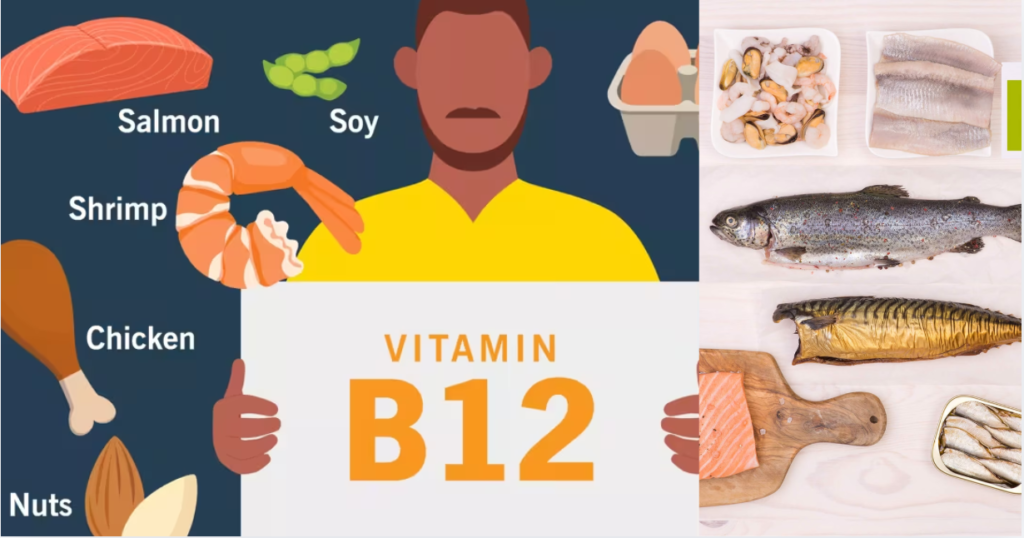
Vitamin B12 is naturally found in animal-based foods:
- Beef and liver
- Fish (salmon, tuna, sardines)
- Eggs
- Dairy products
- Fortified cereals
If you follow a plant-based diet, look for fortified foods or consider supplementation.
Should You Take Vitamin B12 Supplements?
Supplements come in several forms:
- Oral tablets
- Sublingual (under-the-tongue) drops
- Injections (for severe deficiency)
Your healthcare provider can test your levels with a simple blood test and recommend the right dosage.
Daily recommended intake for adults is approximately 2.4 micrograms, but needs may vary depending on age, pregnancy, and medical conditions.
Common Signs You May Be Low in Vitamin B12
For featured snippet optimization, here’s a direct answer:
Common symptoms of vitamin B12 deficiency include fatigue, weakness, tingling in hands and feet, memory problems, pale skin, shortness of breath, and mood changes.
If you notice multiple symptoms, it’s wise to seek professional evaluation.
Maximizing the Benefits of Vitamin B12 Long-Term
To truly unlock the benefits of vitamin B12:
- Eat a balanced, nutrient-dense diet
- Address digestive health issues
- Monitor levels if you’re in a high-risk group
- Pair B12 with folate and B6 for optimal synergy
You can also explore related topics such as:
- Gut health and nutrient absorption
- Iron deficiency vs. B12 deficiency
- Best time to take supplements
- Foods that naturally increase energy
By taking consistent, informed steps, you protect your energy, brain, heart, and overall vitality.
Conclusion: Unlock the Power of Vitamin B12
Understanding why your body needs vitamin B12 empowers you to take control of your health. From boosting energy and protecting your brain to supporting heart health and DNA synthesis, the 8 key benefits of vitamin B12 are both powerful and essential.
You don’t need drastic changes—just informed, steady action. Evaluate your diet. Pay attention to symptoms. Get tested if necessary. Small adjustments today can lead to stronger energy, sharper focus, and long-term wellness.
Your body depends on vitamin B12. Now you know why—and you’re ready to act.
Important Disclaimer: This article is for informational purposes only and should not replace professional advice. For health-related topics, consult healthcare providers. Individual results may vary, and personal circumstances should always be considered when implementing any suggestions.