
Discover the best winter skin care tips for dry & glowing skin. Learn how to hydrate, protect, and restore your natural radiance during the coldest months! Does the drop in temperature leave your face feeling tight, itchy, or dull? You are not alone. When the air turns crisp and the heater kicks on, your skin’s natural moisture barrier faces a constant battle. But here is the good news: you don’t have to settle for a lackluster complexion until spring.
By following the right winter skin care tips for dry & glowing skin, you can transform your daily routine into a nourishing ritual that unlocks a vibrant, healthy look. This guide will walk you through sustainable lifestyle changes and product swaps that actually work. Whether you are dealing with flaky patches or just want to maintain that summer dewiness, you are in the right place. Get ready to feel empowered and discover how to achieve your best skin yet, even in the dead of winter!
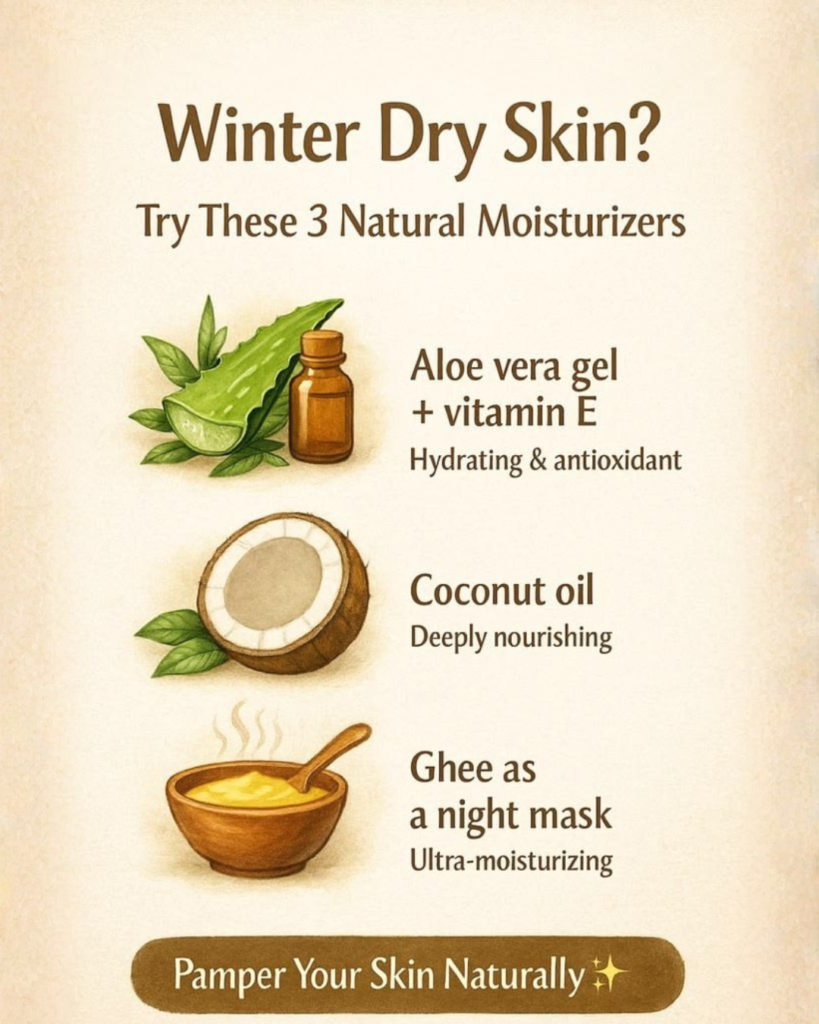
Foundation: Understanding Your Skin’s Winter Needs
To truly master winter skin care tips for dry & glowing skin, we first need to understand the science of what’s happening. In winter, humidity levels plummet. The cold outdoor air and the dry indoor heat act like a vacuum, pulling moisture right out of your skin. This process is known as transepidermal water loss (TEWL).
If you are a beginner to skincare, don’t feel overwhelmed. You don’t need a 12-step routine to see results. The goal is to move away from “stripping” the skin and toward “supporting” it. Many people hesitate to change their routine because they fear heavy products will cause breakouts. However, the modern world of skincare offers lightweight, non-comedogenic options that provide deep hydration without the grease.
Why Your Summer Routine Isn’t Enough
During the summer, your skin likely produced more sebum (oil), and the air was naturally moist. Your lightweight gel moisturizer was probably perfect. But in winter, that same moisturizer might leave you feeling thirsty. Switching to a cream-based formula or adding a face oil is a foundational step in any winter skin care strategy.
Identifying Your Skin Type in Cold Weather
Even if you usually have oily skin, winter can turn you “combination.” Look for these signs:
- Dryness: Rough texture, visible flakes, and itching.
- Dehydration: A lack of water (rather than oil) that makes skin look dull and emphasizes fine lines.
- Sensitivity: Redness or stinging when you apply products you usually love.
Step-by-Step: The Core Winter Routine
Building a resilient moisture barrier is an achievable process. Use these actionable steps to refresh your morning and evening habits.
1. Swap Your Cleanser
Step away from the foaming, “squeaky clean” cleansers. These often contain sulfates that dissolve the very lipids your skin needs to stay hydrated. Instead, opt for a creamy, non-lathering cleanser or a cleansing balm. These gently remove dirt while leaving a thin, protective layer of moisture behind.
2. The Golden Rule: Apply to Damp Skin
One of the most effective winter skin care tips for dry & glowing skin is also the simplest. Never dry your face completely after washing. While your skin is still damp, apply your serums and moisturizers. This traps that extra water into the top layers of your skin, significantly boosting hydration levels.
3. Layer Like a Pro
Think of your skincare like winter clothing. You start with a base layer (humectants like Hyaluronic Acid), add an insulating layer (moisturizer), and finish with a coat (facial oil or occlusive balm).
- Humectants: Pull water into the skin.
- Emollients: Smooth the skin surface.
- Occlusives: Seal everything in so moisture cannot escape.
Advanced Strategies: Expert Tips for Maximum Glow
Once you have the basics down, you can take your routine to the next level with these pro insights. These strategies focus on long-term health and that “lit-from-within” radiance.
How do I exfoliate without drying out my skin?
This is a common question! Many people stop exfoliating in winter because they fear irritation. However, dead skin cells can pile up, preventing your expensive moisturizers from actually reaching your skin. The secret is to swap physical scrubs for gentle chemical exfoliants like Lactic Acid. Lactic acid is a large-molecule Alpha Hydroxy Acid (AHA) that gently dissolves dead skin while also acting as a humectant to keep moisture in. Use it just once or twice a week to keep your glow alive.
Use Vitamin C for Brightness
Winter skin often looks “gray” due to a lack of circulation and sun exposure. Vitamin C is a powerhouse antioxidant that brightens dark spots and helps defend against environmental pollutants. Apply it in the morning under your SPF to unlock a more even skin tone.
Don’t Forget the Sunscreen
It might be cloudy and 20 degrees, but UVA rays are still present. These rays are responsible for premature aging and can further damage a dry skin barrier. Wearing a moisturizing, mineral-based SPF daily is a non-negotiable part of any winter skin care tips for dry & glowing skin guide.
Troubleshooting: Solving Common Winter Obstacles
Even with a great routine, setbacks happen. Here is how to handle the most frequent winter skin challenges with confidence.
“My skin is so dry it actually hurts or stings.” When your barrier is “compromised,” even plain water can sting. Your first step should be to “strip back to basics.” Stop all active ingredients like Retinol or exfoliating acids. Focus purely on barrier-repair creams containing Ceramides. Ceramides are the “glue” that holds your skin cells together. Once the stinging stops, you can slowly reintroduce other products.
“I’m breaking out, but my skin still feels dry.” This is often “dehydration-induced acne.” When your skin lacks water, it overcompensates by producing more oil, which can clog pores. The solution isn’t to dry out the pimples with harsh spot treatments. Instead, double down on hydration. Adding a humidifier to your bedroom can work wonders for this specific issue.
“My lips and hands are constantly cracking.” The skin on your hands and lips is thinner and has fewer oil glands. Use an ointment-based balm (look for lanolin or petrolatum) and apply it multiple times a day. For hands, apply a thick layer of cream before bed and wear cotton gloves to sleep—you will wake up with transformed, soft skin!
Maximizing Results: Lifestyle Habits for Radiant Skin
Skincare isn’t just about what you put on your face; it’s about how you treat your body. To achieve a sustainable glow, consider these complementary strategies.
- Hydrate from Within: It’s easy to forget to drink water when it’s cold. Opt for warm herbal teas or lemon water to keep your internal hydration levels high.
- Eat Your Healthy Fats: Foods rich in Omega-3 fatty acids, like salmon, walnuts, and flaxseeds, help fortify your skin’s oil barrier from the inside out.
- Luke-Warm Showers: We all love a steaming hot shower in January, but hot water strips the oils from your skin instantly. Keep it lukewarm and keep your showers under 10 minutes.
- Check the Humidity: If the air in your home is below 30% humidity, your skin will suffer. A small humidifier can be a total game-changer for your complexion.
Internal Linking Opportunities:
- The Benefits of Hyaluronic Acid for Dehydrated Skin
- How to Choose the Right Facial Oil for Your Skin Type
- Top 5 Foods for Natural Skin Radiance
Conclusion
Mastering winter skin care tips for dry & glowing skin is an empowering journey that rewards consistency and self-care. You don’t have to accept a dull complexion just because the calendar says it’s winter. By switching to creamier cleansers, layering your hydration, and protecting your barrier with ceramides, you can achieve a radiant look that lasts all year long.
Remember, skin care is a marathon, not a sprint. Be patient with your progress and listen to what your skin is telling you. You have the capability to transform your routine and unlock the healthy, glowing skin you deserve. Take that first step tonight—apply your moisturizer to damp skin and see the difference for yourself!
Important Disclaimer: This article is for informational purposes only and should not replace professional advice. For health-related topics, consult healthcare providers. For financial or legal matters, seek qualified professional guidance. For safety procedures, verify current best practices and local regulations. Individual results may vary, and personal circumstances should always be considered when implementing any suggestions.