Heart attacks are often depicted in movies as sudden, dramatic events—think men clutching their chest, collapsing instantly. But women’s heart attack symptoms frequently defy these clichés. Recognizing the subtle signs early can be life-saving, empowering you to act quickly and seek medical attention before irreversible damage occurs.
In this guide, you’ll discover the less obvious indicators of heart distress in women, learn why symptoms can differ from traditional portrayals, and gain actionable strategies to protect your heart health. By understanding these nuances, you can confidently identify warning signs, make informed decisions, and support long-term cardiovascular wellness.
Meta description (150–160 characters): Learn the hidden heart attack symptoms in women that clichés miss. Discover subtle signs, risk factors, and proactive steps for heart health.
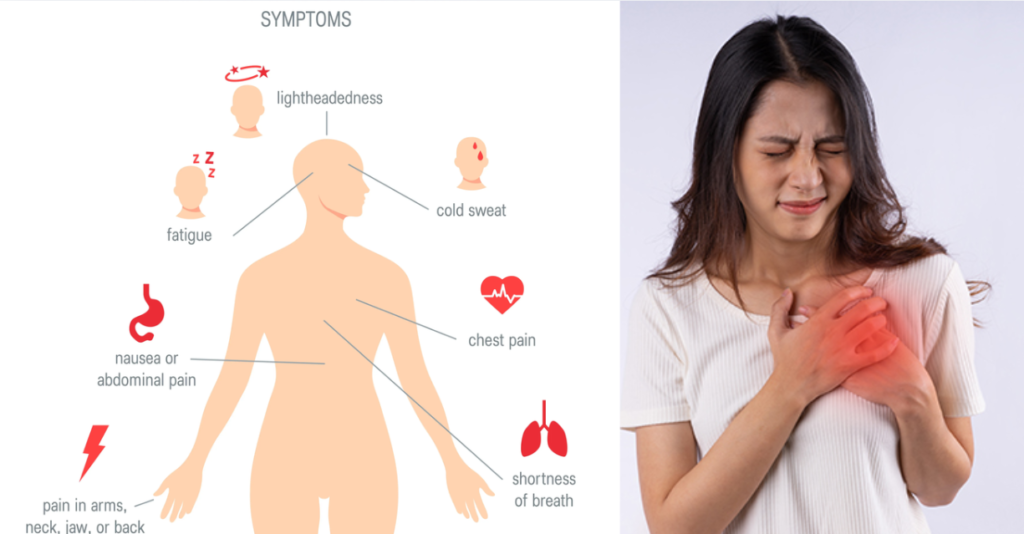
Understanding Heart Attacks in Women
Heart disease is the leading cause of death for women worldwide. Awareness and early detection are key.
Why Women’s Symptoms Differ
Women often experience non-classic symptoms due to differences in heart anatomy, hormones, and vascular responses. Unlike men, who frequently report intense chest pain, women may have subtler signals that can easily be overlooked.
Risk Factors to Consider
Common contributors to heart disease in women include:
- High blood pressure and high cholesterol
- Diabetes and obesity
- Family history of heart disease
- Stress, smoking, and sedentary lifestyle
- Hormonal changes, especially post-menopause
Knowing these risk factors can help you interpret your body’s warning signs more accurately.
Subtle Symptoms Women Often Experience
Unlike the dramatic portrayals, many warning signs are understated yet serious.
1. Unexplained Fatigue
Persistent or unusual tiredness may indicate your heart is struggling to pump efficiently. Women often report fatigue days or even weeks before a heart attack.
2. Shortness of Breath
Breathlessness during routine activity, or even at rest, can be a key signal. Sometimes, it appears without chest discomfort, making it easy to dismiss.
3. Nausea and Indigestion
Digestive discomfort, including nausea, vomiting, or a sensation of heartburn, can sometimes mask cardiovascular distress.
4. Back, Neck, or Jaw Pain
Pain in these areas may radiate from the heart. Women are more likely than men to experience these atypical pain patterns.
5. Lightheadedness or Dizziness
Feeling faint, dizzy, or unusually weak may reflect reduced blood flow due to cardiac strain.
Recognizing the Early Warning Signs
Early detection is crucial. Here’s how to interpret your symptoms effectively.
Keep Track of Patterns
- Note frequency and intensity of fatigue, breathlessness, or pain
- Identify triggers such as exertion, stress, or meals
- Record other accompanying symptoms like sweating or palpitations
When to Seek Help
If you experience any combination of these subtle signs—especially alongside chest discomfort—even if mild, it’s imperative to contact emergency services immediately.
Lifestyle Strategies to Protect Your Heart
Preventive measures are your first line of defense against heart attacks.
Heart-Healthy Diet
- Emphasize fruits, vegetables, whole grains, and lean proteins
- Limit processed foods, excess sugar, and saturated fats
- Consider heart-friendly foods like salmon, nuts, and olive oil
Regular Physical Activity
- Aim for 150 minutes of moderate exercise weekly
- Include cardiovascular and strength-training activities
- Incorporate simple daily habits like walking or stair climbing
Stress Management
Chronic stress can elevate heart disease risk. Try:
- Mindfulness meditation or yoga
- Deep-breathing exercises
- Regular social interaction and support networks
Advanced Tips for Women’s Heart Health
Going beyond basics can further safeguard your cardiovascular system.
Monitor Your Health Metrics
- Blood pressure and cholesterol levels
- Blood sugar, especially if diabetic or pre-diabetic
- Regular check-ups and heart screenings
Be Proactive About Symptoms
- Learn the differences between typical and atypical heart attack signs
- Advocate for yourself during medical appointments
- Don’t dismiss persistent fatigue, discomfort, or shortness of breath
Consider Hormonal Influences
- Discuss menopausal changes with your healthcare provider
- Be aware of pregnancy-related cardiovascular conditions
- Understand the impact of hormonal therapies on heart health
Common Challenges and How to Overcome Them
Recognizing heart attack symptoms in women can be complicated by misconceptions and societal biases.
Misinterpreting Symptoms
- Women often attribute fatigue, nausea, or jaw pain to stress or digestive issues.
- Keep an open dialogue with your doctor and trust your intuition.
Balancing Busy Lives
- Busy schedules may prevent exercise, meal prep, or stress management.
- Small, consistent lifestyle changes can have a cumulative positive effect.
Overcoming Healthcare Hesitation
- Women sometimes receive delayed diagnoses due to atypical symptoms.
- Be persistent, seek second opinions if necessary, and request relevant cardiac tests.
Maximizing Long-Term Heart Health
Sustainable heart protection involves consistent habits and proactive management.
Maintain a Daily Routine
- Incorporate regular exercise, balanced nutrition, and adequate sleep
- Track symptoms and health metrics for ongoing awareness
Regular Medical Check-Ups
- Annual cardiovascular assessments
- Lipid profiles, blood pressure monitoring, and ECG evaluations
Educate Yourself
- Stay informed about women-specific heart health issues
- Share knowledge with friends and family to increase awareness
Conclusion
Heart attacks in women often defy stereotypes, manifesting as fatigue, nausea, jaw pain, or shortness of breath rather than dramatic chest pain. By recognizing these subtle symptoms and understanding risk factors, you can act early, seek timely medical care, and reduce the likelihood of serious complications.
Empower yourself with knowledge, maintain heart-healthy habits, and advocate for your health. Your vigilance and proactive choices can make all the difference in safeguarding your heart for years to come.
Important Disclaimer: This article is for informational purposes only and should not replace professional medical advice. Consult a healthcare provider for personal cardiovascular concerns or symptoms. Individual results may vary.