Meta Description: Discover how your trapezius muscle causes shoulder tension, pain, and stiffness—and learn simple strategies to release tightness and restore comfort.
Introduction
Have you ever felt a constant tightness in your shoulders, like you’re carrying invisible weight all day? That nagging tension might not just be stress—it could be your trapezius muscle silently overworking and clamping down on your body.
Understanding your trapezius and shoulder tension can transform how you manage daily discomfort, posture, and even headaches. This powerful yet often overlooked muscle plays a key role in your upper body movement and stability—but when it’s tight, it can lead to stiffness, pain, and reduced mobility.
In this guide, you’ll discover what your trapezius does, why it becomes tense, and how you can release that built-up pressure. With simple, effective strategies, you can unlock better posture, reduce pain, and feel lighter in your body—starting today.
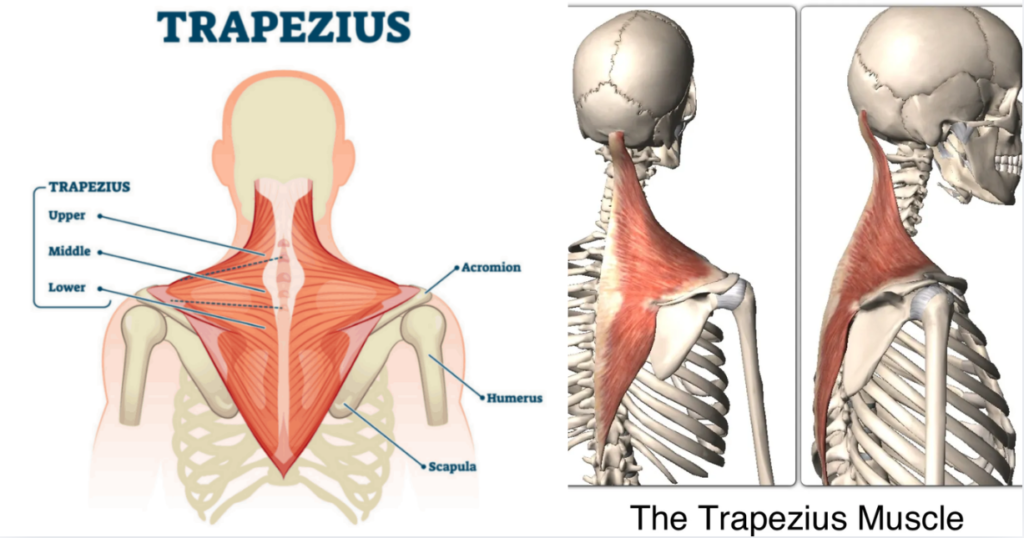
What Is the Trapezius and Why Does It Matter?
The trapezius is a large, triangular muscle that spans from the base of your skull down to your mid-back and across your shoulders. It plays a central role in how you move and support your upper body.
Key Functions of the Trapezius
Your trapezius muscle is responsible for:
- Lifting your shoulders (like when you shrug)
- Stabilizing your neck and upper back
- Supporting posture
- Helping you turn and tilt your head
- Assisting in arm movement
When functioning properly, it keeps your upper body balanced and strong. But when overused or stressed, it becomes tight and overactive.
Why It Becomes “The Silent Clamper”
Unlike acute injuries, trapezius tension builds slowly. You may not notice it at first—but over time, it creates:
- Constant shoulder tightness
- Neck stiffness
- Tension headaches
- Reduced flexibility
Because it develops gradually, many people ignore it until discomfort becomes chronic.
What Causes Trapezius Tightness?
Understanding the root causes helps you prevent and manage trapezius pain effectively.
Poor Posture Habits
Modern lifestyles often involve:
- Long hours at a desk
- Looking down at phones
- Slouching while sitting
These habits force your trapezius to work overtime to stabilize your head and shoulders.
Stress and Emotional Tension
When you’re stressed, your body reacts physically. One of the most common responses is tightening the shoulders.
You might notice:
- Raised shoulders without realizing it
- Clenched muscles during anxiety
- Persistent tension even at rest
Repetitive Movements
Activities like typing, driving, or lifting can overload the trapezius if done without proper posture or breaks.
How to Release Trapezius Tension Step by Step
You don’t need complicated routines to relieve trapezius tightness. Small, consistent actions can make a big difference.
Step 1: Reset Your Posture
Start by correcting your alignment:
- Keep your shoulders relaxed—not raised
- Align ears over shoulders
- Sit with a straight back and supported lower spine
Quick tip: Imagine a string pulling your head upward gently.
Step 2: Gentle Stretching
Incorporate simple stretches daily:
- Neck tilt stretch: Tilt your head to one side and hold for 20–30 seconds
- Shoulder rolls: Roll shoulders backward slowly
- Upper trapezius stretch: Use your hand to gently deepen the stretch
Repeat 2–3 times per day for best results.
Step 3: Apply Heat Therapy
Heat helps relax tight muscles and improve blood flow.
- Use a warm towel or heating pad
- Apply for 15–20 minutes
- Ideal after long workdays
Step 4: Self-Massage Techniques
You can release tension at home:
- Use your fingers to apply pressure to tight spots
- Try a massage ball against a wall
- Focus on areas that feel tender
Consistency is key—short daily sessions work better than occasional long ones.
Advanced Strategies to Prevent Chronic Tightness
Once you start feeling relief, it’s time to build long-term habits that keep your trapezius healthy.
Strengthen Supporting Muscles
Weak muscles around your shoulders and back force the trapezius to compensate.
Focus on:
- Upper back exercises
- Shoulder blade stabilization
- Core strengthening
Improve Your Workspace Setup
A well-designed workspace reduces strain:
- Screen at eye level
- Chair with proper support
- Keyboard within easy reach
These small adjustments can dramatically reduce muscle tension.
Practice Mind-Body Awareness
Pay attention to your body throughout the day:
- Are your shoulders raised?
- Is your neck stiff?
- Are you holding tension unconsciously?
Regular check-ins help you release tension before it builds up.
Common Challenges and How to Overcome Them
Even with the best intentions, you might face obstacles. Here’s how to handle them.
“I Keep Forgetting to Fix My Posture”
Solution:
- Set reminders on your phone
- Use sticky notes at your desk
- Pair posture checks with routine tasks
“The Pain Keeps Coming Back”
Recurring tension often means the root cause isn’t fully addressed.
Try:
- Combining stretching with strengthening
- Improving sleep posture
- Managing stress levels
“Stretching Feels Uncomfortable”
Mild discomfort is normal, but pain is not.
Tips:
- Stretch gently—never force it
- Breathe deeply during stretches
- Stop if you feel sharp pain
Maximizing Relief and Long-Term Results
To truly transform your shoulder health, consistency and balance are essential.
Build a Daily Routine
A simple 10–15 minute routine can include:
- 5 minutes of stretching
- 5 minutes of posture awareness
- 5 minutes of relaxation or breathing
Combine Physical and Mental Relaxation
Your trapezius responds to both physical and emotional stress.
Try:
- Deep breathing exercises
- Meditation
- Light yoga
Stay Active
Movement prevents stiffness. Even light activity like walking helps maintain muscle balance.
Featured Snippet: How Do You Relax a Tight Trapezius Muscle?
To relax a tight trapezius muscle:
- Practice good posture throughout the day
- Perform gentle neck and shoulder stretches
- Apply heat to relax muscle fibers
- Use self-massage techniques to release knots
- Reduce stress through breathing or relaxation exercises
Consistency with these steps can significantly reduce tension and improve comfort.
Internal Linking Opportunities
To deepen your understanding and support overall wellness, consider exploring related topics such as:
- Best exercises for neck and shoulder pain relief
- How stress affects your muscles and posture
- Daily habits that damage your spine health
- Simple stretches to improve flexibility at home
- Ergonomic workspace setup for better posture
Conclusion
Your trapezius may be silent, but its impact on your daily comfort is powerful. By understanding how this muscle works—and why it tightens—you can take control of your posture, reduce pain, and feel more at ease in your body.
The good news? You don’t need drastic changes. Small, consistent actions like stretching, posture correction, and stress management can create lasting results.
Start today. Listen to your body, release that tension, and give your shoulders the freedom they deserve.