Meta Description: Discover what andropause is, its symptoms, causes, and how to manage male menopause for better energy, mood, and long-term health.
Introduction
As men age, subtle changes in energy, mood, and physical health can begin to appear. Often overlooked or dismissed as “just getting older,” these shifts may actually be linked to andropause, sometimes referred to as “male menopause.” Unlike sudden hormonal changes seen in women, andropause develops gradually, making it harder to recognize—but no less important to address.
Understanding male health and andropause empowers you to take control of your well-being. From hormonal changes to lifestyle influences, this guide breaks down what’s happening inside your body and how you can respond effectively. With the right knowledge and strategies, you can maintain vitality, strength, and mental clarity well into later life.
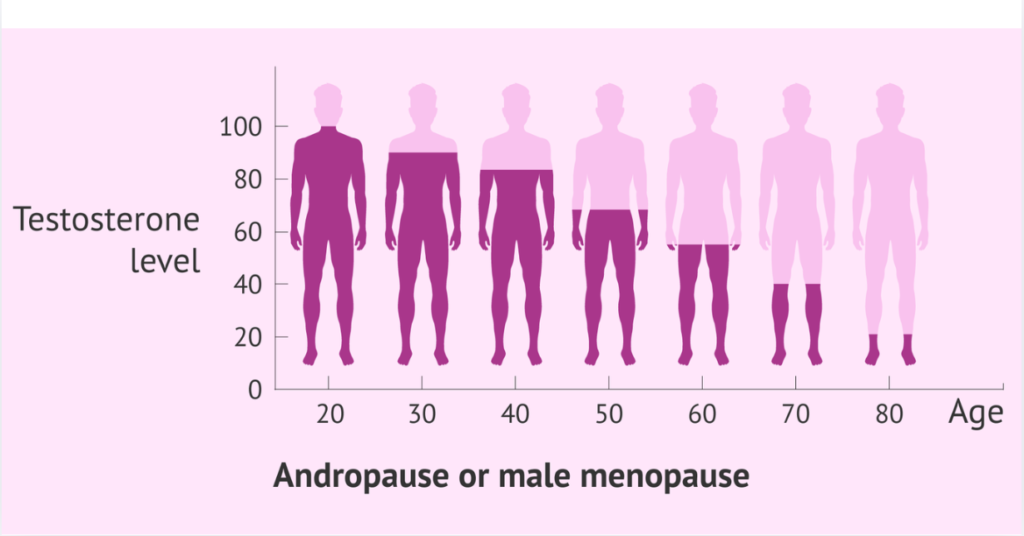
Section 1: Foundation – What Is Andropause?
Andropause refers to a gradual decline in testosterone levels in men, typically beginning around the age of 40–50.
H3: The Role of Testosterone
Testosterone is a key hormone responsible for:
- Muscle mass and strength
- Libido and sexual function
- Energy levels and mood
- Bone density and fat distribution
As levels decline, these functions may begin to change, leading to noticeable symptoms.
H3: Is Andropause the Same as Menopause?
Not exactly. While menopause involves a rapid hormonal drop, andropause is:
- Gradual and progressive
- Variable between individuals
- Often influenced by lifestyle and health conditions
This means symptoms can vary widely and may develop slowly over time.
H3: Common Symptoms of Andropause
You might experience:
- Persistent fatigue and low energy
- Reduced libido and sexual performance changes
- Mood swings, irritability, or mild depression
- Loss of muscle mass and increased body fat
- Difficulty concentrating or “brain fog”
Recognizing these signs early helps you take proactive steps.
Section 2: Identifying Andropause Step-by-Step
Understanding whether you’re experiencing andropause involves both observation and medical evaluation.
H3: Step 1 – Track Physical and Emotional Changes
Start by noting:
- Changes in sleep patterns
- Decreased motivation or productivity
- Alterations in physical performance
Keeping a simple health journal can reveal patterns over time.
H3: Step 2 – Evaluate Lifestyle Factors
Many symptoms overlap with lifestyle issues. Ask yourself:
- Are you sleeping enough?
- Is your diet balanced and nutrient-rich?
- Are stress levels consistently high?
Improving these areas can sometimes reverse symptoms without medical intervention.
H3: Step 3 – Seek Medical Assessment
A healthcare provider may recommend:
- Blood tests to measure testosterone levels
- Screening for conditions like diabetes or thyroid issues
- Evaluation of cardiovascular health
Accurate diagnosis ensures appropriate treatment.
Section 3: Advanced Strategies to Manage Andropause
Once identified, there are several effective ways to manage andropause and improve quality of life.
H3: Lifestyle Optimization
Simple changes can have powerful effects:
- Exercise regularly (especially strength training)
- Maintain a balanced diet rich in protein, healthy fats, and micronutrients
- Prioritize quality sleep (7–9 hours per night)
These habits naturally support hormone balance.
H3: Stress Reduction Techniques
Chronic stress lowers testosterone and increases cortisol. Try:
- Meditation or breathing exercises
- Yoga or stretching routines
- Spending time outdoors
Reducing stress helps restore hormonal equilibrium.
H3: Medical and Therapeutic Options
In some cases, medical support may be necessary:
- Testosterone replacement therapy (TRT)
- Nutritional supplementation (vitamin D, zinc, etc.)
- Counseling or therapy for mood-related symptoms
Always consult a professional before starting treatment.
Section 4: Troubleshooting Common Challenges
Even with the right approach, challenges can arise. Here’s how to handle them effectively.
H4: Low Motivation to Exercise
- Start with short, manageable workouts
- Focus on consistency over intensity
- Choose activities you enjoy
H4: Persistent Fatigue
- Check for sleep disorders like sleep apnea
- Reduce caffeine and screen time before bed
- Ensure adequate hydration and nutrition
H4: Emotional and Mental Struggles
- Normalize seeking help—mental health is part of overall wellness
- Connect with support groups or trusted individuals
- Practice self-compassion during difficult periods
Consistency and patience are key to overcoming these obstacles.
Section 5: Maximizing Results and Long-Term Health
Managing andropause isn’t just about symptom relief—it’s about building a sustainable, healthy future.
H3: Build Strong Daily Habits
- Establish a structured routine
- Incorporate movement, nutrition, and relaxation daily
- Use small habits to create lasting change
H3: Maintain Regular Health Checkups
- Monitor hormone levels periodically
- Screen for chronic conditions early
- Adjust strategies as your body evolves
H3: Combine Physical and Mental Wellness
True health comes from balance:
- Stay socially connected
- Engage in meaningful activities
- Continue learning and growing
Internal Linking Opportunities
- “Natural Ways to Boost Testosterone Levels”
- “The Role of Nutrition in Hormonal Balance”
- “Exercise Strategies for Healthy Aging”
- “Managing Stress for Better Hormone Health”
- “Sleep Optimization for Peak Performance”
Featured Snippet: What Is Andropause?
Andropause, often called male menopause, is a gradual decline in testosterone levels in aging men. It can cause fatigue, reduced libido, mood changes, and loss of muscle mass. Unlike menopause, it develops slowly and varies between individuals, often influenced by lifestyle and overall health.
Conclusion
Andropause is a natural part of aging, but it doesn’t have to limit your vitality or quality of life. By understanding the hormonal changes behind male menopause, identifying early symptoms, and adopting targeted lifestyle and medical strategies, you can regain control of your health.
With consistent effort, self-awareness, and the right support, you can maintain energy, strength, and mental clarity for years to come. Take the first step today—your future self will thank you.
Important Disclaimer: This article is for informational purposes only and should not replace professional advice. For health-related topics, consult healthcare providers. Individual results may vary, and personal circumstances should always be considered when implementing any suggestions.