Meta Description: Learn about the 12 cranial nerves, their functions, and their clinical significance in maintaining overall health. Understand how cranial nerves impact neurological function and diagnosis.
The human nervous system is a highly intricate and sophisticated network that coordinates various bodily functions. One of its key components is the cranial nerves. These 12 pairs of nerves originate directly from the brain and serve vital functions related to sensory perception, movement, and autonomic control of various organs. Understanding these nerves’ functions is not only fundamental to understanding how the body operates but is also essential in clinical settings for diagnosing neurological disorders.
In this article, we’ll explore the cranial nerves, detailing their functions, types, and clinical significance. Let’s break down the vital role these nerves play in the body and how their dysfunction can affect our health.
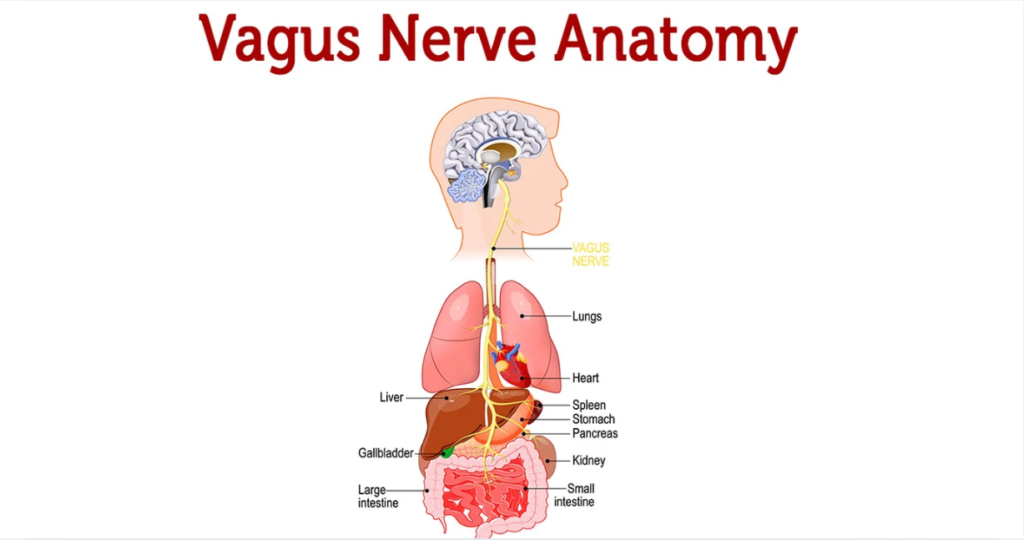
What Are Cranial Nerves?
Cranial nerves are a set of 12 paired nerves that emerge directly from the brainstem and brain—unlike spinal nerves, which emerge from the spinal cord. These nerves control sensory and motor functions of the head, neck, and some internal organs. Cranial nerves are numbered based on their position, starting from the most rostral (front) part of the brain.
The 12 Cranial Nerves:
- Olfactory Nerve (CN I)
- Optic Nerve (CN II)
- Oculomotor Nerve (CN III)
- Trochlear Nerve (CN IV)
- Trigeminal Nerve (CN V)
- Abducens Nerve (CN VI)
- Facial Nerve (CN VII)
- Vestibulocochlear Nerve (CN VIII)
- Glossopharyngeal Nerve (CN IX)
- Vagus Nerve (CN X)
- Accessory Nerve (CN XI)
- Hypoglossal Nerve (CN XII)
Each nerve serves a specific role in the body, and their functions can be sensory (related to sensation), motor (related to movement), or both.
Functions of the Cranial Nerves
Each cranial nerve has distinct functions related to sensory perception, motor control, or both. Here’s a breakdown of the functions for each cranial nerve:
1. Olfactory Nerve (CN I): Sense of Smell
The olfactory nerve is responsible for the sense of smell. It transmits sensory signals from the nasal cavity to the brain. Damage to this nerve can result in anosmia—the loss of the sense of smell.
2. Optic Nerve (CN II): Vision
The optic nerve transmits visual information from the retina to the brain. It plays a critical role in our ability to see. Conditions like optic neuritis (inflammation of the optic nerve) can lead to vision problems and even blindness.
3. Oculomotor Nerve (CN III): Eye Movement and Pupillary Reflex
The oculomotor nerve controls most of the eye’s movements, including pupil constriction, accommodation, and eyelid elevation. It also controls the muscles that move the eye in various directions.
4. Trochlear Nerve (CN IV): Eye Movement
The trochlear nerve is responsible for moving the eye downward and laterally. It innervates the superior oblique muscle, which is crucial for eye rotation. Dysfunction of this nerve can result in double vision or difficulty moving the eye downwards.
5. Trigeminal Nerve (CN V): Facial Sensation and Chewing
The trigeminal nerve has both sensory and motor functions. It is responsible for sensation in the face (touch, pain, temperature) and for chewing movements. Damage to this nerve can cause trigeminal neuralgia, a painful condition that affects the face.
6. Abducens Nerve (CN VI): Eye Movement
The abducens nerve controls the lateral rectus muscle, responsible for moving the eye laterally (side to side). A lesion in this nerve can result in strabismus, a condition where the eyes are not aligned.
7. Facial Nerve (CN VII): Facial Expression, Taste, and Salivation
The facial nerve controls the muscles of facial expression, allowing for movements like smiling, frowning, and blinking. It also provides taste sensation from the anterior two-thirds of the tongue and is involved in saliva and tear production.
8. Vestibulocochlear Nerve (CN VIII): Hearing and Balance
The vestibulocochlear nerve is involved in both hearing and balance. It transmits sound information from the inner ear to the brain and helps maintain balance. Damage to this nerve can lead to hearing loss, vertigo, or tinnitus (ringing in the ears).
9. Glossopharyngeal Nerve (CN IX): Taste, Throat Movement, and Gag Reflex
The glossopharyngeal nerve carries taste sensation from the posterior third of the tongue and controls muscles involved in swallowing. It also participates in the gag reflex and the salivary glands.
10. Vagus Nerve (CN X): Autonomic Functions
The vagus nerve is the most important nerve in the parasympathetic nervous system, regulating many autonomic functions such as heart rate, digestion, and respiration. It also carries sensory information from the throat and vocal cords and helps control swallowing.
11. Accessory Nerve (CN XI): Shoulder Movement and Neck Muscle Control
The accessory nerve controls the muscles that allow you to rotate your neck and raise your shoulders. It helps with movements like shrugging and turning your head.
12. Hypoglossal Nerve (CN XII): Tongue Movement
The hypoglossal nerve controls the tongue muscles, enabling you to speak, swallow, and chew. Damage to this nerve can lead to difficulty in speaking and swallowing (dysphagia).
Clinical Importance of Cranial Nerves
Understanding the cranial nerves and their clinical significance is crucial for diagnosing various neurological conditions. Dysfunction in any of the cranial nerves can cause specific symptoms that point to a particular problem in the nervous system.
How Cranial Nerve Dysfunction Can Be Diagnosed:
- Physical Examination: A neurologist will test various sensory and motor functions related to the cranial nerves. For example, they may ask you to stick out your tongue (testing the hypoglossal nerve) or smile (testing the facial nerve).
- Imaging Tests: MRI or CT scans may be performed to identify any structural damage, tumors, or lesions affecting the cranial nerves.
- Electrophysiological Tests: These tests can assess nerve function by measuring electrical activity in the nerves.
Common Conditions Related to Cranial Nerve Dysfunction:
- Trigeminal Neuralgia: A painful condition involving the trigeminal nerve that causes severe facial pain.
- Bell’s Palsy: Sudden, unilateral facial paralysis caused by dysfunction of the facial nerve.
- Multiple Sclerosis: A disease that can cause damage to the myelin sheath, affecting the functioning of cranial nerves.
- Vestibular Disorders: Conditions affecting the vestibulocochlear nerve, leading to dizziness and balance problems.
- Brain Tumors: Tumors pressing on cranial nerves can impair their function, leading to a range of symptoms depending on the nerve affected.
Conclusion
Cranial nerves are crucial for numerous essential functions, from facial movements to sensory perception and autonomic regulation. A detailed understanding of these nerves, their functions, and their clinical importance helps in the diagnosis and treatment of various neurological disorders.
Whether you’re experiencing symptoms like facial pain, difficulty swallowing, or dizziness, an understanding of the cranial nerves can help you seek proper medical attention and better understand your health. Always consult a healthcare provider if you suspect any issues with your cranial nerves, as early diagnosis and treatment are key to managing potential neurological conditions effectively.
Important Disclaimer: This article is for informational purposes only and should not replace professional medical advice. For health-related concerns, consult healthcare providers. Individual results may vary, and personal circumstances should always be considered when implementing any suggestions.