Meta Description: Hypothyroidism is a common thyroid disorder. Learn its signs, symptoms, causes, and health impacts, plus how it affects energy, weight, and metabolism.
Hypothyroidism is more than just “feeling tired.” It is a condition where the thyroid gland does not produce enough hormones to keep your body running at a normal pace. These hormones influence your metabolism, energy levels, heart function, mood, digestion, and even skin health. When they drop, your entire body can feel “slowed down.”
What makes hypothyroidism tricky is that its symptoms often develop slowly and can be mistaken for stress, aging, or lifestyle fatigue. That’s why many people live with it for months or even years before getting diagnosed.
In this article, you’ll discover how hypothyroidism works, what symptoms to watch for, why it happens, and how it affects your long-term health in ways you might not expect.
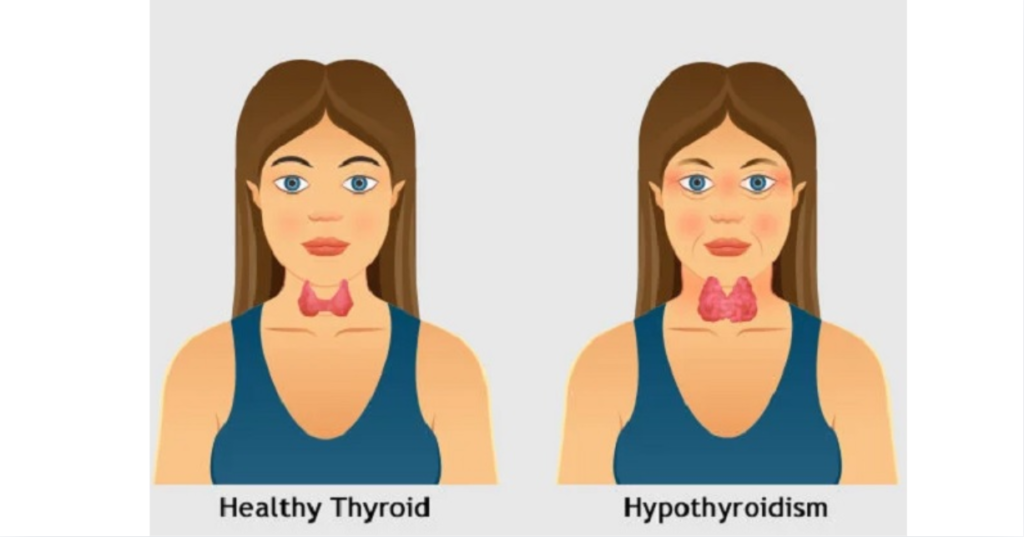
Understanding Hypothyroidism: What Happens in the Body?
The thyroid is a small butterfly-shaped gland located in your neck, but its impact is massive. It produces two main hormones: T3 (triiodothyronine) and T4 (thyroxine). These hormones act like your body’s “metabolic engine control.”
When you have hypothyroidism, your thyroid slows down, meaning:
- Your metabolism decreases
- Energy production drops
- Body systems become sluggish
Why thyroid hormones matter so much
Thyroid hormones influence nearly every organ system. For example:
- Brain: mood, focus, memory
- Heart: heart rate and blood pressure
- Gut: digestion speed
- Skin & hair: regeneration and texture
- Muscles: strength and recovery
When levels fall, you don’t just feel “a little off”—your entire system slows down.
Common Signs and Symptoms of Hypothyroidism
Hypothyroidism symptoms can vary from mild to severe depending on hormone levels and how long the condition has been present.
1. Fatigue and Low Energy
One of the earliest and most common signs is constant tiredness, even after rest. You may feel like your energy battery never fully charges.
2. Unexplained Weight Gain
Even if your diet hasn’t changed, slowed metabolism can lead to gradual weight gain, especially around the abdomen.
3. Feeling Cold Easily
People with hypothyroidism often feel unusually sensitive to cold because the body produces less heat.
4. Dry Skin and Hair Changes
Skin may become:
- Dry or rough
- Pale or dull
Hair may become:
- Thinner
- Brittle
- More prone to falling out
5. Mood Changes
Low thyroid hormones can affect brain chemistry, leading to:
- Depression
- Anxiety
- Brain fog
- Low motivation
6. Slow Heart Rate and Digestion
You might notice:
- Slower heartbeat
- Constipation
- Bloating
What Causes Hypothyroidism?
There are several possible reasons why the thyroid slows down. Understanding the cause helps guide treatment.
1. Autoimmune Disease (Hashimoto’s Thyroiditis)
The most common cause is an autoimmune condition where the immune system mistakenly attacks the thyroid gland.
2. Iodine Deficiency
Iodine is essential for thyroid hormone production. Low intake can reduce hormone output.
3. Thyroid Surgery or Treatment
Removing part or all of the thyroid gland, or treating hyperthyroidism, can result in hypothyroidism.
4. Medications
Some medications can interfere with thyroid hormone production or absorption.
Featured Snippet: What are the first signs of hypothyroidism?
The first signs of hypothyroidism often include fatigue, weight gain, dry skin, constipation, and sensitivity to cold. These symptoms develop slowly, which is why the condition is sometimes overlooked in early stages. Mood changes like depression or brain fog may also appear as thyroid hormone levels continue to drop.
How Hypothyroidism Affects Your Health Long-Term
If left untreated, hypothyroidism can affect multiple body systems over time.
1. Metabolism and Weight Regulation
Your metabolism slows down significantly, making it harder to burn calories efficiently.
2. Heart Health
Low thyroid hormone levels can lead to:
- High cholesterol
- Slower heart rate
- Increased risk of cardiovascular issues
3. Mental Health and Brain Function
Hypothyroidism is strongly linked to:
- Memory problems
- Difficulty concentrating
- Increased risk of depression
4. Reproductive Health
In women, it may cause:
- Irregular menstrual cycles
- Fertility challenges
- Hormonal imbalance
How Hypothyroidism Is Diagnosed and Managed
Doctors usually diagnose hypothyroidism through a simple blood test measuring:
- TSH (Thyroid-Stimulating Hormone)
- T3 and T4 hormone levels
Common management approaches
While treatment depends on the cause, most cases are managed through:
- Thyroid hormone replacement therapy
- Regular blood monitoring
- Lifestyle and dietary adjustments
Lifestyle and Nutritional Support for Thyroid Health
While medication is often necessary, lifestyle choices can support thyroid function and overall well-being.
1. Nutrient-rich foods for thyroid support
Include foods rich in:
- Iodine (seafood, eggs)
- Selenium (nuts, seeds)
- Zinc (legumes, meat)
- Iron (spinach, lentils)
2. Stress management
Chronic stress can worsen thyroid imbalance. Helpful practices include:
- Walking or light exercise
- Meditation or breathing techniques
- Quality sleep routines
3. Avoiding extreme diets
Very low-calorie diets may slow metabolism further and stress the thyroid.
Common Challenges People Face with Hypothyroidism
Living with hypothyroidism can feel frustrating because symptoms are often invisible but impactful.
Difficulty in diagnosis
Symptoms mimic other conditions like stress or anemia.
Slow improvement
Even after treatment begins, improvement can take time.
Emotional impact
Many people feel misunderstood because fatigue and brain fog are not always visible to others.
The key is patience and consistency with treatment and lifestyle habits.
Long-Term Management and Living Well with Hypothyroidism
Managing hypothyroidism is usually a lifelong process, but it can be very well controlled.
Practical long-term strategies:
- Take medication consistently
- Do regular thyroid check-ups
- Track symptoms and energy levels
- Maintain a balanced diet
- Stay physically active at a comfortable level
Internal health connections you might explore:
- Iron deficiency and fatigue
- Vitamin D and immune health
- Metabolism and blood sugar balance
- Stress and hormonal health
Conclusion
Hypothyroidism is a slow but impactful condition that affects nearly every system in the body. From fatigue and weight changes to mood and metabolism shifts, its effects are wide-ranging but manageable with proper care.
Understanding the signs early and supporting your body with treatment, nutrition, and lifestyle balance can make a powerful difference in how you feel every day. You are not stuck with low energy or brain fog—there are clear ways to regain control and improve quality of life.
With the right approach, you can support your thyroid, restore balance, and feel more like yourself again.
Important Disclaimer: This article is for informational purposes only and should not replace professional medical advice. For health-related concerns such as hypothyroidism, consult healthcare providers for diagnosis and treatment. Individual results may vary, and personal circumstances should always be considered when applying any health-related information.