Meta Description: The pancreas plays a key role in digestion and blood sugar control. Discover its functions, hidden roles, diseases, and how to keep it healthy naturally.
The pancreas is one of those organs you rarely think about—until something goes wrong. Yet behind the scenes, it quietly performs two of the most essential jobs in your body: helping you digest food and keeping your blood sugar balanced. Without it, your metabolism would quickly fall out of control.
What makes the pancreas truly fascinating is its “dual identity.” It acts both as a digestive helper and a hormone producer. This unique combination makes it vital for energy, survival, and long-term health.
In this article, you’ll uncover how the pancreas works, why it is so important, what happens when it becomes unhealthy, and how you can support it naturally through everyday habits.
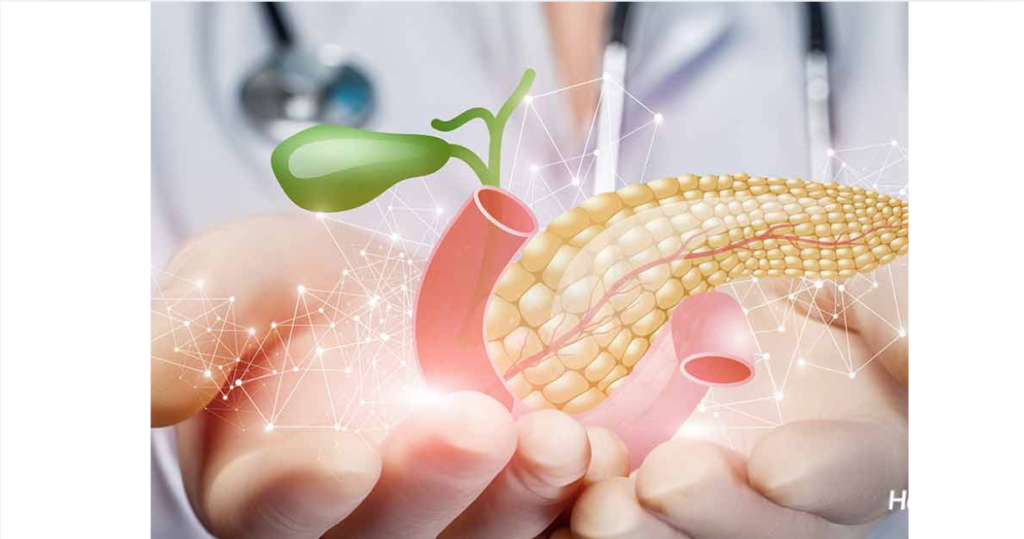
Understanding the Pancreas: What It Really Does
The pancreas is a long, flat gland located behind the stomach. Even though it is small, it has a powerful impact on your entire body.
It has two main roles:
- Exocrine function: producing enzymes for digestion
- Endocrine function: producing hormones like insulin
The pancreas as a digestive engine
Every time you eat, the pancreas releases enzymes that break down:
- Carbohydrates
- Fats
- Proteins
Without these enzymes, your body would struggle to absorb nutrients properly.
The pancreas as a blood sugar regulator
The pancreas produces insulin and glucagon, two hormones that control blood sugar levels:
- Insulin lowers blood sugar
- Glucagon raises blood sugar
This balance is essential for stable energy throughout the day.
How the Pancreas Supports Digestion and Metabolism
The pancreas works closely with the stomach, liver, and intestines to ensure smooth digestion.
Step-by-step digestion role
When you eat a meal:
- Food enters the stomach
- The pancreas detects nutrients in the small intestine
- It releases digestive enzymes
- Nutrients are broken down and absorbed
Why pancreatic enzymes matter
Without pancreatic enzymes:
- Fat digestion becomes difficult
- Nutrient absorption drops
- You may feel bloated or weak after meals
This is why the pancreas is essential for proper nutrition and energy production.
Featured Snippet: What are the main functions of the pancreas?
The pancreas has two main functions: producing digestive enzymes to break down food and producing hormones like insulin to regulate blood sugar levels. It helps the body digest nutrients and maintain stable energy levels throughout the day. Without a healthy pancreas, digestion and metabolism can be severely affected.
Common Pancreatic Disorders and What They Mean
When the pancreas is not working properly, it can lead to serious health conditions.
1. Pancreatitis (Inflammation of the pancreas)
Pancreatitis occurs when the pancreas becomes inflamed, often due to:
- Gallstones
- Excess alcohol consumption
- High-fat diets
Symptoms may include:
- Severe abdominal pain
- Nausea and vomiting
- Digestive discomfort
2. Diabetes (Type 1 and Type 2)
Diabetes happens when insulin production or use is impaired.
- Type 1: the body stops producing insulin
- Type 2: the body becomes resistant to insulin
This leads to unstable blood sugar levels.
3. Pancreatic insufficiency
This occurs when the pancreas does not produce enough enzymes, leading to poor digestion and nutrient deficiencies.
What Damages the Pancreas?
Several lifestyle and health factors can weaken pancreatic function over time.
1. Poor diet choices
A diet high in processed foods, sugar, and unhealthy fats can overload the pancreas.
2. Alcohol consumption
Excess alcohol is one of the major risk factors for pancreatitis.
3. High blood sugar levels
Chronic high glucose forces the pancreas to overwork, increasing the risk of insulin resistance.
4. Smoking
Smoking is strongly linked to pancreatic inflammation and even pancreatic cancer risk.
How to Keep Your Pancreas Healthy Naturally
Supporting your pancreas doesn’t require extreme changes—small daily habits make a big difference.
1. Eat pancreas-friendly foods
Focus on foods that reduce inflammation and support metabolism:
- Leafy greens (spinach, kale)
- Berries (antioxidants)
- Whole grains
- Lean proteins
- Healthy fats (olive oil, nuts)
2. Balance your blood sugar
Stable blood sugar reduces stress on the pancreas. Helpful habits include:
- Eating balanced meals
- Avoiding excess sugar
- Including fiber in every meal
3. Stay hydrated
Water helps digestion and enzyme transport, supporting pancreatic efficiency.
4. Maintain a healthy weight
Excess body fat, especially around the abdomen, increases the risk of insulin resistance.
Advanced Insights: The Pancreas and Hormonal Balance
The pancreas does more than digestion—it plays a major role in hormonal stability.
Insulin sensitivity and energy levels
When insulin works properly, your body efficiently:
- Uses glucose for energy
- Stores excess energy safely
- Prevents energy crashes
Connection with stress
Chronic stress can indirectly affect the pancreas by:
- Raising blood sugar levels
- Increasing insulin demand
- Disrupting hormonal balance
Managing stress through sleep, exercise, and relaxation supports pancreatic health.
Troubleshooting: Signs Your Pancreas May Be Struggling
Early signs of pancreatic imbalance are often subtle.
Common warning signals:
- Frequent fatigue after meals
- Unexplained weight changes
- Digestive discomfort or bloating
- Blood sugar fluctuations
- Greasy or floating stools
What you should do
If you notice persistent symptoms:
- Get blood sugar tests
- Consult a healthcare professional
- Review diet and lifestyle habits
Early detection makes a major difference in long-term health outcomes.
Long-Term Strategies for Pancreatic Wellness
Keeping your pancreas healthy is about consistency, not perfection.
1. Build a balanced eating pattern
Avoid extreme diets. Instead, focus on:
- Regular meals
- Moderate portions
- Nutrient diversity
2. Support gut health
A healthy gut improves digestion and reduces pancreatic workload. Consider:
- Fermented foods
- Fiber-rich meals
- Hydration
3. Stay physically active
Exercise improves insulin sensitivity and reduces metabolic stress.
4. Regular health monitoring
Routine blood tests help track:
- Blood sugar levels
- Lipid profile
- Overall metabolic health
Internal Health Connections You Might Explore
Understanding the pancreas connects with many other health topics, such as:
- Blood sugar balance and metabolic health
- Liver function and detox pathways
- Digestive health and enzyme function
- Nutrition and inflammation control
- Hormonal balance and energy regulation
These systems all work together, forming a complete metabolic network.
Conclusion
The pancreas may be small, but its role in your body is massive. It supports digestion, regulates blood sugar, and keeps your metabolism running smoothly. When it is healthy, you feel energized, balanced, and strong. When it struggles, the effects can ripple through your entire body.
The good news is that you can actively support your pancreas through simple daily habits—balanced nutrition, stable blood sugar, hydration, and a healthy lifestyle.
By taking care of this hidden powerhouse, you are investing in long-term energy, metabolic stability, and overall well-being.
Important Disclaimer: This article is for informational purposes only and should not replace professional medical advice. For any concerns related to pancreatic health, digestion, or blood sugar disorders, consult a qualified healthcare provider. Individual results may vary, and personal circumstances should always be considered.