Meta Description: Master your nutrition with this complete vitamin cheat sheet. Learn essential vitamins, their roles, food sources, and how they support energy, immunity, and overall health.
Vitamins are the “silent workers” of your body. You don’t see them, but without them, your energy drops, your immunity weakens, and your body struggles to function properly. The truth is, you don’t need complicated diets—you just need to understand what each vitamin does and how to get it from real food.
This complete vitamin cheat sheet is your simple, practical guide to mastering nutrition. Whether you want more energy, better immunity, glowing skin, or stronger bones, vitamins play a direct role in how you feel every single day.
Let’s break it down in a clear, easy way so you can finally understand what your body truly needs.
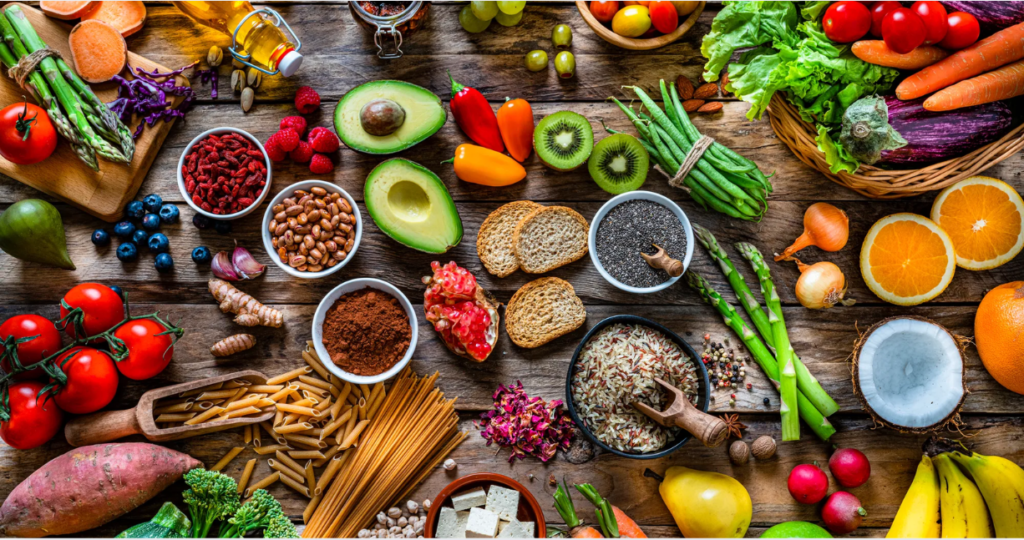
Understanding Vitamins: The Basics of Nutrition
Vitamins are organic compounds your body needs in small amounts to function properly. Unlike carbohydrates, fats, and proteins, they don’t provide energy directly—but they help your body use energy efficiently.
Why vitamins are essential
Vitamins support:
- Energy production
- Immune defense
- Brain function
- Skin and hair health
- Bone strength
- Hormonal balance
Without enough vitamins, even a healthy diet can feel incomplete.
Two main types of vitamins
Vitamins are grouped into two categories:
- Fat-soluble vitamins: A, D, E, K (stored in the body)
- Water-soluble vitamins: B-complex and C (need daily intake)
This difference matters because it affects how often you need them.
Vitamin Cheat Sheet: What Each Vitamin Does
Here’s your simplified guide to essential vitamins and their roles.
Vitamin A: Vision and Skin Health
Vitamin A supports:
- Healthy eyesight
- Skin repair
- Immune defense
Food sources:
- Carrots
- Sweet potatoes
- Spinach
- Liver
Vitamin B Complex: Energy and Brain Function
B vitamins work together to convert food into energy.
Key roles include:
- Reducing fatigue
- Supporting brain function
- Improving metabolism
Food sources:
- Whole grains
- Eggs
- Meat
- Legumes
- Nuts
Vitamin C: Immunity and Skin Glow
Vitamin C is a powerful antioxidant.
It helps:
- Strengthen immunity
- Boost collagen production
- Fight inflammation
Food sources:
- Oranges
- Lemons
- Strawberries
- Bell peppers
Vitamin D: Bone and Mood Health
Vitamin D helps your body absorb calcium and supports mood regulation.
Food sources:
- Sunlight exposure
- Fatty fish
- Egg yolks
Vitamin E: Cell Protection
Vitamin E protects your cells from oxidative stress.
It supports:
- Skin health
- Immune system
- Anti-aging processes
Food sources:
- Almonds
- Sunflower seeds
- Avocado
Vitamin K: Blood and Bone Strength
Vitamin K is essential for:
- Blood clotting
- Bone health
Food sources:
- Leafy greens
- Broccoli
- Cabbage
Featured Snippet: What are the most important vitamins for daily health?
The most important vitamins for daily health include Vitamin A for vision, B vitamins for energy, Vitamin C for immunity, Vitamin D for bones and mood, Vitamin E for cell protection, and Vitamin K for blood and bone health. These vitamins work together to support metabolism, immunity, and overall body function.
How to Get All Your Vitamins Naturally
You don’t need supplements first—you need balance in your diet.
1. Eat a colorful plate
A simple rule:
- Green foods → Vitamin K, folate
- Orange foods → Vitamin A
- Citrus fruits → Vitamin C
- Nuts & seeds → Vitamin E
2. Include protein daily
Protein-rich foods often contain B vitamins and support nutrient absorption.
Examples:
- Eggs
- Fish
- Chicken
- Lentils
3. Don’t avoid healthy fats
Fat is needed to absorb vitamins A, D, E, and K.
Healthy fats include:
- Olive oil
- Avocado
- Nuts
Advanced Nutrition Tips for Better Vitamin Absorption
Getting vitamins is one thing—absorbing them is another.
Pair nutrients smartly
Some combinations improve absorption:
- Vitamin C + iron → better absorption
- Vitamin D + fat → improved uptake
- B vitamins + protein → better energy production
Avoid nutrient blockers
Certain habits reduce vitamin absorption:
- Excess processed food
- Too much sugar
- Chronic stress
- Poor sleep
Cook smartly
Some vitamins are sensitive to heat:
- Steam vegetables instead of overboiling
- Eat some fruits raw for maximum vitamin C
Common Vitamin Deficiency Signs
Your body often signals when something is missing.
Fatigue and low energy
May indicate:
- B vitamin deficiency
- Iron-related vitamin imbalance
Weak immunity
Frequent illness can signal low:
- Vitamin C
- Vitamin D
Skin and hair issues
Possible deficiencies:
- Vitamin A (dry skin)
- Vitamin E (dull skin)
Bone and muscle pain
Often linked to:
- Vitamin D
- Vitamin K
Troubleshooting: Why You Might Still Feel Deficient
Even with a good diet, deficiencies can happen.
Poor absorption
Conditions like gut imbalance can reduce nutrient uptake.
Limited sun exposure
Low sunlight = low vitamin D levels.
Highly processed diet
Processed foods lack micronutrients, even if calories are high.
Maximizing Your Vitamin Health Long-Term
Consistency is the key to nutritional success.
1. Build simple daily habits
- Add vegetables to every meal
- Eat fruit as snacks
- Include healthy fats daily
2. Rotate your food choices
Avoid eating the same foods every day. Variety ensures better nutrient coverage.
3. Support gut health
A healthy gut improves vitamin absorption. Include:
- Yogurt
- Fiber-rich foods
- Fermented foods
4. Stay hydrated
Water helps transport nutrients efficiently through the body.
Internal Health Topics You Can Explore Next
To deepen your nutrition knowledge, explore:
- Blood sugar balance and food choices
- Anti-inflammatory eating patterns
- Gut health and digestion
- Immune system support foods
- Energy-boosting nutrition strategies
Conclusion
Mastering your nutrition doesn’t have to be complicated. With this complete vitamin cheat sheet, you now understand what each vitamin does and how simple food choices can dramatically improve your health.
From energy and immunity to skin, bones, and brain function, vitamins are the foundation of your well-being. The best part? You can get most of them from real, everyday foods.
Start small. Eat more color. Choose whole foods. And let your nutrition work for you every day.
Important Disclaimer: This article is for informational purposes only and should not replace professional medical or nutritional advice. For health-related concerns or suspected deficiencies, consult a qualified healthcare provider. Individual needs may vary based on age, health status, and lifestyle.