Meta Description: Acupressure at the base of the skull may help relieve headaches, reduce neck tension, and improve mental clarity through gentle, natural pressure techniques.
In a world filled with screens, stress, and constant mental overload, tension often builds quietly in one of the most sensitive areas of the body: the base of the skull. This region, where the neck meets the head, is a common hotspot for headaches, stiffness, and mental fatigue.
That’s where acupressure for well-being: gentle pressure at the base of the skull promotes deep relaxation, helps ease headaches, improves mental clarity, and releases chronic tension becomes a powerful self-care tool.
Acupressure is a traditional technique inspired by ancient practices that involves applying gentle pressure to specific points on the body. When used correctly at the base of the skull, it may help relax tight muscles, calm the nervous system, and support a clearer, more focused mind.
Let’s explore how this simple method works and how you can safely use it in your daily routine.
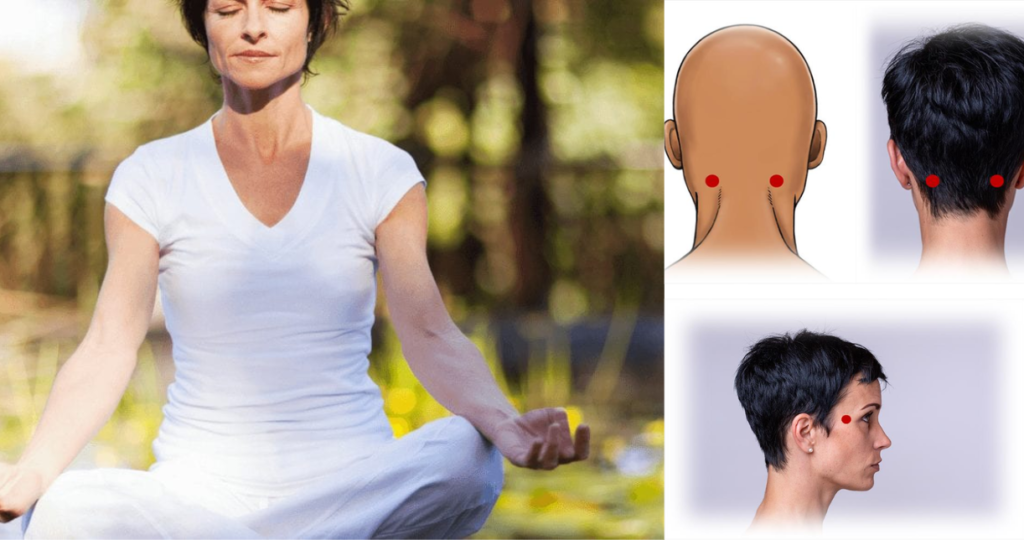
Understanding Acupressure and the Base of the Skull
Acupressure is based on the idea that specific points on the body are connected to energy pathways and nervous system responses. By applying gentle pressure, you may stimulate relaxation and improve circulation in targeted areas.
Why the base of the skull is so important
The base of the skull—also called the occipital region—is where:
- Major neck muscles attach
- Blood vessels and nerves pass through
- Tension from posture often accumulates
This area is especially sensitive to:
- Stress
- Poor posture (especially screen use)
- Sleep strain
- Anxiety-related muscle tightening
What happens when tension builds here
When this region becomes tight, you may experience:
- Headaches or pressure at the back of the head
- Neck stiffness
- Eye strain
- Difficulty concentrating
- A “heavy head” feeling
How Acupressure at the Skull Base Works
Acupressure works by applying controlled pressure using fingers to stimulate muscles and nerve endings.
The physiological effects
Gentle pressure in this area may:
- Relax tight neck muscles
- Improve local blood flow
- Calm overactive nerve signals
- Activate relaxation responses in the nervous system
Why it promotes relaxation
The body has a natural “rest and digest” system. Acupressure may help shift the body away from stress mode by:
- Slowing breathing
- Reducing muscle guarding
- Supporting nervous system balance
Featured Snippet: Can acupressure at the base of the skull relieve headaches?
Yes, gentle acupressure at the base of the skull may help relieve tension headaches by relaxing tight neck muscles, improving blood flow, and reducing nerve pressure. It is most effective for stress-related headaches and should be done with light, consistent pressure for short sessions.
Step-by-Step Guide to Acupressure for Deep Relaxation
You can perform this technique at home in just a few minutes.
Step 1: Find the correct points
Place your fingers at the base of your skull where:
- The neck muscles meet the head
- You feel two small indentations on either side of the spine
These are commonly used pressure points for relaxation.
Step 2: Apply gentle pressure
Using your thumbs or fingertips:
- Press gently upward into the base of the skull
- Hold steady pressure (not painful)
- Maintain for 10–30 seconds
Step 3: Use circular motion
After holding:
- Make small circular movements
- Keep pressure light and controlled
- Focus on slow breathing
Step 4: Combine with breathing
To enhance relaxation:
- Inhale slowly through the nose
- Exhale deeply through the mouth
- Repeat for 1–3 minutes
Step 5: Release slowly
Finish by slowly releasing pressure and gently stretching your neck.
Benefits of Acupressure at the Base of the Skull
When practiced regularly, this technique may support several aspects of well-being.
1. Relief from tension headaches
Many headaches are linked to muscle tightness in the neck and shoulders. Acupressure helps relax these muscles.
2. Reduced neck and shoulder stiffness
It can ease discomfort caused by:
- Long hours at a desk
- Poor posture
- Stress-related muscle tension
3. Improved mental clarity
By reducing physical tension, your brain may feel:
- Less “foggy”
- More focused
- Calmer and clearer
4. Stress and anxiety relief
Gentle pressure may help activate relaxation responses, supporting emotional balance.
Advanced Techniques for Deeper Results
Once you are comfortable, you can enhance your routine.
1. Combine with heat therapy
Warmth helps muscles relax faster:
- Use a warm towel on the neck before acupressure
- Or apply after a hot shower
2. Add gentle neck stretching
After acupressure:
- Slowly tilt head side to side
- Roll shoulders gently
- Avoid sudden movements
3. Create a daily relaxation routine
Best results come from consistency:
- Morning: to improve focus
- Evening: to release daily stress
Common Mistakes and Troubleshooting
Even simple techniques can be less effective if done incorrectly.
Applying too much pressure
Acupressure should never be painful. Too much force may increase tension instead of relieving it.
Incorrect positioning
Pressing too low on the neck may miss the key relaxation points.
Expecting instant cure
Acupressure helps manage symptoms, especially tension-related ones, but does not replace medical care.
When results feel limited
You may need to also address:
- Posture habits
- Screen time
- Stress levels
- Sleep quality
Long-Term Strategies for Chronic Tension Relief
To reduce recurring tightness, lifestyle adjustments are essential.
1. Improve posture habits
- Keep screens at eye level
- Avoid forward head posture
- Take regular movement breaks
2. Manage daily stress
Stress is one of the biggest contributors to neck tension:
- Practice mindfulness
- Take short breathing breaks
- Reduce multitasking overload
3. Support sleep quality
Poor sleep increases muscle tightness:
- Maintain consistent sleep schedule
- Avoid screens before bed
- Use supportive pillows
4. Stay physically active
Movement improves circulation and reduces stiffness:
- Walking
- Stretching
- Yoga or light exercise
Internal Wellness Topics You Can Explore
This topic connects with broader health areas such as:
- Tension headache management
- Stress and nervous system balance
- Neck and posture health
- Natural pain relief techniques
- Relaxation and sleep optimization
Conclusion
Acupressure at the base of the skull is a simple yet powerful self-care technique that may help reduce tension, ease headaches, and improve mental clarity. By applying gentle pressure, you support relaxation in one of the body’s most stress-sensitive areas.
While it is not a medical treatment, it can be a valuable daily practice for managing stress-related discomfort and improving overall well-being. When combined with good posture, breathing exercises, and healthy lifestyle habits, its benefits become even more noticeable.
Your body often holds onto stress silently—but with small, mindful actions like this, you can help it release and reset.
Important Disclaimer: This article is for informational purposes only and should not replace professional medical advice. If you experience severe, persistent, or unusual headaches or neck pain, consult a qualified healthcare provider. Individual responses to acupressure techniques may vary.