Meta Description: Diluted tea tree essence may support skin comfort and lymphatic wellness when applied at night. Learn safe use, benefits, and gentle application techniques.
Natural wellness practices often focus on simple, plant-based approaches that support the body’s own systems. One such trending topic is the use of diluted tea tree essence: night application for gentle lymphatic support in the central chest area. While tea tree oil is best known for its antimicrobial properties, it is also commonly used in diluted form in aromatherapy and topical routines to support skin comfort and relaxation.
The lymphatic system, especially around the chest area, plays a key role in immune balance and fluid circulation. Although essential oils do not directly “detox” the lymph system, gentle massage practices and calming nighttime routines may help promote relaxation and support overall well-being.
In this article, you’ll learn how tea tree essence is used safely, what benefits it may offer, and how to incorporate it into a calming night routine.
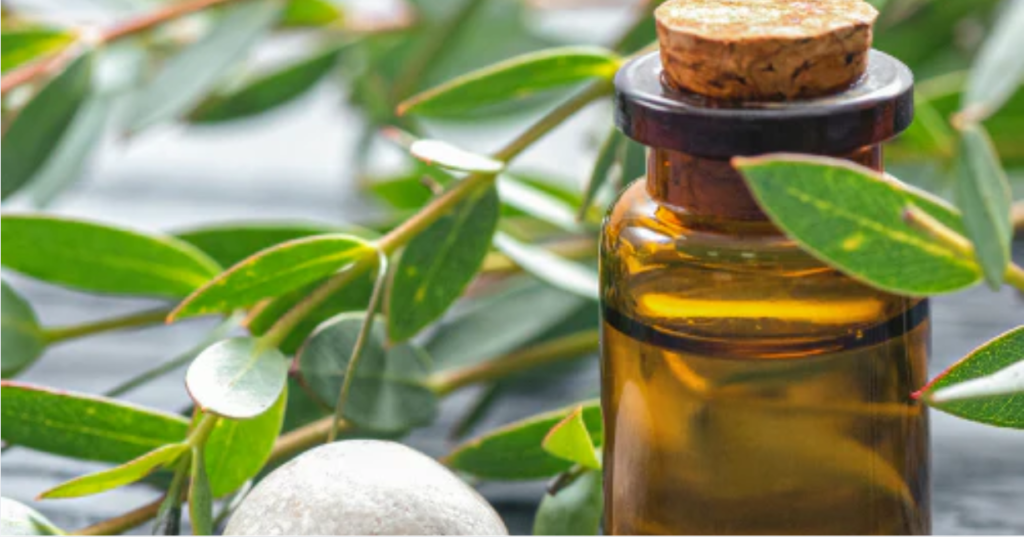
Understanding Tea Tree Essence and the Lymphatic System
Tea tree oil comes from the leaves of the Melaleuca alternifolia plant. It is widely used in skincare and aromatherapy due to its cleansing and soothing properties.
What is tea tree essence?
Tea tree essence is a concentrated plant extract known for:
- Antimicrobial properties
- Skin-cleansing effects
- Soothing minor irritations
- Aromatic relaxation benefits
Because it is highly potent, it must always be diluted before skin application.
The role of the lymphatic system in the chest area
The lymphatic system is part of your immune defense network. In the central chest area, it helps:
- Transport lymph fluid
- Remove waste from tissues
- Support immune response
- Maintain fluid balance
Gentle massage and relaxation techniques are often used to support healthy lymph flow.
How Diluted Tea Tree Essence Is Used in Night Routines
When applied properly, diluted tea tree essence is used more for relaxation and skin comfort than direct medical treatment.
Common ways it is applied
- Mixed with carrier oils (like coconut or almond oil)
- Used in gentle chest massage
- Applied before sleep as part of aromatherapy
- Combined with breathing exercises
Why nighttime application is popular
Night application is preferred because:
- The body naturally enters repair mode during sleep
- Relaxation routines reduce stress
- The aroma can promote calmness
- Skin has time to absorb oils without interference
Featured Snippet: Can tea tree oil support lymphatic health?
Tea tree oil does not directly stimulate the lymphatic system, but when diluted and used in gentle massage, it may support relaxation, skin comfort, and a calming nighttime routine. These effects can indirectly contribute to overall well-being and stress reduction, which are important for healthy lymphatic function.
Step-by-Step Guide: Safe Night Application Routine
Using tea tree essence safely is the most important part of this practice.
Step 1: Dilute properly
Never apply tea tree oil directly to the skin.
Safe dilution:
- 2–3 drops of tea tree oil
- 1 tablespoon of carrier oil (coconut, olive, or almond oil)
Step 2: Perform a patch test
Before full use:
- Apply a small amount on inner arm
- Wait 24 hours
- Check for irritation
Step 3: Gentle chest application
Apply a small amount to the central chest area:
- Use light circular motions
- Avoid pressure or deep massage
- Focus on relaxation
Step 4: Combine with deep breathing
While applying:
- Inhale slowly through the nose
- Exhale gently through the mouth
- Repeat for 2–5 minutes
Step 5: Use before sleep
This routine works best:
- 20–30 minutes before bedtime
- In a calm, low-light environment
Advanced Aromatherapy Insights for Lymphatic Support
Aromatherapy is often used to support relaxation, which indirectly benefits lymphatic function.
Blending tea tree with other oils
Tea tree oil can be combined with:
- Lavender (calming effect)
- Eucalyptus (refreshing sensation)
- Frankincense (relaxation support)
The role of massage in lymph flow
Gentle massage may:
- Encourage fluid movement
- Reduce tension in chest muscles
- Support relaxation response
However, it should always be light and non-invasive.
Stress and lymphatic health connection
Chronic stress can negatively affect the immune system. Relaxation routines like aromatherapy may help:
- Lower stress hormones
- Improve sleep quality
- Support immune balance
Safety Considerations and Common Mistakes
Because essential oils are powerful, safe use is essential.
Common mistakes to avoid
- Applying undiluted tea tree oil
- Using too much oil at once
- Applying to broken or irritated skin
- Using near eyes or sensitive areas
Who should be cautious?
Extra care is needed for:
- People with sensitive skin
- Individuals with allergies
- Children and pregnant individuals (consult a professional first)
Signs of irritation
Stop use if you notice:
- Redness
- Itching
- Burning sensation
- Skin rash
Troubleshooting: When Results Feel Minimal
Some people expect immediate physical changes, but this practice is subtle.
Why you may not feel strong effects
- Aromatherapy works gradually
- Lymphatic support is indirect
- Stress levels may still be high
- Inconsistent use
Improving your routine
To enhance benefits:
- Be consistent (3–5 times weekly)
- Combine with hydration
- Add gentle stretching or walking
- Prioritize sleep quality
Maximizing Benefits of Nighttime Lymphatic Care
For best results, tea tree application should be part of a broader wellness routine.
1. Stay hydrated
Water supports natural lymph flow throughout the body.
2. Move your body daily
Even light movement helps lymph circulation:
- Walking
- Stretching
- Yoga
3. Practice deep breathing
Deep breathing helps activate the diaphragm, which supports lymph movement.
4. Support skin health
Healthy skin improves absorption and comfort:
- Moisturize regularly
- Avoid harsh skincare products
Internal Wellness Connections You Can Explore
This topic connects with broader health areas such as:
- Lymphatic system health and detox pathways
- Aromatherapy and stress reduction
- Immune system support strategies
- Natural skincare routines
- Sleep and relaxation techniques
Conclusion
Using diluted tea tree essence: night application for gentle lymphatic support in the central chest area is best understood as a calming self-care ritual rather than a medical treatment. When used safely and consistently, it may support relaxation, skin comfort, and stress reduction—all of which contribute to overall well-being.
The key is gentle application, proper dilution, and realistic expectations. By combining this practice with hydration, movement, and good sleep, you can build a simple nighttime routine that supports your body naturally.
Small, consistent habits often create the most meaningful long-term wellness benefits.
Important Disclaimer: This article is for informational purposes only and should not replace professional medical advice. Essential oils should always be used with caution and proper dilution. For any medical conditions or concerns, consult a qualified healthcare provider before use. Individual reactions may vary.