Meta Description: Learn the essential needs of unborn babies for healthy growth and development. Discover key nutrients, prenatal care, and lifestyle habits for a healthy pregnancy.
Pregnancy is one of the most delicate and important phases in human development. During this time, an unborn baby undergoes rapid growth, forming vital organs, systems, and structures that will support life after birth. Understanding the essential needs for unborn babies is crucial for ensuring healthy development and reducing risks during pregnancy.
Everything—from nutrition and oxygen supply to maternal stress levels—can influence fetal growth. This is why prenatal care focuses not only on the baby but also on the overall well-being of the mother.
In this article, you’ll discover the key factors that support healthy fetal development and how expectant mothers can create the best possible environment for their unborn child.
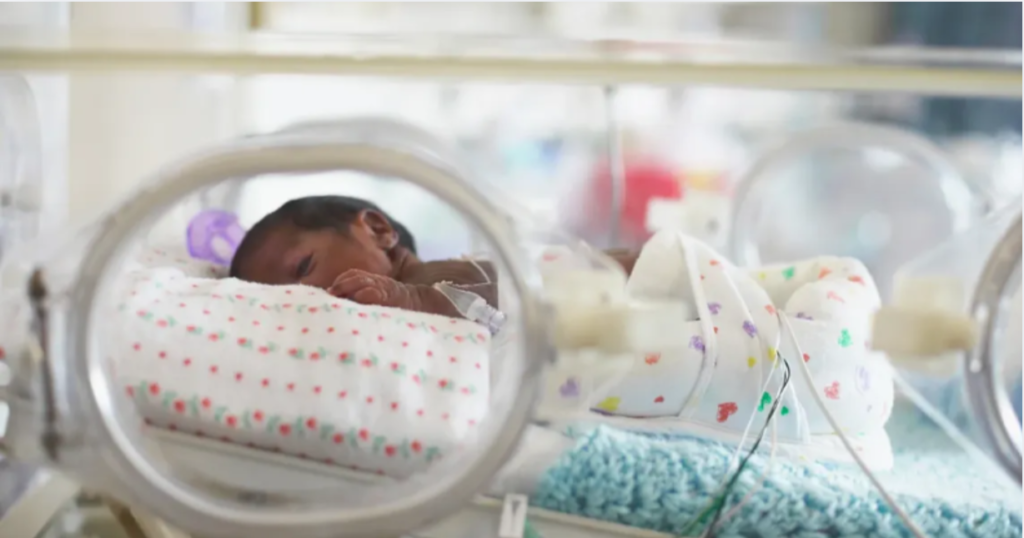
Understanding Fetal Growth and Development
Fetal development is a highly structured process that begins at conception and continues until birth.
The three stages of pregnancy
- First trimester: Organ formation begins (heart, brain, spinal cord)
- Second trimester: Growth and movement become more active
- Third trimester: Weight gain and final organ maturation
Why early development matters most
The first trimester is especially critical because:
- Major organs are formed
- Neural development begins
- The foundation for lifelong health is established
Featured Snippet: What do unborn babies need for healthy development?
Unborn babies need proper maternal nutrition, oxygen supply, prenatal vitamins (especially folic acid), stable hormones, reduced stress, and regular prenatal care to support healthy growth and development.
Essential Nutrition for Unborn Babies
Nutrition is one of the most important factors in fetal health.
1. Key nutrients for fetal development
Folic acid (Vitamin B9)
- Prevents neural tube defects
- Supports brain and spinal cord development
Iron
- Helps form red blood cells
- Prevents maternal and fetal anemia
Calcium
- Builds strong bones and teeth
- Supports muscle and nerve development
Omega-3 fatty acids
- Essential for brain and eye development
- Supports cognitive function
Balanced pregnancy diet
A healthy pregnancy diet includes:
- Fresh fruits and vegetables
- Whole grains
- Lean proteins
- Healthy fats
2. Hydration and oxygen supply
Water plays a key role in supporting blood flow to the placenta.
Why hydration matters
- Improves nutrient delivery
- Supports amniotic fluid levels
- Helps prevent pregnancy complications
Maternal Health and Its Impact on the Baby
The mother’s health directly affects fetal growth.
1. Hormonal balance
Hormones regulate pregnancy progression.
Key hormones involved:
- Progesterone
- Estrogen
- Human chorionic gonadotropin (hCG)
Why balance is important
Hormonal imbalance can affect:
- Implantation
- Fetal growth
- Pregnancy stability
2. Oxygen and blood circulation
The baby receives oxygen through the placenta.
Healthy circulation ensures:
- Proper organ development
- Brain oxygenation
- Growth regulation
3. Avoiding harmful substances
Certain substances can negatively impact fetal development.
To avoid during pregnancy:
- Alcohol
- Tobacco
- Recreational drugs
- Excess caffeine
Featured Question: How does stress affect unborn babies?
Chronic stress during pregnancy can increase cortisol levels, which may affect fetal brain development, birth weight, and long-term emotional regulation.
Healthy Lifestyle Habits for Pregnancy
Daily habits play a major role in fetal well-being.
1. Prenatal care and medical monitoring
Regular check-ups help track:
- Baby’s growth
- Heartbeat
- Maternal health indicators
2. Safe physical activity
Moderate exercise supports pregnancy health.
Recommended activities:
- Walking
- Prenatal yoga
- Light stretching
Benefits of exercise
- Improves circulation
- Reduces stress
- Supports healthy weight gain
3. Sleep and rest
Rest is essential for both mother and baby.
Why sleep matters
- Supports hormonal balance
- Reduces fatigue
- Promotes fetal growth
Advanced Factors Influencing Fetal Development
1. Emotional well-being
A calm environment supports healthier outcomes.
Positive emotional states help:
- Reduce stress hormones
- Improve sleep quality
- Support healthy fetal development
2. Environmental exposure
The environment can influence pregnancy health.
Things to limit exposure to:
- Air pollution
- Toxic chemicals
- Heavy metals
3. Genetic and inherited factors
Some aspects of development are influenced by genetics, but lifestyle still plays a major role in overall outcomes.
Common Challenges During Pregnancy
Nutrient deficiencies
Can lead to:
- Fatigue
- Poor fetal growth
- Developmental risks
Morning sickness
May reduce appetite and nutrient intake early in pregnancy.
High stress levels
Can affect sleep, hormones, and emotional stability.
Internal Linking Opportunities
This topic connects well with:
- Prenatal nutrition and pregnancy diet plans
- Importance of folic acid during pregnancy
- Hormonal balance in women’s health
- Healthy lifestyle habits for stress management
- Brain development and nutrition in early life
Conclusion
Supporting the essential needs of unborn babies is about creating a healthy environment inside the womb through proper nutrition, stable maternal health, and positive lifestyle habits. Every choice made during pregnancy—from diet to stress management—can influence fetal growth and long-term development.
By focusing on balanced nutrition, regular prenatal care, and emotional well-being, expectant mothers can give their babies the strongest possible start in life.
Small, consistent actions during pregnancy can lead to lifelong benefits for both mother and child—making this journey one of the most powerful investments in future health.