Meta Description: Learn how to choose fish based on your health goals. Discover the best fish for heart health, weight loss, brain function, and overall nutrition.
Fish is one of the most nutrient-dense foods you can include in your diet, but not all fish offer the same benefits. Depending on your health goals—whether it’s improving heart health, supporting brain function, losing weight, or building muscle—different types of fish can give you different advantages.
Understanding how to choose fish by your health goals helps you make smarter dietary decisions and unlock the full nutritional potential of seafood.
In this guide, you’ll discover the best fish options for specific health needs and how to incorporate them into your lifestyle in a simple and practical way.
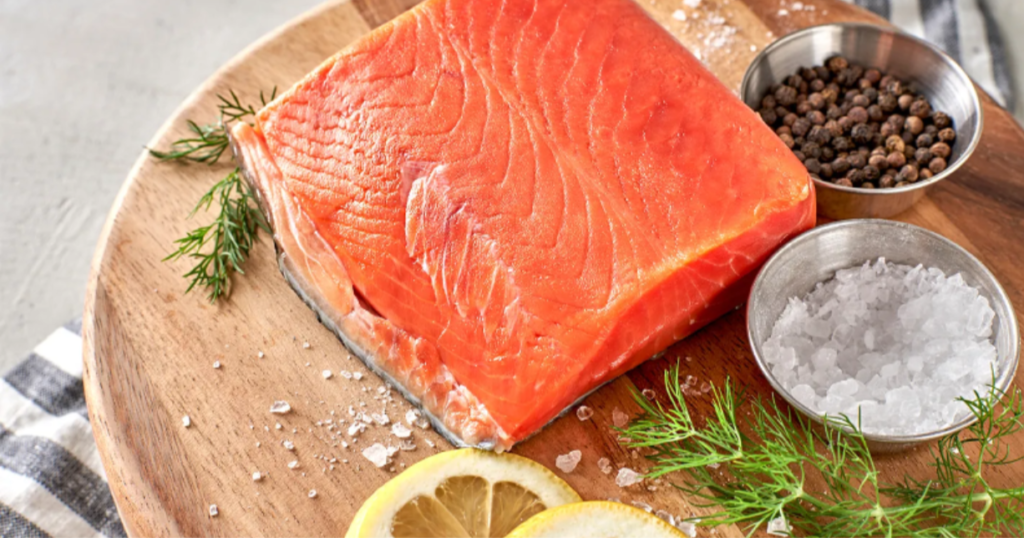
Why Fish Is a Powerful Nutritional Choice
Fish is rich in high-quality protein, essential fatty acids, vitamins, and minerals that support overall wellness.
Key nutrients in fish
- Omega-3 fatty acids (EPA & DHA)
- High-quality protein
- Vitamin D
- Vitamin B12
- Iodine and selenium
Why fish stands out in nutrition
Fish supports:
- Heart health
- Brain development
- Muscle repair
- Hormonal balance
- Inflammation control
Featured Snippet: How do you choose fish based on health goals?
You choose fish based on your health goals by selecting fatty fish like salmon for heart and brain health, lean fish like cod for weight management, and sardines or mackerel for nutrient density and omega-3 intake.
Fish for Heart Health
Heart health is one of the most well-known benefits of eating fish.
Best fish for cardiovascular support
- Salmon
- Sardines
- Mackerel
- Tuna
Why these fish help your heart
They are rich in omega-3 fatty acids, which help:
- Lower triglycerides
- Reduce inflammation
- Support healthy blood pressure
- Improve cholesterol balance
Simple heart-healthy tip
Aim to eat fatty fish at least 2 times per week for optimal cardiovascular benefits.
Fish for Brain Function and Mental Clarity
Your brain is highly dependent on healthy fats, especially omega-3s.
Best fish for brain health
- Salmon
- Trout
- Sardines
- Herring
Benefits for cognitive function
These fish may support:
- Memory retention
- Focus and concentration
- Mood balance
- Reduced risk of cognitive decline
Why omega-3 matters
DHA is a key structural component of brain cells, making fish essential for mental performance.
Fish for Weight Loss and Fitness
If your goal is weight management, fish can be an excellent protein source.
Best lean fish options
- Cod
- Haddock
- Tilapia
- Sole
Why lean fish supports weight loss
- Low in calories
- High in protein
- Helps increase satiety
- Supports muscle maintenance
Fitness advantage
Protein-rich fish helps repair muscles after exercise and supports metabolism.
Fish for Muscle Building
For muscle growth and recovery, protein quality matters.
Best fish for muscle development
- Salmon
- Tuna
- Mackerel
- Swordfish
How fish supports muscles
- Provides essential amino acids
- Supports muscle repair after training
- Enhances recovery speed
Fish for Bone Health and Immunity
Certain fish provide nutrients beyond protein and fats.
Key nutrient contributors
- Vitamin D
- Calcium (especially in small fish eaten with bones)
- Selenium
Best options
- Sardines
- Anchovies
- Salmon
Benefits include
- Stronger bones
- Improved immune response
- Better calcium absorption
Advanced Tips for Choosing Fish Wisely
1. Wild vs farmed fish
- Wild fish often have higher omega-3 content
- Farmed fish may have more controlled contaminants
2. Fresh vs frozen
- Frozen fish can be just as nutritious
- Fresh fish offers better texture and taste
3. Mercury awareness
Some fish contain higher mercury levels.
Lower mercury options:
- Salmon
- Sardines
- Trout
Higher mercury fish (limit intake):
- Shark
- Swordfish
- King mackerel
How to Include Fish in Your Diet
Simple cooking methods
- Grilling
- Baking
- Steaming
- Light pan-searing
Healthy meal ideas
- Grilled salmon with vegetables
- Tuna salad with olive oil
- Sardines on whole-grain toast
- Baked cod with herbs
Eating frequency
Nutrition experts often recommend:
- 2–3 servings per week for general health
Common Mistakes When Choosing Fish
Choosing fried fish too often
Frying reduces nutritional benefits and adds unhealthy fats.
Ignoring variety
Eating only one type of fish limits nutrient diversity.
Overcooking fish
High heat can reduce omega-3 content and dry out the texture.
Internal Linking Opportunities
This topic connects well with:
- Omega-3 fatty acids and brain health
- Heart-healthy nutrition plans
- High-protein foods for fitness
- Anti-inflammatory diet strategies
- Healthy meal planning for weight loss
Conclusion
Learning how to choose fish by your health goals allows you to take full advantage of its powerful nutritional benefits. Whether you’re aiming for better heart health, improved brain function, weight management, or muscle support, there is a perfect fish for your needs.
By selecting the right types of fish and preparing them in healthy ways, you can enhance your diet, support long-term wellness, and enjoy delicious meals at the same time.
Small dietary choices like these can lead to meaningful improvements in your overall health—one meal at a time.