Meta Description: Learn the differences between varicose veins and deep vein thrombosis (DVT), including symptoms, causes, risks, and when to seek urgent medical care.
Vein-related conditions are common, especially in adults who spend long hours standing, sitting, or have underlying circulation issues. Two of the most frequently confused conditions are varicose veins and deep vein thrombosis (DVT). While they may both involve the veins, they are fundamentally different in severity, causes, and health risks.
Understanding the distinction between varicose veins vs DVT is essential because one is often a chronic but non-life-threatening condition, while the other can become a medical emergency.
In this article, you’ll learn how to recognize each condition, what causes them, and how doctors differentiate and manage them.
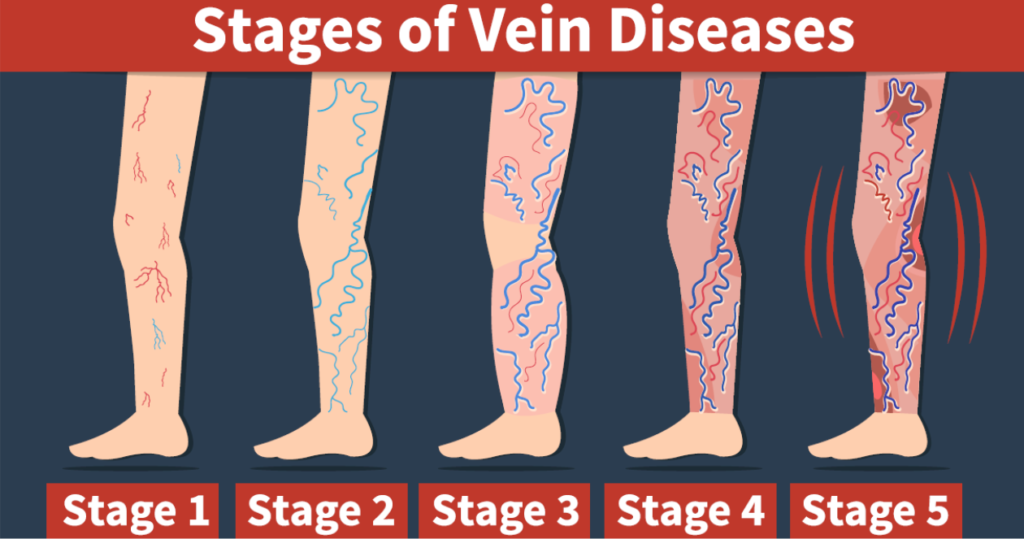
Understanding Varicose Veins and Deep Vein Thrombosis
Both conditions affect blood flow in the veins, but they occur in different parts of the venous system.
What are varicose veins?
Varicose veins are enlarged, twisted superficial veins that usually appear on the legs.
- Caused by weakened vein valves
- Lead to blood pooling near the surface
- Often visible and bulging
What is Deep Vein Thrombosis (DVT)?
DVT occurs when a blood clot forms in a deep vein, usually in the leg.
- Blocks normal blood flow
- Can be life-threatening if the clot travels to the lungs (pulmonary embolism)
Featured Snippet: What is the difference between varicose veins and DVT?
Varicose veins are enlarged surface veins caused by valve weakness, while DVT is a serious condition where a blood clot forms in deep veins, potentially leading to life-threatening complications.
Causes of Varicose Veins vs DVT
Although both involve veins, their causes are different.
Causes of varicose veins
- Weak or damaged vein valves
- Prolonged standing or sitting
- Pregnancy
- Aging
- Genetic predisposition
Causes of DVT
- Blood clotting disorders
- Immobility (long flights, bed rest)
- Surgery or trauma
- Cancer or certain medications
- Smoking
Symptoms Comparison
Recognizing symptoms helps distinguish between the two conditions.
Varicose vein symptoms
- Visible twisted veins (blue or purple)
- Aching or heaviness in legs
- Swelling in lower legs
- Itching around veins
- Symptoms worsen after standing
DVT symptoms
- Sudden leg swelling (often one leg)
- Pain or tenderness in calf or thigh
- Warmth in affected area
- Red or discolored skin
- Sometimes no visible symptoms
Featured Snippet: What are the warning signs of DVT?
Warning signs of DVT include sudden swelling in one leg, pain or tenderness, warmth, and redness. It may develop without visible vein changes and requires urgent medical attention.
Key Differences Between Varicose Veins and DVT
1. Severity
- Varicose veins: usually chronic and non-emergency
- DVT: potentially life-threatening
2. Location of affected veins
- Varicose veins: superficial veins
- DVT: deep veins inside muscles
3. Risk level
- Varicose veins: discomfort and cosmetic concern
- DVT: risk of pulmonary embolism
4. Appearance
- Varicose veins: visible, bulging veins
- DVT: often not visible externally
How Each Condition Develops
Varicose veins development
Step 1: Valve weakness
Vein valves fail to close properly.
Step 2: Blood pooling
Blood accumulates in superficial veins.
Step 3: Vein enlargement
Veins stretch and become visible.
DVT development
Step 1: Blood flow slowdown
Immobility or injury reduces circulation.
Step 2: Clot formation
Blood coagulates in deep veins.
Step 3: Possible clot migration
Clot may travel to lungs or other organs.
Featured Snippet: Can varicose veins turn into DVT?
Varicose veins do not directly turn into DVT, but they may slightly increase risk of superficial vein thrombosis, while DVT forms in deeper veins through different mechanisms.
Diagnosis Methods
Varicose veins diagnosis
- Physical examination
- Doppler ultrasound (if needed)
DVT diagnosis
- Ultrasound imaging
- D-dimer blood test
- CT or MRI in complex cases
Treatment Options
Varicose vein treatments
- Compression stockings
- Lifestyle changes (exercise, weight management)
- Laser therapy or vein procedures
- Sclerotherapy
DVT treatments
- Anticoagulant medications (blood thinners)
- Hospital monitoring
- Thrombolytic therapy in severe cases
Prevention Strategies
For varicose veins
- Regular physical activity
- Avoid prolonged standing
- Elevate legs
- Maintain healthy weight
For DVT
- Move regularly during long travel
- Stay hydrated
- Use compression stockings if recommended
- Follow post-surgery guidelines
When to Seek Urgent Medical Care
Seek immediate help if you experience:
- Sudden unexplained leg swelling
- Severe leg pain
- Shortness of breath (possible pulmonary embolism)
- Chest pain
Internal Linking Opportunities
This topic connects well with:
- Blood circulation and vascular health
- Blood clot formation mechanisms
- Cardiovascular disease prevention
- Compression therapy and vein health
- Emergency symptoms and first response care
Conclusion
While varicose veins and deep vein thrombosis (DVT) both affect the venous system, they differ significantly in severity and risk. Varicose veins are typically a chronic condition involving superficial veins and often cause discomfort or cosmetic concerns. In contrast, DVT is a serious medical condition involving deep vein blood clots that can lead to life-threatening complications.
Recognizing the symptoms early and understanding the differences is essential for proper care. Varicose veins can often be managed with lifestyle changes and supportive treatments, while DVT requires urgent medical attention and anticoagulant therapy.
Awareness of these conditions helps you take timely action and protect your vascular health effectively.