Meta Description: Learn about H. pylori infection, its symptoms, causes, diagnosis, and treatment. Understand how this hidden stomach bacterium affects digestive health.
Helicobacter pylori (H. pylori) is a type of bacteria that lives in the stomach lining and can silently affect digestive health for years without obvious symptoms. It is one of the most common chronic bacterial infections worldwide and is strongly linked to gastritis, peptic ulcers, and even stomach cancer in some cases.
Understanding H. pylori infection as a hidden bacterial threat inside your body is important because early detection and treatment can prevent long-term complications and improve digestive health significantly.
In this article, we’ll explore how H. pylori spreads, what symptoms to watch for, how it is diagnosed, and the most effective treatment strategies.
What Is H. pylori Infection?
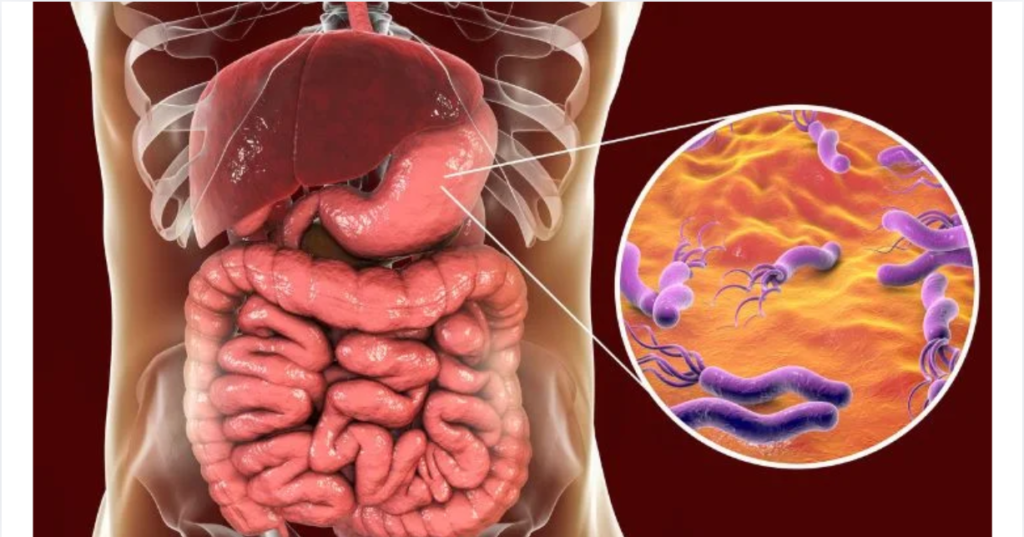
Helicobacter pylori is a spiral-shaped bacterium that infects the stomach lining.
Key characteristics
- Lives in acidic stomach environment
- Can survive stomach acid using protective enzymes
- Often acquired in childhood
- May persist for life if untreated
Why it is important
H. pylori can cause:
- Chronic stomach inflammation (gastritis)
- Peptic ulcers
- Increased risk of gastric cancer
Featured Snippet: What is H. pylori infection?
H. pylori infection is a bacterial infection of the stomach lining that can cause gastritis, ulcers, abdominal pain, and long-term digestive complications if left untreated.
How H. pylori Spreads
The exact transmission is not always clear, but it is commonly spread through:
1. Oral–oral transmission
- Saliva contact
- Sharing utensils or drinks
2. Fecal–oral route
- Contaminated food or water
- Poor sanitation
3. Close contact environments
- Household transmission
- Crowded living conditions
Symptoms of H. pylori Infection
Many people remain asymptomatic, but when symptoms occur, they often involve the digestive system.
1. Upper abdominal pain
- Burning or gnawing pain
- Often worse when stomach is empty
2. Bloating and gas
- Feeling full quickly
- Abdominal discomfort
3. Nausea and vomiting
- Especially during flare-ups
4. Loss of appetite
- Reduced desire to eat
- Possible weight loss
5. Acid-related symptoms
- Heartburn
- Acid reflux
Featured Snippet: What are the symptoms of H. pylori infection?
Symptoms of H. pylori infection include stomach pain, bloating, nausea, loss of appetite, frequent burping, and in severe cases, signs of peptic ulcers such as dark stools or vomiting blood.
Complications of H. pylori Infection
If untreated, H. pylori can lead to serious conditions.
1. Gastritis
- Chronic inflammation of the stomach lining
- Leads to discomfort and irritation
2. Peptic ulcers
- Sores in stomach or duodenum
- Can cause bleeding or pain
3. Stomach (gastric) cancer risk
- Long-term infection increases risk
- Especially in genetically predisposed individuals
4. Iron and vitamin B12 deficiency
- Impaired absorption
- Can lead to anemia
How H. pylori Affects the Stomach
Step 1: Colonization
Bacteria attach to the stomach lining.
Step 2: Survival in acid
It produces urease to neutralize stomach acid.
Step 3: Inflammation
Immune response leads to chronic irritation.
Step 4: Tissue damage
Ulcers and mucosal injury may develop.
Featured Snippet: How does H. pylori cause ulcers?
H. pylori causes ulcers by weakening the stomach’s protective lining, allowing acid to damage the tissue and create open sores in the stomach or duodenum.
Diagnosis of H. pylori Infection
Doctors use several methods to detect infection.
1. Breath test
- Detects bacterial activity
- Non-invasive and accurate
2. Stool antigen test
- Identifies bacterial proteins in stool
3. Blood test
- Detects antibodies (less precise for active infection)
4. Endoscopy and biopsy
- Direct examination of stomach lining
- Used in severe cases
Treatment of H. pylori Infection
Treatment usually involves a combination approach.
1. Antibiotic therapy
Common antibiotics:
- Amoxicillin
- Clarithromycin
- Metronidazole
2. Acid suppression therapy
- Proton pump inhibitors (PPIs)
- Reduce stomach acid and promote healing
3. Combination therapy
Often called triple or quadruple therapy:
- Two or more antibiotics
- Acid-suppressing medication
4. Follow-up testing
- Ensures bacteria are fully eradicated
Featured Snippet: How is H. pylori infection treated?
H. pylori infection is treated with a combination of antibiotics and acid-reducing medications such as proton pump inhibitors to eliminate bacteria and allow the stomach lining to heal.
Prevention Strategies
1. Hygiene practices
- Wash hands regularly
- Use clean water and food sources
2. Safe food handling
- Proper cooking of food
- Avoid contaminated water
3. Avoid sharing utensils
- Reduces oral transmission risk
4. Early testing if symptomatic
- Especially for chronic stomach pain
Internal Linking Opportunities
This topic connects well with:
- Gastritis and digestive inflammation
- Peptic ulcer disease
- Gut microbiome and bacterial infections
- Iron deficiency anemia and nutrient absorption
- Digestive system health and acid regulation
Conclusion
H. pylori infection is a widespread but often hidden bacterial condition that can quietly damage the stomach lining over time. While many people may not notice symptoms initially, it can eventually lead to gastritis, ulcers, and more serious complications if left untreated.
The good news is that it is diagnosable and highly treatable with appropriate antibiotic and acid-suppression therapy. Early detection, good hygiene, and medical follow-up are key to preventing long-term digestive problems.
Understanding this hidden bacterial threat empowers you to take proactive steps toward protecting your stomach health and overall well-being.