Meta Description: Learn the health consequences of dehydration, early warning signs, causes, and how water imbalance affects energy, organs, brain function, and overall health.
Water is essential for every function in the human body. From regulating temperature to transporting nutrients and removing waste, hydration is the foundation of good health. When the body loses more fluids than it takes in, dehydration occurs—and even mild fluid loss can begin to affect how you feel and function.
Understanding the health consequences of dehydration is important because many people underestimate how quickly it can impact energy, cognition, and organ performance. In more severe cases, it can become a medical emergency.
This guide explains how dehydration affects the body, early warning signs, long-term risks, and how to prevent it effectively.
What Is Dehydration?
Dehydration occurs when the body loses more water than it consumes, leading to an imbalance in fluids and electrolytes.
Why water is essential
Water supports:
- Blood circulation
- Body temperature regulation
- Digestion and nutrient absorption
- Brain function
- Kidney filtration
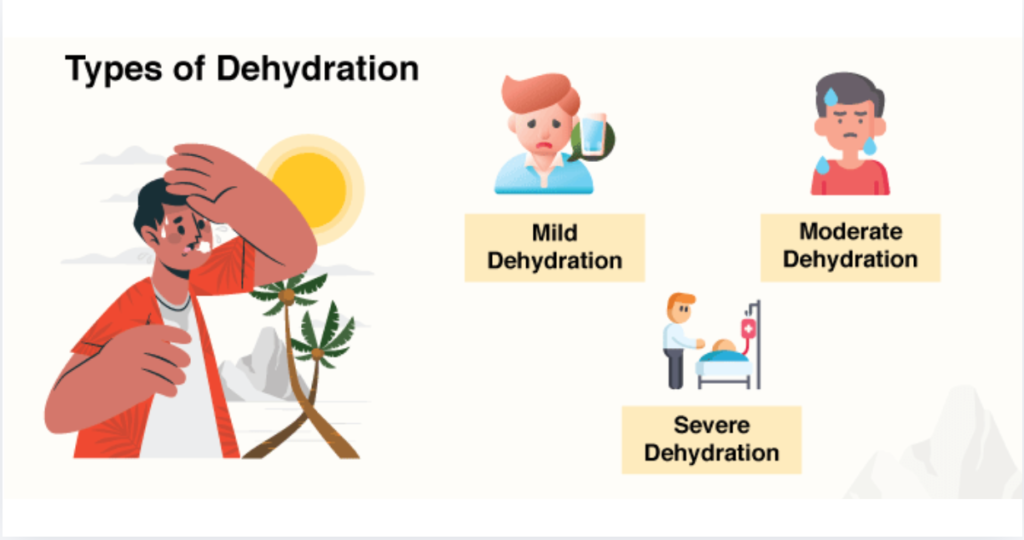
Types of dehydration
- Mild dehydration: small fluid loss
- Moderate dehydration: noticeable symptoms
- Severe dehydration: medical emergency
Featured Snippet: What is dehydration?
Dehydration is a condition where the body loses more fluids than it takes in, disrupting normal bodily functions such as circulation, temperature control, and brain activity.
Early Signs of Dehydration
Recognizing dehydration early can prevent complications.
1. Thirst and dry mouth
- First warning signal
- Indicates fluid imbalance
2. Dark urine
- Concentrated urine
- Reduced fluid intake
3. Fatigue and weakness
- Reduced blood volume
- Less oxygen delivery to tissues
4. Headache
- Caused by reduced brain hydration
- Often worsens with activity
5. Dizziness
- Low blood pressure from fluid loss
- Especially when standing up
Featured Snippet: What are the early symptoms of dehydration?
Early symptoms of dehydration include thirst, dry mouth, dark urine, fatigue, dizziness, and headaches due to reduced fluid levels in the body.
Health Consequences of Dehydration
Even mild dehydration can affect multiple systems in the body.
1. Brain and cognitive function
Dehydration directly impacts mental performance.
Effects include:
- Difficulty concentrating
- Memory problems
- Slower thinking
- Irritability
2. Cardiovascular system
- Reduced blood volume
- Increased heart rate
- Lower blood pressure
- Reduced circulation efficiency
3. Kidney function
The kidneys rely on water to filter waste.
Consequences:
- Concentrated urine
- Increased risk of kidney stones
- Reduced toxin elimination
4. Digestive system
- Constipation
- Slower digestion
- Increased risk of acid imbalance
5. Muscles and physical performance
- Muscle cramps
- Reduced endurance
- Increased fatigue during exercise
Featured Snippet: How does dehydration affect the body?
Dehydration affects the body by reducing blood volume, impairing brain function, slowing digestion, stressing kidneys, and decreasing physical performance and energy levels.
Severe Dehydration and Medical Risks
When dehydration becomes severe, it can be life-threatening.
1. Heat-related illness
- Heat exhaustion
- Heat stroke
2. Kidney failure risk
- Extreme fluid loss reduces kidney filtration
3. Electrolyte imbalance
- Sodium and potassium disturbances
- Can affect heart rhythm
4. Shock
- Extremely low blood pressure
- Requires emergency treatment
Causes of Dehydration
1. Inadequate fluid intake
- Not drinking enough water
- Ignoring thirst signals
2. Excess fluid loss
- Sweating (heat or exercise)
- Fever
- Diarrhea or vomiting
3. Medical conditions
- Diabetes
- Kidney disorders
- Certain medications (diuretics)
4. Lifestyle factors
- High caffeine or alcohol intake
- Busy routines leading to neglect of hydration
How Dehydration Affects Energy and Mood
1. Fatigue and low energy
Even mild dehydration reduces oxygen delivery.
2. Mood changes
- Increased irritability
- Reduced stress tolerance
3. Mental fog
- Reduced focus
- Slower reaction time
Featured Snippet: Can dehydration affect mood and brain function?
Yes, dehydration can affect mood and brain function by reducing cognitive performance, increasing fatigue, and causing irritability and difficulty concentrating.
Preventing Dehydration
1. Drink water regularly
- Don’t wait until thirsty
- Sip throughout the day
2. Increase fluid intake in hot weather
- More water during heat exposure
- Adjust for exercise
3. Eat water-rich foods
Examples include:
- Cucumbers
- Watermelon
- Oranges
- Lettuce
4. Monitor urine color
- Light yellow = well hydrated
- Dark yellow = dehydration warning
5. Balance electrolytes
- Sodium, potassium, magnesium support hydration balance
Internal Linking Opportunities
This topic connects well with:
- Kidney health and filtration
- Electrolyte balance in the body
- Brain function and cognitive performance
- Digestive system and constipation
- Heat-related illnesses and prevention
Conclusion
Dehydration is more than just feeling thirsty—it can significantly impact brain function, energy levels, kidney health, and cardiovascular performance. Even mild fluid loss can lead to fatigue, headaches, and reduced concentration, while severe dehydration can become a medical emergency.
The good news is that dehydration is highly preventable. By maintaining regular water intake, eating hydrating foods, and paying attention to early warning signs, you can protect your body’s balance and overall well-being.
Staying hydrated is one of the simplest yet most powerful habits for long-term health and vitality.