Meta Description: Explore foods and dietary patterns linked to increased cancer risk based on research. Learn what the evidence says about processed meat, sugar, alcohol, and ultra-processed diets.
Cancer is a complex disease influenced by genetics, environment, lifestyle, and long-term dietary habits. While no single food directly “causes” cancer, research shows that certain dietary patterns and food choices may increase risk over time by promoting inflammation, oxidative stress, or hormonal imbalance.
Understanding foods and dietary patterns linked to increased cancer risk is not about fear—it’s about awareness. Small, consistent changes in what you eat can support long-term health and reduce preventable risks.
In this article, we’ll explore what scientific evidence says about specific foods, how they may affect the body, and how to build a more protective eating pattern.
How Diet Influences Cancer Risk
Food interacts with the body through multiple biological pathways.
Key mechanisms involved
- Chronic inflammation
- DNA damage from oxidative stress
- Hormonal disruption
- Insulin resistance
- Gut microbiome imbalance
Why diet matters long-term
Cancer often develops over years or decades, meaning:
- Repeated exposure to harmful dietary patterns matters more than one meal
- Lifestyle habits accumulate effects over time
Featured Snippet: Can food increase cancer risk?
Yes, certain foods and dietary patterns—especially processed meats, alcohol, and ultra-processed diets—are linked to increased cancer risk through inflammation, oxidative stress, and hormonal effects.
Processed and Red Meat
One of the most studied dietary links to cancer involves processed meat.
1. Processed meats
Examples:
- Sausages
- Bacon
- Hot dogs
- Deli meats
Why they are linked to risk
- Contain nitrates and nitrites
- Produce harmful compounds during digestion
- Associated with colorectal cancer risk
2. Red meat (high intake)
Examples:
- Beef
- Lamb
- Pork
Concerns
- High-temperature cooking produces carcinogenic compounds
- Excess intake may increase inflammation
Featured Snippet: Does processed meat increase cancer risk?
Yes, processed meats are classified as carcinogenic to humans by health authorities and are linked to an increased risk of colorectal cancer when consumed regularly.
Ultra-Processed Foods and Cancer Risk
Ultra-processed foods are industrially manufactured products with additives and low nutritional value.
Common examples
- Fast food
- Packaged snacks
- Sugary cereals
- Instant meals
- Soft drinks
Why they may increase risk
- High in refined sugar and unhealthy fats
- Promote obesity (a major cancer risk factor)
- Disrupt gut microbiome
- Increase inflammation
Alcohol Consumption
Alcohol is one of the most well-established dietary cancer risk factors.
Associated cancers
- Liver cancer
- Breast cancer
- Esophageal cancer
- Colorectal cancer
Biological effects
- Produces acetaldehyde (toxic compound)
- Increases oxidative stress
- Affects hormone levels
Featured Snippet: Does alcohol increase cancer risk?
Yes, alcohol increases cancer risk by producing toxic metabolites and promoting oxidative stress, inflammation, and hormonal changes linked to multiple cancer types.
Sugar and Refined Carbohydrates
While sugar does not directly “feed cancer,” it influences risk indirectly.
Key concerns
- Promotes weight gain and obesity
- Increases insulin resistance
- Encourages chronic inflammation
High-sugar foods include
- Sugary drinks
- Pastries and desserts
- White bread and refined grains
Fried and Charred Foods
Cooking methods also matter.
Potential risks
- High-temperature frying produces acrylamide
- Grilling meats can create carcinogenic compounds (HCAs, PAHs)
Examples
- Deep-fried snacks
- Charred barbecue meats
- Fast-food fried items
Low-Fiber, Low-Plant Diets
A diet low in plant foods may increase risk indirectly.
Why fiber matters
- Supports healthy gut bacteria
- Reduces inflammation
- Helps regulate hormones
Risk patterns include
- Low fruit and vegetable intake
- Minimal whole grains
- Limited legumes and fiber
Featured Snippet: What foods are linked to higher cancer risk?
Foods linked to higher cancer risk include processed meats, alcohol, ultra-processed foods, high-sugar diets, and heavily fried or charred foods when consumed frequently over time.
Protective Dietary Patterns
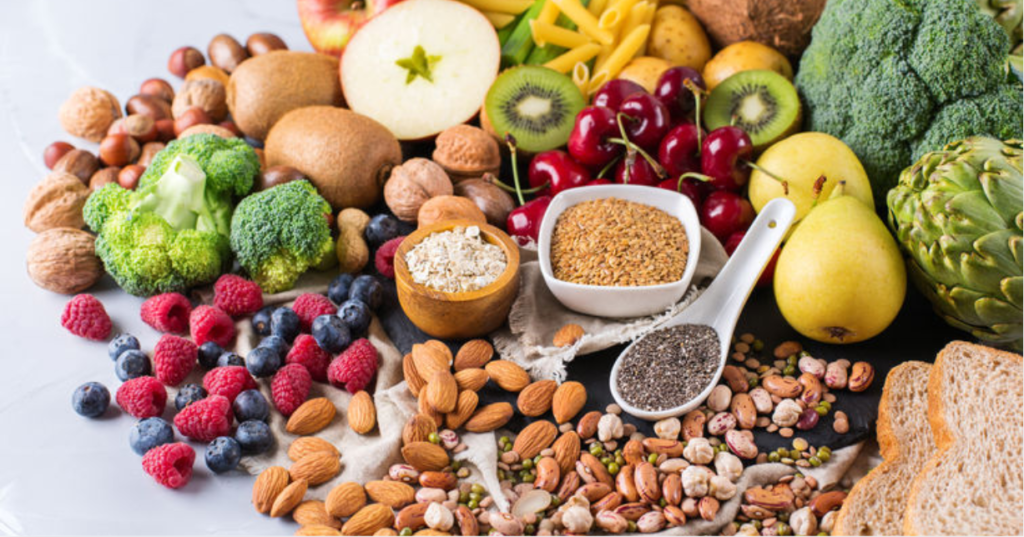
While some foods increase risk, others may help reduce it.
1. Plant-rich diets
- Fruits and vegetables
- Whole grains
- Legumes
2. Mediterranean-style eating
- Olive oil
- Fish
- Nuts and seeds
- High fiber intake
3. Antioxidant-rich foods
- Berries
- Leafy greens
- Cruciferous vegetables (broccoli, cabbage)
4. Balanced protein sources
- Fish and poultry
- Plant-based proteins
How to Reduce Dietary Cancer Risk
1. Limit processed meats
- Replace with plant proteins or fish
2. Reduce alcohol intake
- Even moderate reduction can help
3. Choose gentle cooking methods
- Steam, boil, or bake instead of frying
4. Increase fiber intake
- Aim for more whole plant foods
5. Maintain healthy body weight
- Balanced diet + regular activity
Internal Linking Opportunities
This topic connects well with:
- Anti-inflammatory diets and chronic disease prevention
- Gut health and microbiome balance
- Obesity and metabolic health
- Antioxidants and oxidative stress
- Healthy cooking methods and nutrition science
Conclusion
Research shows that certain dietary patterns—especially those high in processed meats, alcohol, ultra-processed foods, and refined sugars—are associated with increased cancer risk over time. However, diet is just one part of a complex picture.
The encouraging part is that protective habits are also well supported by science. A diet rich in whole plant foods, fiber, and antioxidants, combined with healthier cooking methods and balanced lifestyle choices, can significantly support long-term health.
Small, consistent changes in what you eat can make a meaningful difference over time.