Meta Description: Learn about common skin irritations and diseases, their causes, symptoms, and effective care strategies to keep your skin healthy and protected.
Your skin is your body’s first line of defense, protecting you from environmental damage, infections, and dehydration. But it’s also highly sensitive and can react to internal and external triggers. From mild irritation to chronic conditions, skin problems are among the most common health concerns worldwide.
Understanding common skin irritations and diseases helps you recognize early signs, manage symptoms effectively, and prevent complications. Whether it’s dryness, rashes, or inflammatory conditions, knowing what your skin is telling you can make a big difference.
In this guide, you’ll explore the causes, symptoms, and practical care strategies for maintaining healthy skin.
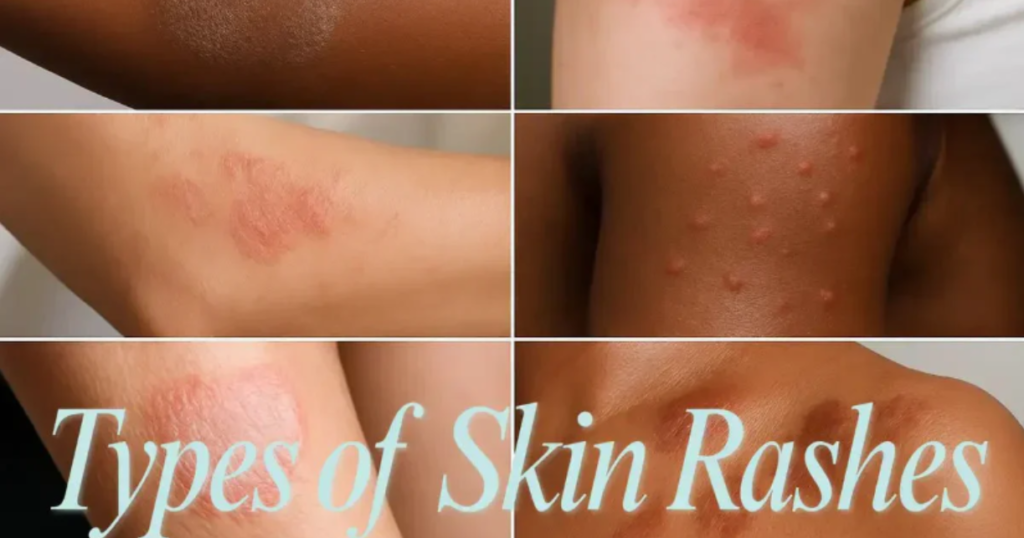
What Are Skin Irritations and Diseases?
Skin irritations are temporary reactions, while skin diseases are often chronic or recurring conditions affecting skin structure and function.
Common characteristics
- Redness
- Itching
- Dryness
- Swelling
- Changes in texture or color
Why they occur
Skin issues can result from:
- Environmental exposure
- Allergic reactions
- Infections
- Immune system responses
Featured Snippet: What are common skin irritations?
Common skin irritations include redness, itching, dryness, and rashes caused by allergens, environmental factors, infections, or underlying skin conditions.
Common Causes of Skin Problems
1. Environmental factors
- Sun exposure (UV radiation)
- Pollution
- Cold or dry weather
2. Allergic reactions
- Cosmetics or skincare products
- Soaps and detergents
- Certain foods or medications
3. Infections
- Bacterial
- Viral
- Fungal
4. Immune system conditions
Autoimmune or inflammatory responses can trigger chronic skin diseases.
5. Lifestyle factors
- Stress
- Poor diet
- Lack of hydration
Types of Common Skin Irritations and Diseases
1. Dermatitis
Overview
Dermatitis refers to inflammation of the skin.
Symptoms
- Redness
- Itching
- Dry or scaly patches
Common types
- Contact dermatitis
- Atopic dermatitis (eczema)
2. Acne
Overview
Affects hair follicles and oil glands.
Symptoms
- Pimples
- Blackheads
- Whiteheads
Causes
- Excess oil production
- Hormonal changes
- Bacteria
3. Psoriasis
Overview
A chronic autoimmune condition.
Symptoms
- Thick, scaly plaques
- Red patches
- Flaking skin
4. Fungal infections
Overview
Caused by fungal overgrowth.
Examples
- Athlete’s foot
- Ringworm
Symptoms
- Itching
- Red circular rashes
- Peeling skin
5. Urticaria
Overview
Also known as hives.
Symptoms
- Raised, itchy welts
- Sudden onset
- Often allergy-related
Featured Snippet: What are common skin diseases?
Common skin diseases include dermatitis, acne, psoriasis, fungal infections, and urticaria, each with distinct causes and symptoms.
Recognizing Symptoms: When to Pay Attention
Mild symptoms
- Temporary redness
- Mild itching
- Dry patches
These often resolve with simple care.
Moderate symptoms
- Persistent rash
- Swelling
- Discomfort
May require treatment.
Severe symptoms
- Spreading rash
- Pain or infection signs
- Fever or systemic symptoms
Require medical attention.
How Skin Conditions Develop
Step 1: Trigger exposure
- Allergen, irritant, or pathogen
Step 2: Skin barrier disruption
- Loss of moisture
- Increased sensitivity
Step 3: Inflammatory response
- Redness and swelling
- Immune activation
Step 4: Symptom progression
- Itching, scaling, or lesions
Featured Snippet: What causes skin irritation?
Skin irritation is caused by allergens, environmental factors, infections, or immune responses that disrupt the skin barrier and trigger inflammation.
Effective Skin Care and Treatment Strategies
1. Maintain skin hydration
- Use moisturizers regularly
- Prevent dryness and irritation
2. Avoid triggers
- Identify allergens
- Choose gentle skincare products
3. Practice good hygiene
- Keep skin clean
- Avoid excessive washing
4. Use appropriate treatments
- Topical creams (antifungal, anti-inflammatory)
- Medications when prescribed
5. Protect your skin
- Use sunscreen
- Wear protective clothing
Natural Supportive Care
1. Soothing ingredients
- Aloe vera
- Oatmeal baths
2. Anti-inflammatory foods
- Fruits and vegetables
- Omega-3 fatty acids
3. Stress management
- Reduces flare-ups in conditions like eczema or psoriasis
Preventing Skin Problems
1. Strengthen skin barrier
- Gentle skincare routine
- Avoid harsh chemicals
2. Stay hydrated
- Supports skin elasticity and repair
3. Balanced nutrition
- Vitamins A, C, E
- Zinc and healthy fats
4. Regular monitoring
- Observe changes in skin
- Act early on symptoms
Internal Linking Opportunities
This topic connects well with:
- Immune system and inflammation
- Fungal and bacterial infections
- Hormonal health and acne
- Nutritional impact on skin
- Stress and skin conditions
Conclusion
Common skin irritations and diseases can range from mild and temporary to chronic and complex. Understanding their causes and symptoms empowers you to take early action and choose the right care strategies.
By maintaining good hygiene, protecting your skin barrier, and addressing triggers, you can prevent many skin issues and manage existing conditions more effectively.
Healthy skin starts with awareness—and small, consistent habits can lead to long-term protection and comfort.
Important Disclaimer: This article is for informational purposes only and should not replace professional advice. For health-related topics, consult healthcare providers. Individual results may vary, and personal circumstances should always be considered when implementing any suggestions.