Meta Description: Learn about essential blood and urine biomarkers, what they reveal about organ function, metabolism, infection, and chronic disease risk.
Blood and urine tests are among the most powerful tools in modern medicine. They provide a biochemical snapshot of how the body is functioning at a cellular and organ level. These measurable substances—called biomarkers—help detect disease early, monitor treatment, and assess overall health.
Understanding key biomarkers can make laboratory results easier to interpret and more meaningful.
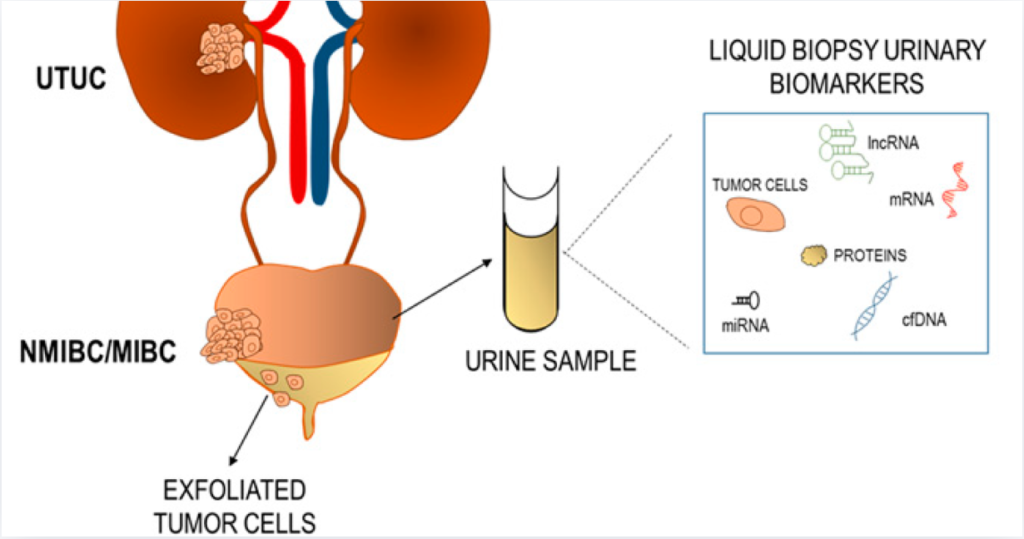
Featured Snippet: What are blood and urine biomarkers?
Blood and urine biomarkers are measurable substances in body fluids that indicate normal or abnormal biological processes, helping diagnose disease and monitor organ function.
Why Biomarkers Matter
Biomarkers reflect:
- Organ function (liver, kidney, heart)
- Metabolic balance (glucose, lipids)
- Immune activity (inflammation, infection)
- Hormonal status
- Nutritional status
1. Blood Glucose
What it indicates
- Diabetes risk
- Insulin resistance
- Metabolic health
High levels suggest
- Diabetes mellitus
- Poor glucose control
Featured Snippet: What does high blood sugar mean?
High blood sugar may indicate diabetes or impaired insulin function, affecting the body’s ability to regulate glucose properly.
2. Hemoglobin (Hb)
Hemoglobin
What it indicates
- Oxygen transport capacity
- Anemia or blood loss
Low levels suggest
- Iron deficiency
- Chronic disease
- Nutritional deficiency
3. White Blood Cell Count (WBC)
What it indicates
- Immune system activity
- Infection or inflammation
High levels suggest
- Bacterial infection
- Inflammatory disorders
- Stress response
Featured Snippet: What does high white blood cell count mean?
A high white blood cell count usually indicates infection, inflammation, or immune system activation.
4. Lipid Profile
Key components
- LDL (bad cholesterol)
- HDL (good cholesterol)
- Triglycerides
What it indicates
- Cardiovascular risk
- Fat metabolism balance
5. Liver Function Tests (LFTs)
Key markers
- ALT (alanine aminotransferase)
- AST (aspartate aminotransferase)
- Bilirubin
What it indicates
- Liver inflammation
- Fatty liver disease
- Hepatic injury
Featured Snippet: What do liver enzymes indicate?
Elevated liver enzymes may indicate liver inflammation, fatty liver disease, or liver cell damage.
6. Kidney Function Markers
Key biomarkers
- Creatinine
- Blood urea nitrogen (BUN)
- eGFR (estimated glomerular filtration rate)
What it indicates
- Kidney filtration ability
- Renal health status
Urine Biomarkers
Urine testing provides insight into kidney function and metabolic health.
7. Urine Protein
What it indicates
- Kidney damage
- Early diabetic nephropathy
Normal condition
- Minimal or no protein in urine
Featured Snippet: Why is protein in urine important?
Protein in urine may indicate kidney damage or early diabetic kidney disease.
8. Urine Glucose
What it indicates
- Poor blood sugar control
- Diabetes
Normally, glucose should not appear in urine.
9. Urine Ketones
What it indicates
- Fat metabolism
- Starvation or low-carb states
- Uncontrolled diabetes (danger sign in DKA)
10. Urine pH and Specific Gravity
What they indicate
- Hydration status
- Kidney concentrating ability
- Acid-base balance
Inflammatory Biomarkers
C-reactive protein (CRP)
- Marker of inflammation
- Elevated in infection, chronic disease, or injury
Erythrocyte sedimentation rate (ESR)
- Indicates long-term inflammation
- Less specific than CRP
Hormonal Biomarkers
Examples
- Thyroid hormones (TSH, T3, T4)
- Cortisol
- Insulin
- Sex hormones (estrogen, testosterone)
Featured Snippet: What do hormone tests show?
Hormone tests assess endocrine function, including thyroid activity, stress response, metabolism, and reproductive health.
Nutritional Biomarkers
Examples
- Vitamin D
- Vitamin B12
- Iron and ferritin
- Folate
What they indicate
- Deficiencies or excess intake
- Energy metabolism status
- Immune system support
How Biomarkers Work Together
No single biomarker gives a full picture.
Example patterns
- High glucose + high triglycerides → metabolic syndrome
- Low hemoglobin + low iron → iron-deficiency anemia
- High CRP + elevated WBC → infection or inflammation
When Biomarkers Are Abnormal
Abnormal results may indicate:
- Early disease stages
- Chronic conditions
- Acute infections
- Nutritional imbalances
Featured Snippet: Why are blood and urine tests important?
Blood and urine tests are important because they help detect disease early, monitor organ function, and evaluate overall metabolic and nutritional health.
Internal Linking Opportunities
This topic connects well with:
- Kidney disease and filtration physiology
- Liver metabolism and detoxification
- Diabetes and glucose regulation
- Cardiovascular risk markers
- Inflammation and immune response
Conclusion
Blood and urine biomarkers provide essential insights into the body’s internal state, allowing early detection of disease and effective monitoring of health conditions. From glucose and hemoglobin to liver enzymes and urinary proteins, each marker contributes to a broader understanding of metabolic and organ function.
Interpreting these results together offers a powerful tool for preventive and diagnostic medicine.
Important Disclaimer: This article is for educational purposes only and should not replace professional medical advice. Laboratory results should always be interpreted by a qualified healthcare provider in the context of clinical evaluation.