Meta Description: Explore the main causes of foot pain, including musculoskeletal, neurological, vascular, and inflammatory conditions, along with symptoms and clinical significance.
Foot pain is a common complaint that can significantly affect mobility, balance, and quality of life. It may originate from bones, muscles, ligaments, nerves, or blood vessels, and its presentation often helps identify the underlying cause.
Understanding the type, location, and pattern of pain is essential for proper diagnosis and treatment.
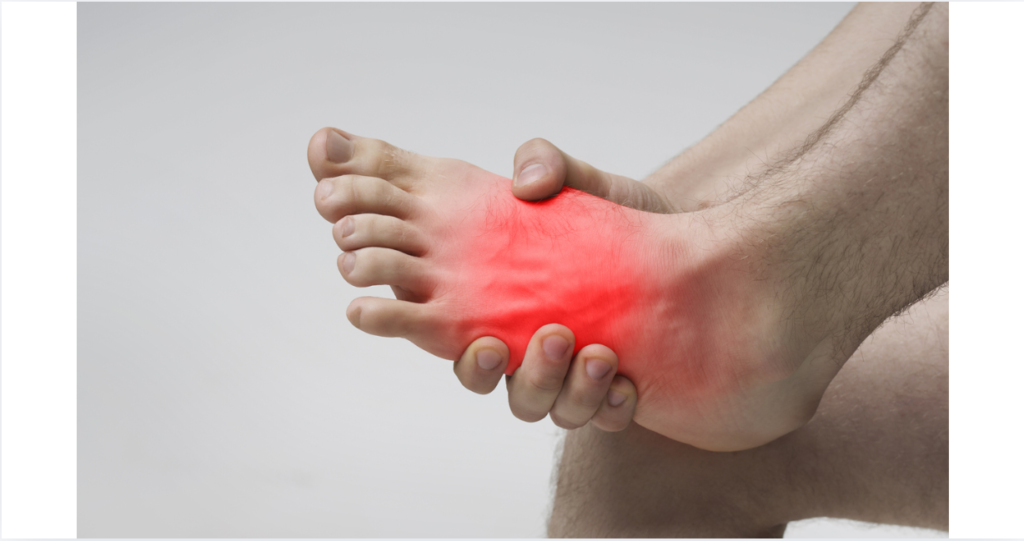
Featured Snippet: What causes foot pain?
Foot pain can be caused by injury, overuse, nerve compression, poor circulation, arthritis, infections, or biomechanical issues affecting bones, muscles, and soft tissues.
Major Causes of Foot Pain
1. Musculoskeletal Causes
These are among the most common sources of foot pain.
Common conditions
- Plantar fasciitis
- Muscle strain
- Tendonitis (Achilles tendon)
- Ligament injuries
Symptoms
- Sharp or aching pain
- Pain with walking or standing
- Morning stiffness (especially in plantar fasciitis)
Featured Snippet: What is the most common cause of foot pain?
Plantar fasciitis is one of the most common causes of foot pain, typically causing heel pain that is worse in the morning or after rest.
2. Peripheral neuropathy
Neurological causes occur when nerves in the feet are damaged or compressed.
Causes
- Diabetes
- Vitamin deficiencies
- Nerve compression
- Alcohol-related neuropathy
Symptoms
- Burning sensation
- Tingling or “pins and needles”
- Numbness
- Sharp, shooting pain
Featured Snippet: What does nerve-related foot pain feel like?
Nerve-related foot pain often feels like burning, tingling, or sharp electric-like sensations, sometimes accompanied by numbness.
3. Circulatory (Vascular) Causes
Reduced blood flow can lead to pain and discomfort.
Conditions involved
- Peripheral artery disease
- Poor circulation due to diabetes
- Blood clots (rare but serious)
Symptoms
- Cold feet
- Cramping during walking (claudication)
- Slow-healing wounds
4. Arthritis and Joint Disorders
Inflammation in foot joints can cause chronic pain.
Types
- Osteoarthritis (wear-and-tear)
- Rheumatoid arthritis (autoimmune)
- Gout (uric acid crystal buildup)
Symptoms
- Joint stiffness
- Swelling and redness
- Pain during movement
Featured Snippet: Can arthritis cause foot pain?
Yes, arthritis can cause foot pain through joint inflammation, stiffness, swelling, and reduced mobility.
5. Injuries and Trauma
Sudden foot pain may result from injury.
Examples
- Sprains
- Fractures
- Contusions
- Stress fractures
Symptoms
- Sudden sharp pain
- Swelling
- Bruising
- Difficulty bearing weight
6. Skin and Soft Tissue Conditions
Foot pain can also originate from skin-level issues.
Common causes
- Blisters
- Calluses
- Fungal infections
- Ingrown toenails
Symptoms
- Localized tenderness
- Redness or swelling
- Pain when pressure is applied
7. Biomechanical Problems
Foot structure affects how pressure is distributed.
Examples
- Flat feet (pes planus)
- High arches
- Improper footwear
Effects
- Uneven pressure distribution
- Chronic strain on muscles and ligaments
- Pain in feet, ankles, or even knees
Red Flag Symptoms of Foot Pain
Seek medical attention if you experience:
- Severe swelling or redness
- Inability to bear weight
- Sudden numbness or weakness
- Non-healing wounds
- Signs of infection (pus, fever)
Featured Snippet: When is foot pain serious?
Foot pain is serious when it is sudden, severe, associated with swelling, numbness, infection, or inability to walk, as it may indicate nerve, vascular, or bone problems.
Diagnostic Approach
1. Clinical examination
- Pain location
- Walking pattern
- Joint mobility
2. Imaging tests
- X-ray (fractures, bone issues)
- MRI (soft tissue and nerves)
- Ultrasound (vascular issues)
3. Laboratory tests
- Blood glucose (diabetes)
- Inflammatory markers
- Uric acid (gout suspicion)
Management of Foot Pain
1. Conservative treatment
- Rest
- Ice or heat therapy
- Foot elevation
2. Medication
- Anti-inflammatory drugs
- Pain relievers
- Neuropathic pain medications
3. Physical therapy
- Stretching exercises
- Strengthening foot muscles
- Gait correction
4. Orthopedic support
- Insoles
- Proper footwear
- Braces or supports
Prevention Strategies
1. Wear supportive shoes
Reduces strain and pressure points.
2. Maintain healthy weight
Reduces load on feet.
3. Regular foot care
- Inspect feet daily
- Keep skin moisturized
4. Manage chronic conditions
Especially diabetes and arthritis.
Internal Linking Opportunities
This topic connects well with:
- Neuropathy and diabetes complications
- Circulatory system disorders
- Arthritis and joint inflammation
- Musculoskeletal injuries
- Gait and biomechanics
Conclusion
Foot pain is a complex symptom with many possible causes ranging from simple strain to serious neurological or vascular conditions. Understanding the type and pattern of pain is essential for accurate diagnosis and effective treatment.
Early attention to warning signs can help prevent complications and maintain mobility and quality of life.
Important Disclaimer: This article is for educational purposes only and should not replace professional medical advice. Persistent or severe foot pain should be evaluated by a healthcare professional.