Meta Description: Discover the most important blood and urine biomarkers, what they reveal about your health, and how they help detect disease, inflammation, organ dysfunction, and metabolic imbalance.
Modern medicine relies heavily on laboratory biomarkers to assess health status and detect disease early. Blood and urine tests provide critical information about organ function, metabolism, immune activity, hydration, and nutritional balance.
These biomarkers act like biological “signals,” helping clinicians understand what may be happening inside the body—even before symptoms appear.
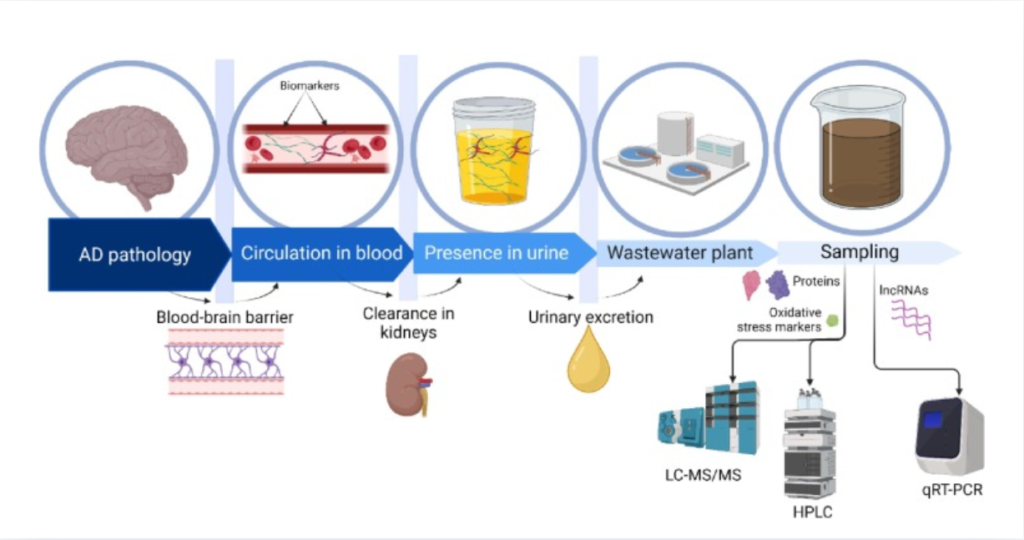
Featured Snippet: What are biomarkers in blood and urine tests?
Biomarkers are measurable substances in blood or urine that provide information about organ function, metabolism, inflammation, infection, and disease processes.
Why Biomarkers Are Important
Biomarkers help evaluate:
- Heart and vascular health
- Kidney and liver function
- Blood sugar regulation
- Immune and inflammatory activity
- Hormonal balance
- Nutritional status
1. Blood Glucose
What it measures
The amount of sugar circulating in the blood.
Why it matters
Glucose is the body’s primary energy source, but chronically elevated levels may damage blood vessels and organs.
High levels may suggest
- Diabetes mellitus
- Insulin resistance
- Metabolic syndrome
Featured Snippet: What does high blood glucose indicate?
High blood glucose may indicate diabetes, insulin resistance, or impaired metabolic regulation.
2. Hemoglobin
What it measures
The oxygen-carrying capacity of the blood.
Low hemoglobin may indicate
- Iron-deficiency anemia
- Blood loss
- Nutritional deficiencies
High hemoglobin may occur with
- Dehydration
- Chronic hypoxia
- Smoking-related changes
3. White Blood Cell Count (WBC)
What it measures
Immune system activity.
Elevated WBC may suggest
- Infection
- Inflammation
- Physiological stress
Low WBC may suggest
- Bone marrow disorders
- Viral infections
- Immune suppression
Featured Snippet: Why is white blood cell count important?
White blood cell count helps evaluate immune system activity and may indicate infection, inflammation, or immune dysfunction.
4. Lipid Profile
Includes
- LDL cholesterol
- HDL cholesterol
- Triglycerides
Why it matters
Abnormal lipid levels increase cardiovascular disease risk.
Common findings
- High LDL → increased plaque formation risk
- Low HDL → reduced vascular protection
- High triglycerides → metabolic imbalance
5. Liver Enzymes
Key biomarkers
- ALT
- AST
- Bilirubin
- Alkaline phosphatase (ALP)
Elevated levels may indicate
- Fatty liver disease
- Hepatitis
- Liver inflammation or injury
Featured Snippet: What do elevated liver enzymes mean?
Elevated liver enzymes may indicate liver inflammation, fatty liver disease, infection, or liver cell injury.
6. Kidney Function Biomarkers
Main markers
- Creatinine
- Blood urea nitrogen (BUN)
- eGFR
Why they matter
These markers assess how well the kidneys filter waste from the blood.
Abnormal results may indicate
- Kidney disease
- Dehydration
- Impaired renal filtration
7. Urine Protein
What it measures
Protein leakage into urine.
Why it matters
Healthy kidneys normally prevent significant protein loss.
Protein in urine may suggest
- Kidney damage
- Diabetic nephropathy
- High blood pressure effects
Featured Snippet: Is protein in urine dangerous?
Protein in urine may indicate kidney damage and should be medically evaluated, especially in diabetes or hypertension.
8. Urine Glucose
What it measures
Glucose spilling into urine.
What it may indicate
- Poorly controlled diabetes
- Elevated blood glucose levels
Normally, urine contains little to no glucose.
9. Urine Ketones
What they indicate
Fat breakdown for energy.
Elevated ketones may occur with
- Fasting
- Low-carbohydrate diets
- Uncontrolled diabetes
Clinical concern
High ketones with high glucose may signal diabetic ketoacidosis.
10. Inflammatory Biomarkers
C-reactive protein (CRP)
- Indicates acute inflammation
- Elevated in infections and chronic disease
Erythrocyte sedimentation rate (ESR)
- Reflects ongoing inflammatory activity
Hormonal Biomarkers
Examples
- Thyroid hormones (TSH, T3, T4)
- Insulin
- Cortisol
- Estrogen and testosterone
Why they matter
Hormonal markers regulate metabolism, stress response, reproduction, and energy balance.
Nutritional Biomarkers
Common examples
- Vitamin D
- Vitamin B12
- Ferritin
- Folate
Why they matter
These biomarkers help detect nutritional deficiencies that may affect immunity, energy, and neurological function.
How Biomarkers Help Detect Disease Early
Laboratory patterns can reveal:
- Early diabetes
- Kidney dysfunction
- Cardiovascular risk
- Chronic inflammation
- Nutritional deficiencies
Often before severe symptoms develop.
Featured Snippet: Why are blood and urine biomarkers useful?
Blood and urine biomarkers are useful because they help detect disease early, monitor treatment, and assess organ and metabolic function.
Important Clinical Principle
Single abnormal values are not always diagnostic.
Healthcare providers interpret biomarkers based on:
- Symptoms
- Medical history
- Physical examination
- Trends over time
Internal Linking Opportunities
This topic connects well with:
- Diabetes and glucose metabolism
- Kidney and liver health
- Inflammation and immune response
- Cardiovascular risk assessment
- Nutritional deficiencies and anemia
Conclusion
Blood and urine biomarkers provide essential insight into the body’s internal balance and organ function. From glucose and hemoglobin to kidney markers and inflammatory proteins, these tests help identify disease, monitor health, and guide medical decision-making.
Understanding what these biomarkers represent empowers individuals to better interpret health information and support preventive care.
Important Disclaimer: This article is for educational purposes only and should not replace professional medical advice. Laboratory results should always be interpreted by a qualified healthcare professional.