Meta Description: Learn how thyroid health influences metabolism, energy, hormones, and overall wellness, along with lifestyle strategies that may support healthy thyroid function.
The thyroid is a small butterfly-shaped gland located in the neck, yet it plays a major role in regulating metabolism, energy production, temperature control, and hormonal balance. Even subtle changes in thyroid function can affect multiple systems throughout the body.
Supporting thyroid health involves a combination of balanced nutrition, stress regulation, sleep, and appropriate medical care when needed.
Featured Snippet: What does the thyroid gland do?
The thyroid gland produces hormones that regulate metabolism, energy production, body temperature, heart rate, and many essential bodily functions.
Understanding the Thyroid Gland
The thyroid produces two primary hormones:
- T4 (thyroxine)
- T3 (triiodothyronine)
These hormones influence how cells use energy.
Key functions of thyroid hormones
- Regulate metabolic rate
- Support brain and nervous system function
- Influence heart activity
- Affect digestion and body temperature
- Support growth and development
Hormonal Balance and the Thyroid
Thyroid function depends on coordination between:
- The hypothalamus
- The pituitary gland
- The thyroid gland
This is known as the hypothalamic-pituitary-thyroid (HPT) axis.
Important biomarker
Thyroid-stimulating hormone (TSH)
TSH helps regulate thyroid hormone production.
Common Thyroid Imbalances
1. Hypothyroidism
Occurs when
The thyroid produces insufficient hormones.
Common symptoms
- Fatigue
- Weight gain
- Cold intolerance
- Dry skin
- Constipation
- Slowed metabolism
Featured Snippet: What are signs of hypothyroidism?
Common signs of hypothyroidism include fatigue, weight gain, dry skin, cold intolerance, and slowed metabolism.
2. Hyperthyroidism
Occurs when
The thyroid produces excessive hormones.
Common symptoms
- Rapid heartbeat
- Anxiety
- Weight loss
- Heat intolerance
- Tremors
- Increased sweating
Featured Snippet: What are signs of hyperthyroidism?
Symptoms of hyperthyroidism may include weight loss, rapid heartbeat, anxiety, sweating, and increased metabolism.
Nutrients Important for Thyroid Health
1. Iodine
Role
Essential for thyroid hormone production.
Sources
- Seafood
- Dairy products
- Iodized salt
2. Selenium
Role
Supports thyroid hormone activation and antioxidant defense.
Sources
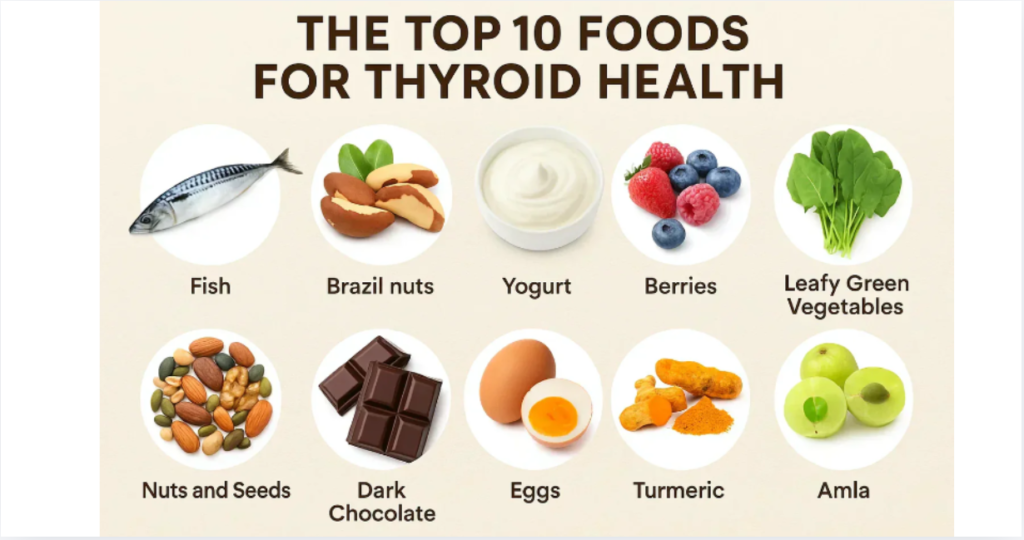
- Brazil nuts
- Fish
- Eggs
3. Zinc
Role
Supports hormone metabolism and immune function.
Sources
- Meat
- Legumes
- Nuts and seeds
4. Iron
Role
Important for thyroid hormone synthesis.
Low iron may worsen fatigue and thyroid dysfunction.
Featured Snippet: Which nutrients support thyroid function?
Iodine, selenium, zinc, iron, and protein are important nutrients that support healthy thyroid hormone production and metabolism.
The Thyroid and Metabolism
Thyroid hormones strongly influence:
- Calorie burning
- Body temperature
- Energy production
- Fat and carbohydrate metabolism
Effects of imbalance
Low thyroid activity
- Slower metabolism
- Fatigue
- Weight gain tendency
High thyroid activity
- Accelerated metabolism
- Muscle breakdown
- Unintentional weight loss
Stress and Thyroid Function
Chronic stress may affect thyroid balance indirectly.
How stress influences the thyroid
- Alters cortisol levels
- Affects HPT axis signaling
- May worsen fatigue and inflammation
Sleep and Hormonal Regulation
Adequate sleep supports endocrine balance.
Poor sleep may contribute to
- Hormonal dysregulation
- Increased stress response
- Fatigue and metabolic disruption
Exercise and Thyroid Health
Moderate physical activity supports:
- Metabolic efficiency
- Cardiovascular health
- Energy regulation
Important note
Severe fatigue or untreated thyroid disease may require medical evaluation before intense exercise.
Foods and Thyroid Function
A balanced dietary pattern is generally most important.
Helpful focus areas
- Whole foods
- Adequate protein
- Anti-inflammatory foods
- Micronutrient-rich vegetables
Important caution
Extremely restrictive diets may negatively affect hormone balance.
When to Seek Medical Evaluation
Consult a healthcare professional if symptoms persist such as:
- Chronic fatigue
- Unexplained weight changes
- Hair thinning
- Persistent cold or heat intolerance
- Irregular heartbeat
- Neck swelling
Featured Snippet: How is thyroid disease diagnosed?
Thyroid disorders are diagnosed using blood tests such as TSH, T3, and T4 levels, along with clinical evaluation and sometimes thyroid imaging.
Internal Linking Opportunities
This topic connects well with:
- Hormonal balance and endocrine health
- Metabolism and energy regulation
- Stress physiology and cortisol
- Nutritional deficiencies
- Autoimmune disorders and inflammation
Conclusion
Thyroid health is central to metabolism, energy balance, and hormonal regulation throughout the body. Nutritional support, sleep quality, stress management, and medical monitoring all contribute to maintaining healthy thyroid function.
Recognizing symptoms early and addressing lifestyle factors can help support long-term metabolic and endocrine wellness.
Important Disclaimer: This article is for educational purposes only and should not replace professional medical advice. Anyone experiencing symptoms of thyroid dysfunction should consult a qualified healthcare provider for proper evaluation and diagnosis.