Meta Description: Understand how lung cancer affects breathing, gas exchange, airway function, and overall respiratory health, along with key symptoms and clinical consequences.
The lungs are essential organs responsible for oxygen intake and carbon dioxide removal. When cancer develops in lung tissue, it can significantly disrupt respiratory function, leading to progressive breathing difficulties and systemic effects on the body.
Lung cancer affects not only local lung structures but also the efficiency of oxygen delivery throughout the entire body.
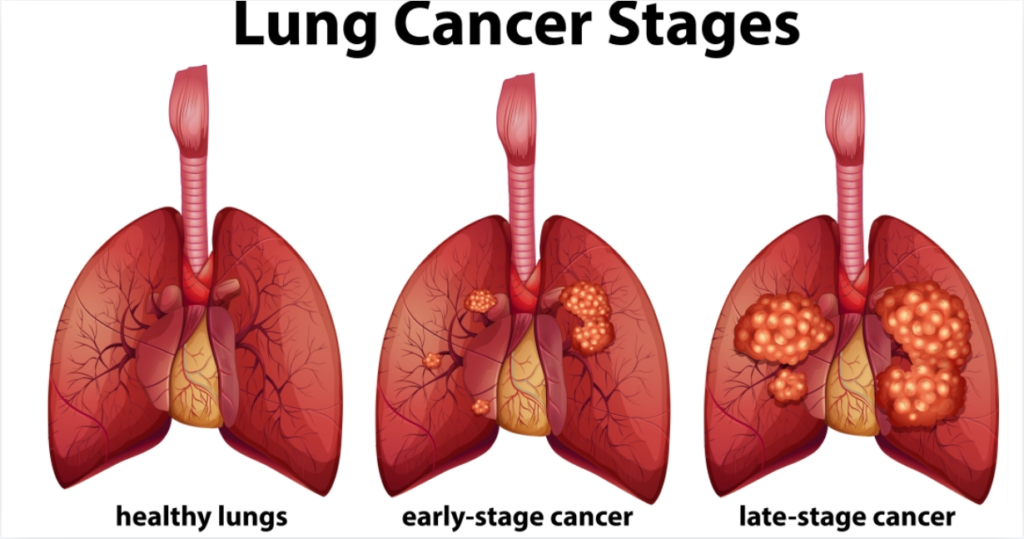
Featured Snippet: How does lung cancer affect breathing?
Lung cancer affects breathing by blocking airways, reducing lung capacity, damaging lung tissue, and impairing oxygen exchange, which can lead to shortness of breath and reduced oxygen levels.
Understanding Normal Respiratory Function
Healthy lungs perform three main roles:
- Air intake through airways
- Gas exchange in alveoli
- Oxygen transport to tissues via blood
Any disruption in these processes can impair whole-body function.
How Lung Cancer Disrupts Airflow
1. Airway obstruction
Tumors may grow inside or near airways.
Effects:
- Reduced airflow
- Wheezing
- Persistent cough
- Difficulty breathing
2. Reduced lung capacity
As tumors expand:
- Functional lung tissue decreases
- Breathing becomes shallow
- Exercise tolerance drops
Featured Snippet: Why does lung cancer cause shortness of breath?
Lung cancer causes shortness of breath because tumors can block airways, reduce lung capacity, and limit oxygen exchange in the lungs.
Impaired Gas Exchange
Gas exchange occurs in alveoli, tiny air sacs in the lungs.
How cancer affects this process
- Tumor invasion damages alveolar structures
- Fluid accumulation may occur (pleural effusion)
- Oxygen diffusion becomes less efficient
Consequences
- Low blood oxygen levels (hypoxemia)
- Fatigue
- Confusion in severe cases
Chronic Cough and Airway Irritation
Causes
- Tumor irritation of airway lining
- Inflammation
- Blocked mucus clearance
Symptoms
- Persistent cough
- Coughing up blood (hemoptysis)
- Increased mucus production
Chest Pain and Pressure
Mechanisms
- Tumor invasion of chest wall
- Pleural involvement
- Pressure on nerves
Symptoms
- Sharp or dull chest pain
- Pain worsened by breathing or coughing
Reduced Oxygen Delivery to the Body
When lung function declines:
- Oxygen transport decreases
- Organs receive less oxygen
- Systemic fatigue develops
Featured Snippet: What happens when lungs cannot supply enough oxygen?
When the lungs cannot supply enough oxygen, the body experiences fatigue, shortness of breath, confusion, and reduced organ function due to hypoxia.
Systemic Effects of Lung Cancer on Respiration
1. Fatigue
- Due to reduced oxygen supply
- Energy metabolism becomes less efficient
2. Weight loss
- Increased metabolic demand
- Reduced appetite
3. Recurrent infections
- Impaired airway clearance
- Reduced lung defense mechanisms
Pleural Complications
Cancer may spread to the pleura (lung lining).
Pleural effusion
- Fluid buildup around lungs
- Compression of lung tissue
- Increased breathlessness
Atelectasis
- Collapse of lung segments
- Reduced ventilation
Advanced Respiratory Compromise
In later stages:
- Severe shortness of breath at rest
- Dependence on oxygen therapy
- Reduced ability to perform daily activities
Risk Factors for Lung Cancer
1. Smoking
Primary risk factor.
2. Environmental exposure
- Air pollution
- Asbestos
- Industrial chemicals
3. Genetic predisposition
Family history may increase risk.
Diagnosis and Evaluation
Imaging tests
- Chest X-ray
- CT scan
- PET scan
Tissue confirmation
- Biopsy of lung tissue
- Cytology of sputum or fluid
Management and Respiratory Support
1. Medical treatment
- Surgery (early stages)
- Chemotherapy
- Radiotherapy
- Targeted therapy or immunotherapy
2. Symptom management
- Oxygen therapy
- Bronchodilators
- Pain control
3. Palliative respiratory care
- Breathing support
- Symptom relief strategies
Featured Snippet: Can lung cancer affect breathing early?
Yes, lung cancer can affect breathing early if tumors obstruct airways or cause inflammation, though symptoms may initially be mild or unnoticed.
Internal Linking Opportunities
This topic connects well with:
- Respiratory physiology and gas exchange
- Hypoxia and oxygen transport
- Chronic cough and airway diseases
- Smoking-related diseases
- Cancer progression and systemic effects
Conclusion
Lung cancer significantly impacts respiratory function by obstructing airways, reducing lung capacity, and impairing oxygen exchange. These changes lead to symptoms such as shortness of breath, chronic cough, chest pain, and systemic fatigue.
Early detection and treatment are essential to preserve lung function and improve quality of life.
Important Disclaimer: This article is for educational purposes only and should not replace professional medical advice. Anyone experiencing persistent respiratory symptoms should consult a healthcare provider promptly.