Meta Description: Learn the most common signs of vitamin and mineral deficiencies, what they may indicate, and how your body signals nutrient imbalances through physical symptoms.
Vitamins and minerals are essential micronutrients that support metabolism, immunity, energy production, and tissue repair. When the body lacks these nutrients, it often sends subtle—but important—warning signals.
Recognizing these signs early may help prevent long-term health complications and guide better nutritional choices.
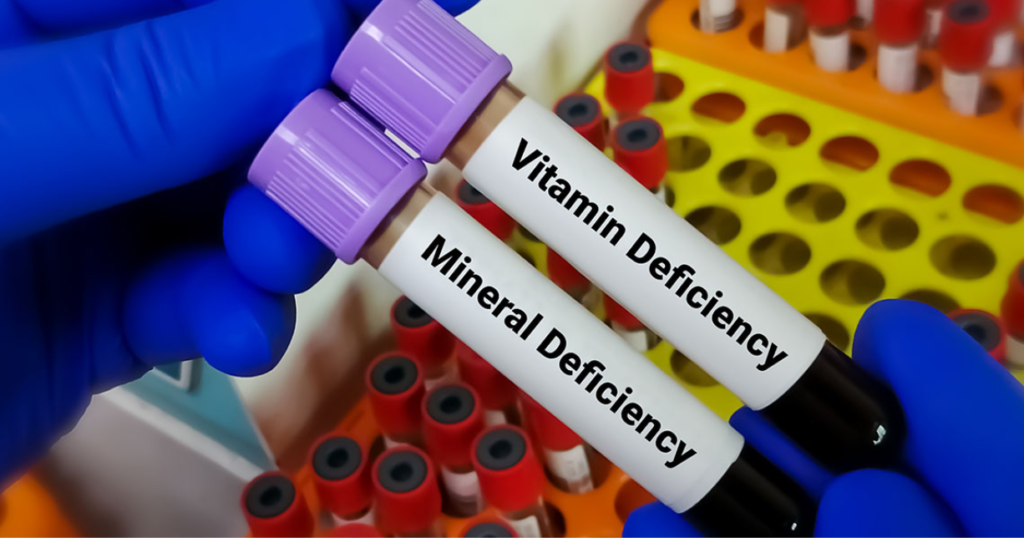
Featured Snippet: What are common signs of vitamin deficiencies?
Common signs of vitamin and mineral deficiencies include fatigue, hair loss, brittle nails, muscle cramps, pale skin, frequent infections, and poor concentration.
Why Nutrient Deficiencies Happen
Deficiencies may result from:
- Poor dietary intake
- Malabsorption issues
- Chronic illness
- Increased nutritional needs (pregnancy, growth, stress)
- Certain medications
1. Fatigue and Low Energy
One of the earliest and most common signs.
Possible deficiencies linked to fatigue
- Iron
- Vitamin B12
- Vitamin D
What it may feel like
- Constant tiredness
- Weakness
- Reduced stamina
Featured Snippet: What deficiency causes fatigue?
Fatigue is commonly linked to iron, vitamin B12, and vitamin D deficiencies, which affect oxygen transport, energy metabolism, and muscle function.
2. Hair Loss and Brittle Nails
Hair and nails are sensitive to nutritional changes.
Possible nutrient deficiencies
- Iron
- Zinc
- Biotin
- Protein
Signs
- Excessive hair shedding
- Weak or peeling nails
- Slow growth
3. Pale Skin and Poor Circulation
Skin color changes may reflect blood or oxygen issues.
Possible causes
- Iron deficiency anemia
- Vitamin B12 deficiency
Related condition
Iron-deficiency anemia
4. Muscle Cramps and Weakness
Muscle function depends on electrolyte balance.
Possible deficiencies
- Magnesium
- Calcium
- Potassium
Symptoms
- Night cramps
- Muscle twitching
- Weakness during activity
5. Frequent Infections
The immune system depends on adequate micronutrients.
Key nutrients involved
- Vitamin C
- Zinc
- Vitamin D
Signs
- Recurrent colds
- Slow wound healing
- Low resistance to illness
6. Poor Concentration and Brain Fog
Cognitive function is sensitive to nutrient balance.
Possible deficiencies
- Vitamin B12
- Iron
- Omega-3 fatty acids
Symptoms
- Difficulty focusing
- Memory issues
- Mental fatigue
7. Tingling or Numbness
Neurological symptoms may indicate nerve-related deficiencies.
Possible causes
- Vitamin B12 deficiency
- Vitamin B6 imbalance
Featured Snippet: What causes tingling in hands and feet?
Tingling or numbness in hands and feet may be caused by vitamin B12 deficiency, which affects nerve function and signal transmission.
8. Bone and Joint Pain
Bone health depends on specific micronutrients.
Key nutrients
- Vitamin D
- Calcium
- Phosphorus
Related condition
Osteoporosis
9. Cracked Lips and Mouth Issues
Oral health can reflect nutrient status.
Possible deficiencies
- Iron
- B vitamins (B2, B12)
Signs
- Cracked corners of the mouth
- Sore tongue
- Mouth ulcers
10. Mood Changes and Irritability
Mental health can be influenced by nutrient status.
Possible deficiencies
- Vitamin D
- Magnesium
- B vitamins
Symptoms
- Irritability
- Low mood
- Anxiety-like symptoms
Who Is Most at Risk?
Higher-risk groups include:
- People with poor dietary diversity
- Vegans (for B12)
- Elderly individuals
- Pregnant women
- People with digestive disorders
How to Address Deficiencies
1. Improve diet quality
- Whole foods
- Fruits and vegetables
- Lean proteins
- Healthy fats
2. Targeted supplementation
Only when needed and ideally based on medical testing.
3. Medical evaluation
Blood tests can confirm deficiencies accurately.
Featured Snippet: How do you know if you have a vitamin deficiency?
You may suspect a vitamin deficiency if you experience persistent fatigue, hair loss, muscle cramps, frequent illness, or cognitive changes, but diagnosis requires blood testing.
Important Warning
Self-diagnosis can be misleading because many symptoms overlap between different conditions. Professional evaluation is essential for accurate diagnosis and treatment.
Internal Linking Opportunities
This topic connects well with:
- Blood biomarkers and lab testing
- Immune system health
- Energy metabolism and fatigue
- Bone and joint health
- Cognitive function and nutrition
Conclusion
Vitamin and mineral deficiencies can affect nearly every system in the body, often showing up as fatigue, hair loss, cramps, mood changes, or cognitive difficulties. These symptoms are important signals that the body may need better nutritional support.
A balanced diet, proper testing, and targeted supplementation when necessary can help restore optimal health and prevent long-term complications.
Important Disclaimer: This article is for educational purposes only and should not replace professional medical advice. If you suspect a nutrient deficiency, consult a qualified healthcare provider for proper evaluation and treatment.