Meta Description: Learn how to prevent anemia through balanced intake of iron, vitamin B12, and folate, and discover key foods that support healthy red blood cell production.
Anemia is a condition characterized by a reduced ability of the blood to carry oxygen, most often due to deficiencies in essential nutrients required for red blood cell production. The three most important nutrients involved are iron, vitamin B12, and folate.
Early nutritional prevention is one of the most effective ways to maintain healthy blood formation and prevent fatigue, weakness, and other anemia-related symptoms.
Featured Snippet: How can you prevent anemia naturally?
You can help prevent anemia by consuming iron-rich foods, ensuring adequate vitamin B12 and folate intake, and maintaining a balanced diet that supports red blood cell production.
Understanding Anemia
Anemia occurs when the body does not have enough healthy red blood cells or hemoglobin to carry oxygen efficiently.
A key form is Iron-deficiency anemia, but deficiencies in B12 and folate can also contribute.
1. Iron: The Oxygen Carrier Mineral
Iron is essential for hemoglobin production.
Best dietary sources of iron
Heme iron (better absorbed)
- Red meat
- Poultry
- Fish
Non-heme iron
- Lentils
- Beans
- Spinach
- Fortified cereals
Absorption tip
Vitamin C-rich foods (like citrus fruits) improve iron absorption.
Featured Snippet: What foods are best for iron deficiency prevention?
Iron-rich foods include red meat, poultry, fish, lentils, beans, and leafy green vegetables, especially when paired with vitamin C sources.
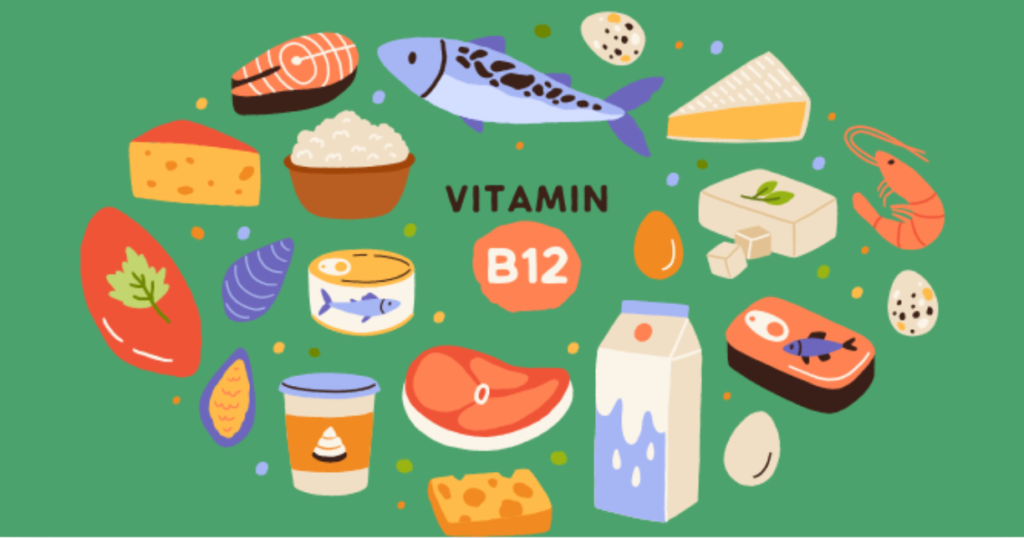
2. Vitamin B12: Essential for Blood Formation
Vitamin B12 is critical for healthy red blood cell production and neurological function.
Sources of vitamin B12
- Meat
- Eggs
- Dairy products
- Fortified foods
Risk groups
- Vegans
- Older adults
- People with absorption issues
3. Folate: The Cell Builder
Folate (vitamin B9) supports DNA synthesis and red blood cell formation.
Food sources
- Leafy greens
- Citrus fruits
- Avocado
- Legumes
Featured Snippet: Why is folate important for anemia prevention?
Folate is important because it helps produce healthy red blood cells and supports DNA synthesis, reducing the risk of megaloblastic anemia.
How Iron, B12, and Folate Work Together
These three nutrients are interconnected:
- Iron builds hemoglobin
- Vitamin B12 supports cell division and nerve health
- Folate helps form new red blood cells
A deficiency in any one of them can disrupt normal blood formation.
Signs of Early Nutrient Imbalance
Early warning signs
- Persistent fatigue
- Pale skin
- Shortness of breath
- Dizziness
- Weakness
- Poor concentration
Foods That Help Prevent Anemia
1. Iron-rich foods
- Beef
- Chicken liver
- Lentils
- Spinach
2. Vitamin B12-rich foods
- Fish
- Eggs
- Dairy products
3. Folate-rich foods
- Broccoli
- Oranges
- Beans
- Leafy greens
Nutrient Absorption Tips
1. Combine iron with vitamin C
Improves absorption significantly.
2. Avoid inhibitors during meals
Limit:
- Excess tea or coffee with meals
- High-calcium supplements during iron intake
3. Cook smart
Cooking in cast iron cookware may slightly increase iron content in food.
Lifestyle Factors That Influence Blood Health
1. Balanced diet
Variety is key to preventing deficiencies.
2. Regular health checks
Blood tests can detect early deficiencies before symptoms worsen.
3. Digestive health
Proper absorption depends on gut health.
Featured Snippet: Can diet alone prevent anemia?
Yes, in many cases a balanced diet rich in iron, vitamin B12, and folate can help prevent anemia, but some individuals may still require supplementation due to absorption issues.
When Supplementation May Be Needed
Medical supplementation may be necessary if:
- Deficiencies are confirmed by blood tests
- Dietary intake is insufficient
- Absorption is impaired
- Increased physiological needs exist (pregnancy, illness)
Internal Linking Opportunities
This topic connects well with:
- Red blood cell physiology
- Fatigue and energy metabolism
- Nutrient deficiencies overview
- Digestive absorption and gut health
- Immune system support
Conclusion
Preventing anemia starts with a balanced intake of iron, vitamin B12, and folate, which work together to support healthy red blood cell production. A nutrient-rich diet, proper absorption strategies, and regular health monitoring can significantly reduce the risk of deficiency-related anemia.
Important Disclaimer: This article is for educational purposes only and should not replace professional medical advice. Individuals experiencing symptoms of anemia should consult a healthcare provider for proper testing and treatment.