Meta Description: Learn about nonalcoholic fatty liver disease (NAFLD), including its causes, symptoms, risk factors, complications, and strategies for prevention and liver support.
Non-alcoholic fatty liver disease (NAFLD) is one of the most common liver conditions worldwide. It occurs when excess fat accumulates in liver cells in people who consume little or no alcohol.
Although NAFLD may remain silent for years, it can progress to inflammation, liver scarring, and serious metabolic complications if not addressed early.
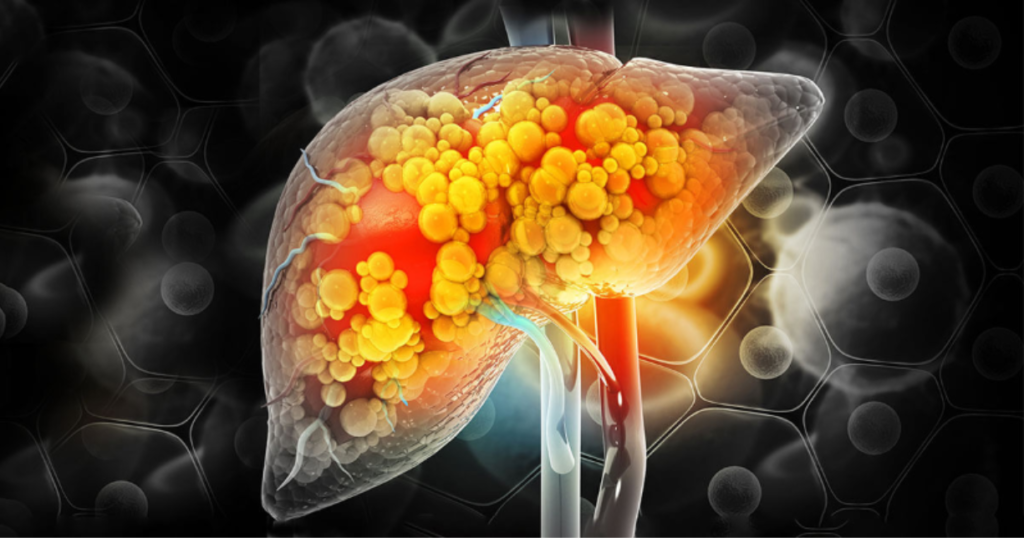
Featured Snippet: What is nonalcoholic fatty liver disease?
NAFLD is a condition where excess fat builds up in the liver in individuals who do not consume excessive alcohol, often linked to obesity, insulin resistance, and metabolic syndrome.
What Happens in NAFLD?
In NAFLD, fat gradually accumulates inside liver cells.
This can progress through stages:
- Simple fatty liver (steatosis)
- Liver inflammation
- Fibrosis (scar tissue formation)
- Cirrhosis in advanced cases
Related condition
Cirrhosis
Main Causes and Risk Factors
NAFLD is strongly linked to metabolic health.
1. Insulin Resistance
One of the most important underlying mechanisms.
How it contributes
When cells respond poorly to insulin:
- Fat metabolism becomes disrupted
- More fat accumulates in the liver
Related concept
Insulin resistance
2. Excess Body Weight
Especially abdominal obesity.
Why it matters
Excess body fat increases fatty acid delivery to the liver.
3. Poor Dietary Patterns
Certain eating habits may increase liver fat accumulation.
Examples
- Excess added sugars
- Highly processed foods
- Excess saturated fats
- Sugary beverages
4. Sedentary Lifestyle
Low physical activity reduces metabolic efficiency.
5. Type 2 Diabetes and Metabolic Syndrome
These conditions significantly raise NAFLD risk.
Featured Snippet: What causes NAFLD?
NAFLD is commonly caused by insulin resistance, obesity, poor diet, metabolic syndrome, and lack of physical activity.
Common Signs and Symptoms
Many people have no symptoms early on.
Possible symptoms include
- Fatigue
- Mild abdominal discomfort
- Feeling of fullness in the upper right abdomen
- Low energy levels
Why NAFLD Can Be Difficult to Detect
The disease often develops silently over years.
Many individuals are diagnosed after:
- Routine blood tests
- Ultrasound imaging
- Evaluation for elevated liver enzymes
Potential Complications
If inflammation develops, NAFLD may progress to:
- Liver fibrosis
- Cirrhosis
- Liver failure in severe cases
Related condition
Non-alcoholic steatohepatitis
Diagnosis of NAFLD
Healthcare providers may use:
Blood tests
- ALT and AST liver enzymes
- Lipid profile
- Blood glucose markers
Imaging studies
- Ultrasound
- CT scan
- MRI
Additional evaluation
Fibrosis assessment may help determine severity.
Featured Snippet: Can NAFLD be reversed?
In many cases, early-stage NAFLD may improve through weight loss, exercise, healthy diet changes, and improved metabolic control.
Prevention and Lifestyle Strategies
1. Maintain Healthy Weight
Even moderate weight reduction may improve liver fat levels.
2. Improve Dietary Quality
Focus on:
- Vegetables and fruits
- Whole grains
- Lean protein
- Healthy fats
Limit
- Sugary drinks
- Ultra-processed foods
- Excess saturated fat
3. Regular Physical Activity
Exercise helps improve insulin sensitivity and liver metabolism.
Helpful activities
- Walking
- Cycling
- Resistance training
4. Blood Sugar and Cholesterol Control
Managing metabolic health reduces liver stress.
5. Regular Medical Monitoring
Important for people with:
- Diabetes
- Obesity
- High triglycerides
- Family history of liver disease
When to Seek Medical Advice
Consult a healthcare provider if you have:
- Persistent fatigue
- Elevated liver enzymes
- Abdominal discomfort
- Metabolic syndrome risk factors
Internal Linking Opportunities
This topic connects well with:
- Insulin resistance and metabolic syndrome
- Liver function and bilirubin metabolism
- Cholesterol and triglyceride management
- Obesity and cardiovascular risk
- Preventive nutrition and exercise
Conclusion
NAFLD is a common but potentially serious liver condition linked closely to metabolic health and lifestyle factors. Because it often develops silently, early awareness and preventive action are essential.
Healthy nutrition, regular exercise, weight management, and metabolic control can significantly reduce risk and support long-term liver health.
Important Disclaimer: This article is for educational purposes only and should not replace professional medical advice. Individuals with liver-related symptoms or abnormal liver tests should seek professional medical evaluation.