Meta Description: Learn why lymphedema may cause itching, how fluid buildup affects the skin, and what symptoms and skin changes can occur with chronic lymphatic swelling.
Lymphedema occurs when lymph fluid accumulates in tissues due to disruption or dysfunction of the lymphatic system. This fluid buildup most commonly affects the arms or legs and can lead to swelling, heaviness, skin thickening, and itching.
Although swelling is the hallmark symptom, many people with lymphedema also experience persistent skin irritation and discomfort.
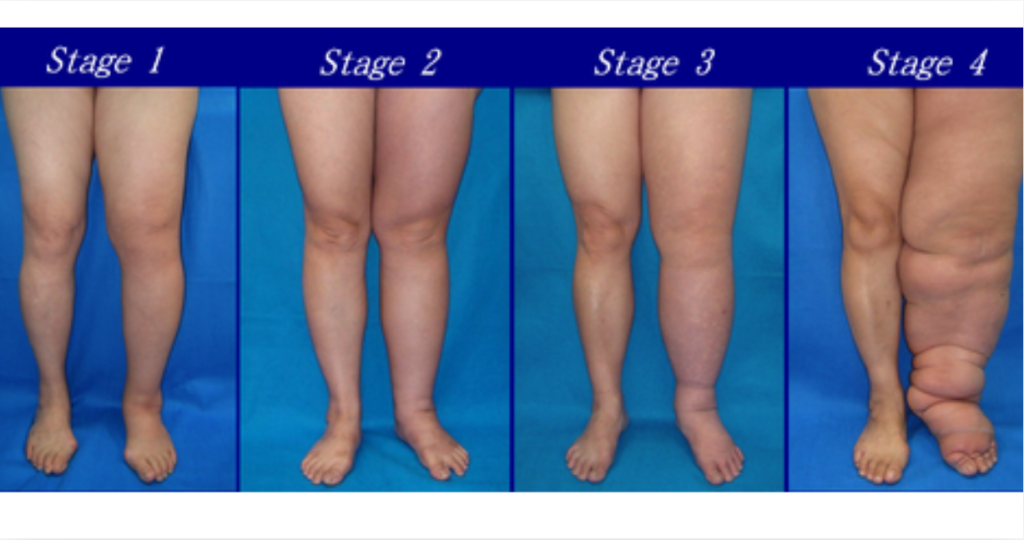
Featured Snippet: Why does lymphedema cause itching?
Lymphedema may cause itching because trapped lymph fluid stretches and irritates the skin, leading to dryness, inflammation, reduced skin barrier function, and increased sensitivity.
Understanding the Lymphatic System
The lymphatic system helps:
- Remove excess tissue fluid
- Support immune function
- Transport proteins and waste products
When lymph flow becomes blocked or impaired, fluid accumulates in tissues.
How Lymphedema Affects the Skin
Chronic swelling places stress on the skin and surrounding tissues.
Over time, this may lead to:
- Skin stretching
- Dryness
- Thickening
- Inflammation
- Reduced oxygen and nutrient delivery
Main Reasons Lymphedema Causes Itching
1. Skin Stretching and Irritation
As fluid accumulates, the skin becomes stretched and more sensitive.
Effects include
- Tightness
- Tingling sensations
- Persistent itching
2. Dry Skin and Barrier Dysfunction
Swollen skin may lose moisture more easily.
Result
The skin barrier becomes weakened, increasing irritation and itchiness.
Featured Snippet: Can swelling cause itchy skin?
Yes, chronic swelling can stretch and dry the skin, leading to irritation, inflammation, and itching.
3. Inflammation in Tissues
Lymph stagnation may promote low-grade inflammation.
Possible effects
- Redness
- Warmth
- Irritated nerve endings
4. Reduced Skin Circulation
Fluid pressure can affect local circulation and skin health.
Consequences
- Poor tissue nutrition
- Increased skin sensitivity
- Slower healing
5. Skin Thickening and Fibrosis
Long-standing lymphedema may cause structural skin changes.
Possible signs
- Thickened skin
- Rough texture
- Hardened areas
Common Skin Changes Seen in Lymphedema
Early changes
- Mild swelling
- Tight or shiny skin
- Itching or tingling
Advanced changes
- Thickened skin
- Hyperpigmentation
- Cracked skin
- Increased infection risk
Infection Risk and Itching
Damaged skin is more vulnerable to infection.
Related concern
Cellulitis
Warning signs of infection
- Increased redness
- Warmth
- Fever
- Rapid swelling
- Pain
Featured Snippet: Is itching in lymphedema dangerous?
Itching itself is not always dangerous, but persistent irritation or skin breakdown may increase infection risk and should be monitored carefully.
Areas Commonly Affected
Lymphedema most often affects:
- Legs
- Arms
- Hands
- Feet
Especially after surgery, radiation therapy, or lymph node removal.
Ways to Reduce Itching and Protect the Skin
1. Keep the Skin Moisturized
Fragrance-free moisturizers may help reduce dryness.
2. Avoid Scratching
Scratching may damage fragile skin and increase infection risk.
3. Compression Therapy
Compression garments may help improve lymph flow and reduce swelling.
4. Gentle Skin Care
- Mild cleansers
- Careful drying
- Protection from cuts or irritation
5. Physical Movement
Light activity can support lymphatic circulation.
Examples
- Walking
- Gentle stretching
- Physician-guided exercise
When to Seek Medical Evaluation
Seek medical attention if itching is accompanied by:
- Severe redness
- Skin breakdown
- Fever
- Sudden increase in swelling
- Pain or warmth
Featured Snippet: What skin problems occur with lymphedema?
Lymphedema may cause dry skin, thickening, discoloration, itching, cracking, and increased susceptibility to infections such as cellulitis.
Internal Linking Opportunities
This topic connects well with:
- Swelling and fluid balance
- Skin barrier health
- Circulatory and lymphatic disorders
- Cellulitis and infection prevention
- Chronic inflammation and tissue changes
Conclusion
Lymphedema-related itching occurs because chronic fluid accumulation affects skin structure, hydration, circulation, and inflammation. While mild itching is common, ongoing skin irritation requires careful management to prevent complications such as infection and skin breakdown.
Early care, compression support, and proper skin protection can help improve comfort and maintain tissue health.
Important Disclaimer: This article is for educational purposes only and should not replace professional medical advice. Individuals with worsening swelling, redness, or suspected infection should seek prompt medical evaluation.