Meta Description: Learn the common symptoms of liver dysfunction, possible underlying causes, and why early recognition is important for protecting long-term liver health.
The Liver is one of the body’s most vital organs. It plays a central role in metabolism, detoxification, digestion, hormone regulation, and nutrient storage. When liver function becomes impaired, a wide range of symptoms can develop throughout the body.
Because liver disease may progress silently in its early stages, understanding warning signs and risk factors is essential for timely medical evaluation.
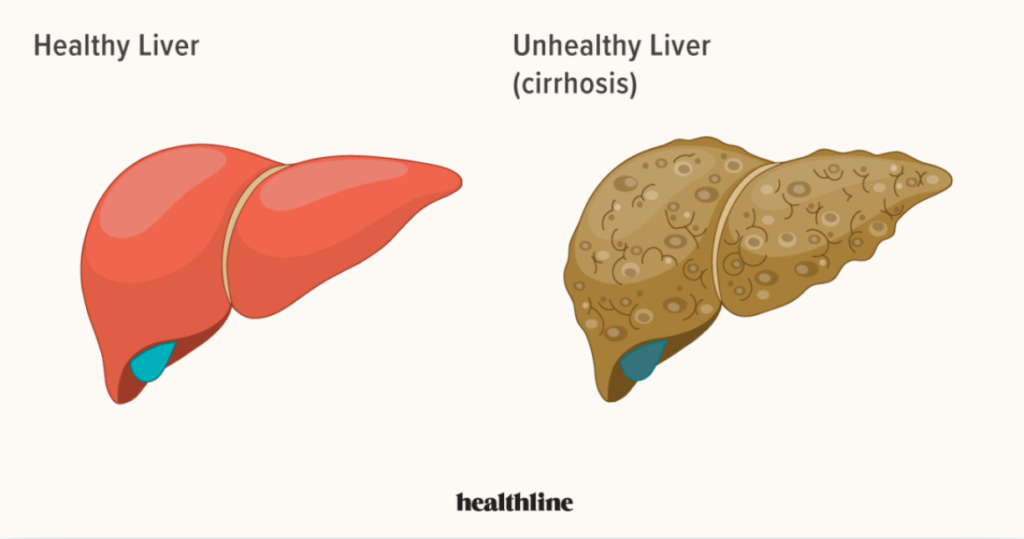
Featured Snippet: What are symptoms of liver dysfunction?
Common symptoms of liver dysfunction include fatigue, jaundice, dark urine, abdominal swelling, nausea, itching, pale stools, and unexplained weight changes.
What Does the Liver Do?
The liver performs hundreds of critical functions, including:
- Processing nutrients
- Producing bile for digestion
- Filtering toxins from blood
- Storing vitamins and glycogen
- Regulating cholesterol and hormones
When these functions are disrupted, symptoms may gradually appear.
Common Symptoms of Liver Dysfunction
1. Fatigue and Weakness
Persistent tiredness is one of the most common early signs.
Why it happens
Impaired metabolism and toxin processing may reduce overall energy levels.
2. Jaundice
Jaundice
Signs include
- Yellowing of skin
- Yellowing of eyes
Cause
Bilirubin builds up when the liver cannot process it properly.
Featured Snippet: Why does liver disease cause yellow skin?
Liver dysfunction may cause jaundice because bilirubin accumulates in the blood when the liver cannot process or excrete it efficiently.
3. Dark Urine and Pale Stool
Changes in bile flow can alter urine and stool color.
Possible signs
- Dark brown urine
- Light or clay-colored stool
4. Abdominal Swelling or Pain
Fluid accumulation may occur in advanced disease.
Common location
- Upper right abdomen
- General abdominal bloating
5. Itching (Pruritus)
Bile salt accumulation may irritate the skin.
Symptoms
- Generalized itching
- Worsening at night in some cases
6. Nausea and Appetite Changes
Digestive symptoms are common.
Possible effects
- Reduced appetite
- Nausea
- Weight loss
7. Easy Bruising or Bleeding
The liver produces clotting-related proteins.
When function declines
Bruising and bleeding may occur more easily.
Common Causes of Liver Dysfunction
1. Fatty Liver Disease
Fat accumulation inside liver cells may impair function.
Related condition
Non-alcoholic fatty liver disease
2. Viral Hepatitis
Hepatitis
Effects
Inflammation damages liver tissue over time.
3. Excessive Alcohol Use
Alcohol can progressively injure liver cells.
Potential outcomes
- Fatty liver
- Alcoholic hepatitis
- Cirrhosis
4. Medication or Toxin Injury
Some substances may damage liver tissue.
Examples
- Certain medications
- Toxic chemicals
- Drug-induced liver injury
5. Autoimmune and Metabolic Disorders
Some diseases cause immune or metabolic attacks on the liver.
Advanced Liver Dysfunction
Severe or chronic liver disease may lead to:
- Fluid retention (ascites)
- Mental confusion (hepatic encephalopathy)
- Internal bleeding
- Liver failure
Related condition
Cirrhosis
Featured Snippet: What causes liver dysfunction?
Liver dysfunction may result from fatty liver disease, hepatitis, alcohol-related damage, toxins, medications, autoimmune disease, or metabolic disorders.
How Liver Dysfunction Is Diagnosed
Healthcare providers may use:
Blood tests
- Liver enzymes (ALT, AST)
- Bilirubin
- Albumin
Imaging
- Ultrasound
- CT scan
- MRI
Additional procedures
- Fibrosis assessment
- Liver biopsy in some cases
Lifestyle Habits That Support Liver Health
Helpful strategies
- Maintain healthy body weight
- Limit alcohol intake
- Eat balanced meals
- Stay physically active
- Avoid unnecessary toxin exposure
When to Seek Medical Attention
Consult a healthcare provider if symptoms include:
- Persistent jaundice
- Severe abdominal swelling
- Confusion
- Vomiting blood
- Ongoing fatigue or dark urine
Internal Linking Opportunities
This topic connects well with:
- Bilirubin metabolism and jaundice
- Fatty liver disease
- Hepatitis and viral infections
- Digestive and metabolic health
- Blood biomarkers and liver function tests
Conclusion
Liver dysfunction can affect many systems in the body, often causing fatigue, jaundice, digestive changes, and metabolic imbalance. Because symptoms may develop gradually, early recognition and medical evaluation are essential.
Healthy lifestyle habits and timely diagnosis can play an important role in protecting long-term liver function and overall health.
Important Disclaimer: This article is for educational purposes only and should not replace professional medical advice. Persistent liver-related symptoms require evaluation by a qualified healthcare provider.