Meta Description: Learn the difference between AST and ALT liver enzymes, what elevated levels mean, and how they reflect liver health, inflammation, and overall metabolic function.
The liver plays a central role in metabolism, detoxification, and nutrient processing. When liver cells are damaged or stressed, certain enzymes leak into the bloodstream—most notably AST and ALT. These markers are commonly measured in routine blood tests to assess liver health.
Although both enzymes are related to liver function, they are not identical, and their patterns can provide important clinical clues.
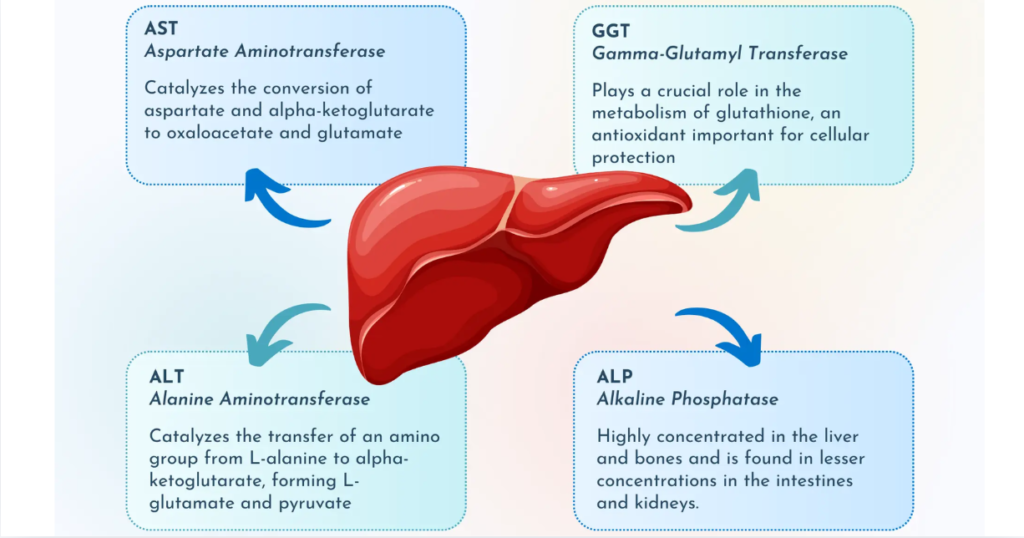
Featured Snippet: What is the difference between AST and ALT?
ALT is more specific to the liver and usually indicates liver cell damage, while AST is found in multiple organs and may reflect liver, muscle, or heart-related injury depending on the context.
What Are AST and ALT?
These enzymes are released into the blood when cells are damaged.
ALT (Alanine Aminotransferase)
Alanine aminotransferase (ALT)
- Primarily found in the liver
- More specific indicator of liver damage
- Often rises in liver inflammation
AST (Aspartate Aminotransferase)
Aspartate aminotransferase (AST)
- Found in liver, heart, muscles, kidneys
- Less specific than ALT
- Can rise due to multiple conditions
Why These Enzymes Are Important
AST and ALT help detect:
- Liver inflammation
- Liver cell injury
- Disease progression
- Response to treatment
Common Causes of Elevated AST and ALT
1. Fatty liver disease
Non-alcoholic fatty liver disease
Possible causes
- Obesity
- Insulin resistance
- Poor diet
- Metabolic syndrome
2. Alcohol-related liver injury
Excess alcohol intake can damage liver cells and elevate both enzymes.
3. Viral hepatitis
Hepatitis
May include hepatitis A, B, or C infections.
4. Medication or toxin exposure
Certain drugs may affect liver enzyme levels, including:
- Pain relievers (in high doses)
- Some antibiotics
- Herbal supplements
5. Muscle injury (especially AST)
Since AST is present in muscle tissue, injury or intense exercise may increase levels.
Interpreting AST vs ALT Ratios
The ratio between AST and ALT can provide clinical clues.
ALT higher than AST
Often seen in:
- Fatty liver disease
- Early liver inflammation
AST higher than ALT
May suggest:
- Alcohol-related liver disease
- Advanced liver damage
- Muscle-related injury (in some cases)
Featured Snippet: What does a high AST/ALT ratio mean?
A higher AST-to-ALT ratio may suggest alcohol-related liver injury or more advanced liver disease, but interpretation always depends on clinical context.
Other Liver Function Tests
AST and ALT are usually interpreted alongside other markers:
- Bilirubin
- Alkaline phosphatase (ALP)
- Albumin
- Prothrombin time
Related concept
Liver function tests
Symptoms That May Be Associated With Liver Issues
Elevated enzymes alone may not cause symptoms, but underlying liver problems can include:
- Fatigue
- Abdominal discomfort
- Nausea
- Yellowing of skin or eyes
- Dark urine
Related condition
Jaundice
When to Be Concerned
Seek medical evaluation if you have:
- Persistently elevated liver enzymes
- Symptoms of liver dysfunction
- Risk factors like obesity or alcohol use
- Known viral hepatitis exposure
How to Support Liver Health
Healthy lifestyle habits
- Maintain a balanced diet
- Limit alcohol intake
- Exercise regularly
- Maintain healthy body weight
- Avoid unnecessary medications or supplements
Related organ
Liver
Common Myths About AST and ALT
Myth: High enzymes always mean severe liver disease
Mild elevations can occur due to temporary or reversible causes.
Myth: Normal levels mean perfect liver health
Some liver conditions may exist even with normal enzyme levels.
Myth: Only alcohol affects liver enzymes
Many factors, including metabolic and viral conditions, can alter AST and ALT.
Internal Linking Opportunities
This topic connects well with:
- Fatty liver disease
- Hepatitis and viral infections
- Alcohol-related liver injury
- Metabolic syndrome
- Liver detoxification myths
Conclusion
AST and ALT are important markers that help assess liver health, but they must be interpreted together and in context. ALT is more liver-specific, while AST can reflect multiple tissues. Their levels, ratios, and associated tests provide valuable insight into liver function and overall metabolic health.
Understanding these enzymes helps individuals make sense of routine blood tests and encourages proactive attention to liver health.
Important Disclaimer: This article is for educational purposes only and should not replace professional medical advice. Abnormal liver enzyme results should always be evaluated by a qualified healthcare professional.