Meta Description: Learn the early warning signs of stroke, how to recognize sudden neurological changes, and why immediate action is critical for survival and recovery.
A Stroke occurs when blood flow to part of the brain is blocked or when a blood vessel ruptures. Because brain cells begin to die within minutes, stroke is a time-critical medical emergency.
Recognizing early warning signs can make the difference between full recovery, long-term disability, or death.
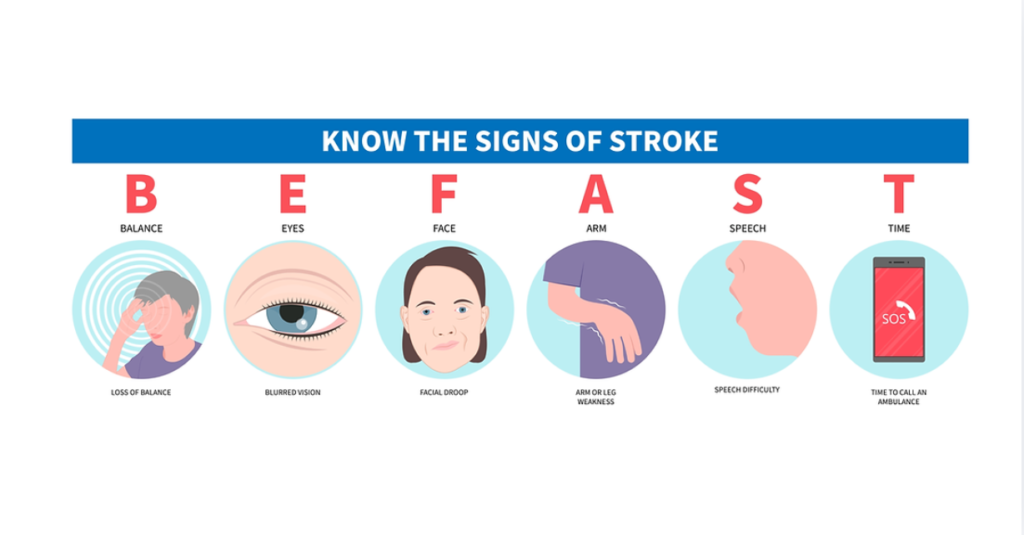
Featured Snippet: What are the early warning signs of a stroke?
Early signs of stroke include sudden facial drooping, arm weakness, speech difficulty, vision problems, dizziness, severe headache, and loss of balance. These symptoms appear suddenly and require immediate medical attention.
The FAST Test: Quick Stroke Recognition
One of the most widely used tools to recognize stroke is the FAST acronym.
F — Face drooping
- One side of the face may appear uneven
- Smile may look lopsided
A — Arm weakness
- One arm may drift downward when raised
- Weakness or numbness on one side of the body
S — Speech difficulty
- Slurred or strange speech
- Difficulty finding words or understanding speech
T — Time to call emergency services
Immediate action is essential. Delays can increase brain damage.
Other Early Warning Signs of Stroke
Sudden vision problems
- Blurred vision
- Loss of vision in one or both eyes
- Double vision
Sudden severe headache
A sudden, intense headache with no clear cause may indicate a serious type of stroke.
Loss of balance or coordination
- Dizziness
- Difficulty walking
- Loss of coordination
- Feeling unsteady
Sudden confusion
- Trouble understanding speech
- Disorientation
- Difficulty thinking clearly
Types of Stroke
Understanding stroke types helps explain symptoms and urgency.
Ischemic stroke
Ischemic stroke
- Most common type
- Caused by blood clots or narrowed arteries
Hemorrhagic stroke
Hemorrhagic stroke
- Caused by ruptured blood vessels
- Often associated with high blood pressure
Transient ischemic attack (TIA)
Transient ischemic attack
- Symptoms resolve within minutes to hours
- Strong warning sign of future stroke risk
Featured Snippet: What is a mini-stroke?
A transient ischemic attack (TIA) is a temporary blockage of blood flow to the brain that causes stroke-like symptoms but does not cause permanent damage. It is a major warning sign of future stroke.
Risk Factors for Stroke
Non-modifiable risks
- Age
- Family history
- Previous stroke or TIA
Modifiable risks
- High blood pressure
- Diabetes
- High cholesterol
- Smoking
- Obesity
- Sedentary lifestyle
Related condition
Hypertension
Why Time Matters: The Brain Clock
During a stroke:
- Brain cells begin dying within minutes
- The longer blood flow is interrupted, the greater the damage
- Early treatment can restore blood flow and limit disability
What to Do If You Suspect a Stroke
Immediate actions
- Call emergency services immediately
- Do not wait for symptoms to improve
- Note the time symptoms started
- Keep the person safe and comfortable
What NOT to do
- Do not give food or drink
- Do not delay seeking help
- Do not attempt self-treatment
Possible Stroke Complications
If not treated quickly, stroke can lead to:
- Paralysis
- Speech difficulties
- Memory problems
- Permanent disability
- Death
Stroke Prevention Strategies
Healthy lifestyle habits
- Control blood pressure
- Maintain healthy weight
- Exercise regularly
- Avoid smoking
- Manage diabetes
Related concept
Cardiovascular health
Common Myths About Stroke
Myth: Stroke only happens in older adults
Stroke can occur at any age, though risk increases with age.
Myth: Symptoms are always dramatic
Some strokes present with subtle or mild symptoms that should still be taken seriously.
Myth: You should wait to see if symptoms improve
Stroke is always a medical emergency—waiting can cause irreversible damage.
Internal Linking Opportunities
This topic connects well with:
- Cardiovascular disease prevention
- Hypertension management
- Brain health and oxygen supply
- Emergency medical response
- Diabetes and vascular risk
Conclusion
Stroke is a life-threatening emergency where every minute counts. Early recognition of symptoms such as facial drooping, arm weakness, speech difficulty, vision changes, and sudden loss of balance can save lives and reduce long-term disability.
Understanding the FAST test and acting immediately can make a critical difference in outcomes.
Important Disclaimer: This article is for educational purposes only and should not replace professional medical advice. If stroke is suspected, seek emergency medical care immediately.