Meta Description: Learn the key symptoms of tonsillitis, its common causes, and when sore throat and swallowing pain may indicate a need for medical attention.
A sore throat is one of the most common complaints, but when it becomes severe or persistent, it may be linked to Tonsillitis. The tonsils are part of the immune system and help trap infections entering through the mouth and nose. When they become inflamed, they can cause significant discomfort and swallowing difficulty.
Understanding the symptoms can help distinguish simple throat irritation from a condition that may require medical care.
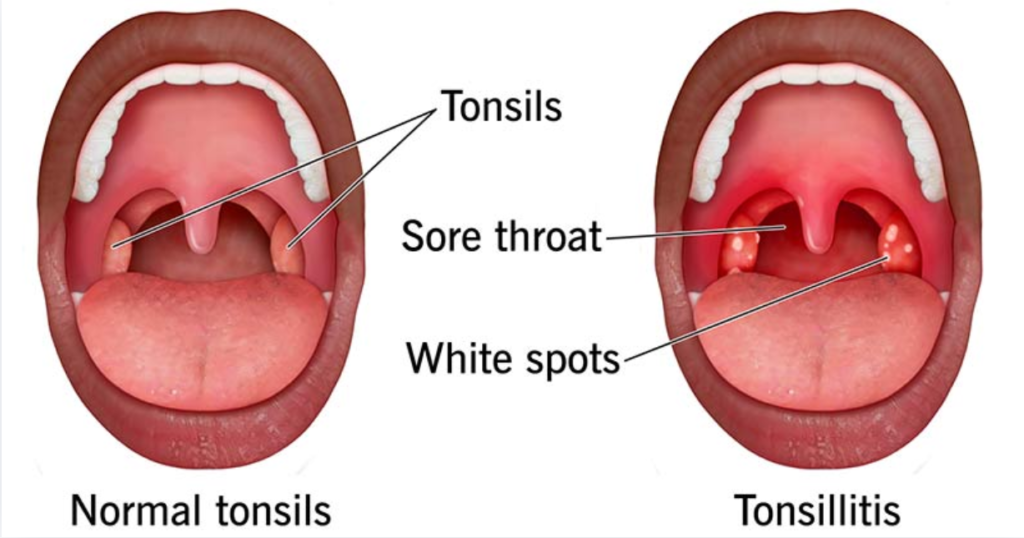
Featured Snippet: What are the symptoms of tonsillitis?
Common symptoms of tonsillitis include sore throat, difficulty swallowing, red and swollen tonsils, white or yellow patches on the tonsils, fever, bad breath, and swollen lymph nodes in the neck.
What Causes Tonsillitis?
Tonsillitis is usually caused by infections.
1. Viral infections
Most cases are caused by viruses, including those responsible for colds and flu.
Related condition
Common cold
2. Bacterial infections
The most common bacterial cause is streptococcal bacteria.
Related condition
Streptococcal pharyngitis
Key Symptoms of Tonsillitis
1. Sore throat
- Pain that worsens when swallowing
- Scratchy or burning sensation
2. Red, swollen tonsils
The tonsils may appear enlarged and inflamed.
3. White or yellow patches
May indicate pus or infection on the tonsils.
4. Difficulty swallowing
Swelling can make eating and drinking uncomfortable.
5. Fever and chills
More common in bacterial infections.
6. Swollen lymph nodes
Especially in the neck and jaw area.
7. Bad breath
Caused by bacterial buildup and infection.
Viral vs Bacterial Tonsillitis
Viral tonsillitis
- More common
- Milder symptoms
- Often resolves on its own
Bacterial tonsillitis
- More severe symptoms
- Higher fever
- May require antibiotics
Featured Snippet: How do you know if tonsillitis is bacterial?
Bacterial tonsillitis is more likely when symptoms include high fever, white patches on the tonsils, swollen lymph nodes, and no cough.
Possible Complications
If untreated, tonsillitis may lead to:
- Recurrent infections
- Abscess formation near the tonsils
- Difficulty breathing or swallowing (in severe cases)
Related condition
Peritonsillar abscess
When to Seek Medical Attention
Consult a healthcare professional if you experience:
- Severe or persistent sore throat
- High fever lasting more than a few days
- Difficulty breathing or swallowing
- Recurrent tonsillitis episodes
- Swelling on one side of the throat
Home Care and Symptom Relief
1. Rest and hydration
- Drink plenty of fluids
- Rest the voice and body
2. Warm saltwater gargles
May help reduce throat discomfort.
3. Pain relief
Over-the-counter medications may help reduce pain and fever (as advised by a healthcare provider).
4. Soft foods
- Soups
- Yogurt
- Mashed foods
Common Myths About Tonsillitis
Myth: Tonsillitis always requires antibiotics
Many cases are viral and resolve without antibiotics.
Myth: Only children get tonsillitis
Adults can also develop tonsillitis.
Myth: Removing tonsils weakens immunity
The body has many other immune defenses that compensate if tonsils are removed when medically necessary.
Internal Linking Opportunities
This topic connects well with:
- Sore throat and respiratory infections
- Streptococcal infections
- Immune system function
- Ear, nose, and throat (ENT) conditions
- Fever and infection management
Conclusion
Tonsillitis is a common condition that causes inflammation of the tonsils, leading to sore throat, difficulty swallowing, fever, and swollen lymph nodes. While many cases are viral and self-limiting, bacterial infections may require medical treatment.
Recognizing the symptoms early helps ensure appropriate care and prevents complications.
Important Disclaimer: This article is for educational purposes only and should not replace professional medical advice. Anyone experiencing severe, persistent, or worsening throat symptoms should consult a qualified healthcare professional.