Meta Description: Discover evidence-based strategies to support brain function, memory, focus, and long-term cognitive health through nutrition, sleep, exercise, and healthy lifestyle habits.
The brain is the body’s command center, controlling thought, memory, emotions, movement, and countless automatic functions. Just like the heart and muscles, the brain requires proper care to perform at its best throughout life.
Daily habits can significantly influence cognitive performance, mental clarity, and long-term brain health. By supporting the brain through nutrition, physical activity, sleep, and stress management, individuals can help maintain optimal function and reduce the risk of cognitive decline.
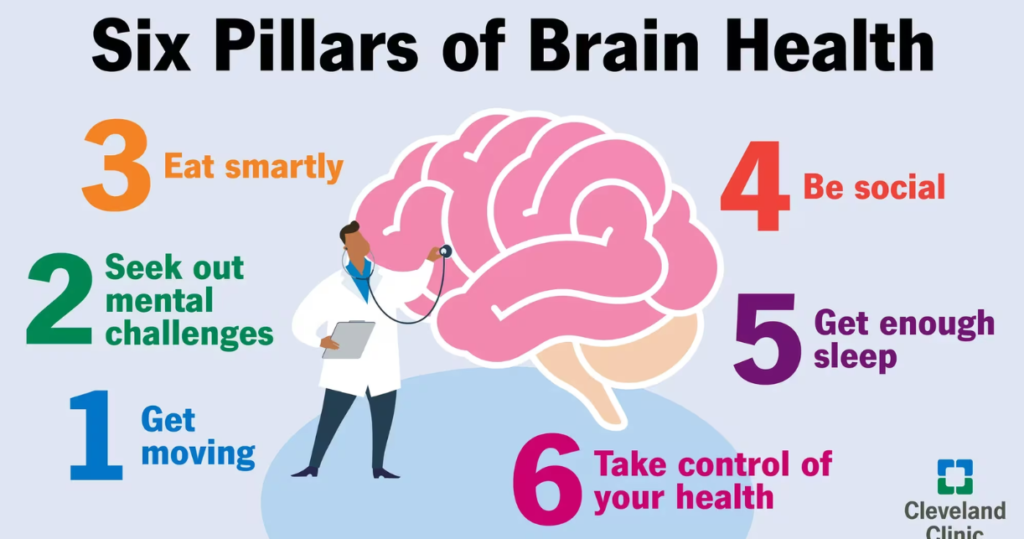
Featured Snippet: How can you support healthy brain function?
Healthy brain function is supported by quality sleep, regular physical activity, a nutrient-rich diet, stress management, mental stimulation, hydration, and maintaining cardiovascular health.
Why Brain Health Matters
The brain is responsible for:
- Memory and learning
- Concentration and attention
- Decision-making
- Emotional regulation
- Movement and coordination
- Communication between body systems
Related structure
Brain
1. Prioritize Quality Sleep
Sleep is essential for:
- Memory consolidation
- Learning
- Emotional processing
- Brain repair mechanisms
Healthy sleep habits
- Maintain a consistent sleep schedule
- Limit screen exposure before bed
- Create a comfortable sleep environment
Related concept
Memory consolidation
2. Nourish Your Brain with Healthy Foods
Certain nutrients play important roles in brain function.
Key dietary components
- Omega-3 fatty acids
- Fruits and vegetables
- Whole grains
- Lean proteins
- Healthy fats
Related nutrient
Omega-3 fatty acids
3. Stay Physically Active
Regular exercise supports:
- Blood flow to the brain
- Mood regulation
- Cognitive performance
- Long-term brain health
Recommended activities
- Walking
- Cycling
- Swimming
- Strength training
Related concept
Neuroplasticity
4. Keep Your Mind Engaged
Mental stimulation helps maintain cognitive abilities.
Examples
- Reading
- Learning new skills
- Solving puzzles
- Playing strategy games
- Learning a new language
5. Manage Stress Effectively
Chronic stress may negatively affect:
- Memory
- Concentration
- Emotional well-being
Helpful strategies
- Mindfulness practices
- Deep breathing exercises
- Physical activity
- Social connection
Related concept
Stress response
6. Stay Hydrated
Even mild dehydration can affect:
- Attention
- Memory
- Mental performance
Hydration tips
- Drink water regularly throughout the day
- Increase fluid intake during exercise or hot weather
Related condition
Dehydration
7. Support Cardiovascular Health
What benefits the heart often benefits the brain.
Important factors
- Healthy blood pressure
- Healthy cholesterol levels
- Blood sugar management
- Regular exercise
Related condition
Hypertension
8. Avoid Harmful Lifestyle Habits
Habits that may negatively impact brain health
- Smoking
- Excessive alcohol consumption
- Chronic sleep deprivation
- Sedentary lifestyle
9. Maintain Social Connections
Social engagement may help support:
- Emotional well-being
- Cognitive resilience
- Mental stimulation
Examples
- Spending time with family
- Participating in community activities
- Maintaining friendships
10. Monitor Health Conditions
Certain medical conditions can influence cognitive function.
Examples
- Diabetes
- Hypertension
- Sleep disorders
- Nutritional deficiencies
Related condition
Diabetes mellitus
Signs That May Suggest Cognitive Changes
Consult a healthcare professional if you notice:
- Persistent memory problems
- Difficulty concentrating
- Confusion
- Changes in language abilities
- Significant changes in behavior
Featured Snippet: What are the best daily habits for brain health?
The best daily habits for brain health include getting adequate sleep, exercising regularly, eating a balanced diet, staying mentally active, managing stress, maintaining hydration, and protecting cardiovascular health.
Common Myths About Brain Health
Myth: Cognitive decline is inevitable with age
Many aspects of brain function can be maintained through healthy lifestyle choices.
Myth: Brain training apps alone prevent memory loss
Brain health depends on multiple factors, including physical health, sleep, nutrition, and social engagement.
Myth: Only older adults need to think about brain health
Healthy brain habits are beneficial at every stage of life.
Internal Linking Opportunities
This topic connects well with:
- Memory and cognition
- Sleep health
- Nutrition and brain function
- Stress management
- Cardiovascular wellness
Conclusion
Supporting brain health is a lifelong investment. Consistent habits such as quality sleep, nutritious eating, regular exercise, mental stimulation, hydration, and stress management can help maintain cognitive performance and promote long-term neurological well-being.
Small daily choices can have a meaningful impact on how the brain functions today and in the years ahead.
Important Disclaimer: This article is for educational purposes only and should not replace professional medical advice. Anyone experiencing persistent cognitive symptoms or concerns about brain health should consult a qualified healthcare professional.