Meta Description: Learn how proper toilet posture can support easier bowel movements, reduce straining, and improve overall digestive comfort through simple, evidence-based adjustments.
Bowel movements are a natural part of digestion, yet many people experience discomfort, straining, or incomplete evacuation. One often-overlooked factor is posture during elimination. The position of the body on the toilet can significantly influence how easily stool passes through the rectum.
A simple change in posture can help align the bowel more naturally and support smoother, more comfortable elimination.
Featured Snippet: What is the best posture for bowel movements?
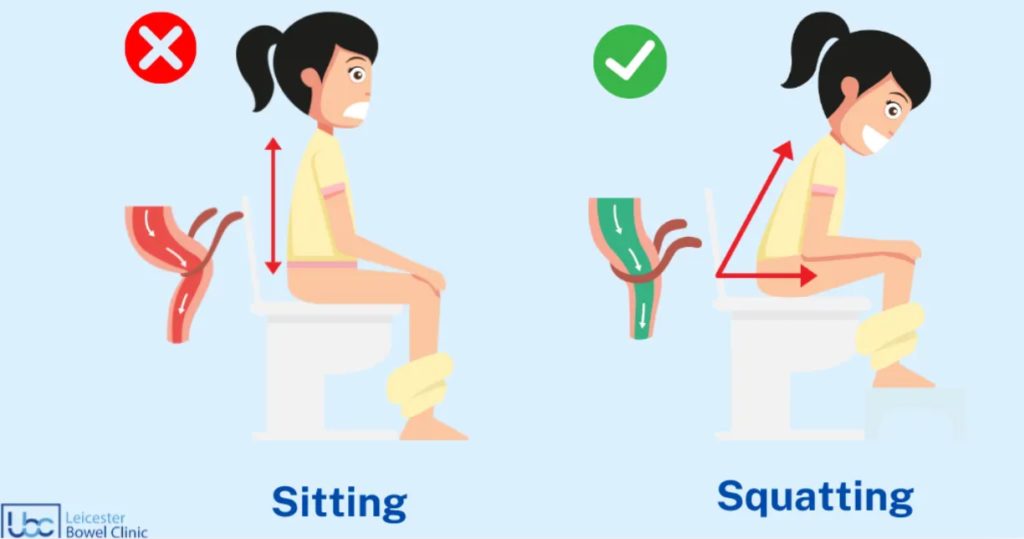
The best posture for bowel movements is a squatting-like position, where the knees are raised above the hips, helping to straighten the rectum and reduce straining during defecation.
Why Posture Matters for Bowel Movements
The rectum is naturally curved when sitting upright on a standard toilet. This angle can make it harder for stool to pass smoothly.
Proper posture helps:
- Relax the pelvic floor muscles
- Straighten the rectal angle
- Reduce straining
- Improve stool passage efficiency
Related structure
Rectum
The Ideal Elimination Position
1. Squatting posture (natural position)
Traditionally, humans squatted to eliminate waste. This position:
- Straightens the rectum
- Reduces pressure at the anal canal
- Allows smoother stool passage
2. Modern toilet adjustment
Since most toilets require sitting, the squatting effect can be recreated by:
- Raising the feet on a small stool
- Leaning slightly forward
- Keeping knees higher than hips
Related concept
Pelvic floor relaxation
Step-by-Step Ideal Toilet Posture
1. Sit with hips slightly elevated
Use a footstool if needed.
2. Lean forward slightly
Rest elbows on knees if comfortable.
3. Keep spine relaxed
Avoid rigid posture or excessive straining.
4. Relax abdominal muscles
Allow natural pressure instead of forcing.
Common Problems Linked to Poor Elimination Posture
1. Constipation
Straining or incomplete evacuation may be worsened by poor posture.
Related condition
Constipation
2. Hemorrhoids
Excessive straining increases pressure on rectal veins.
Related condition
Hemorrhoids
3. Pelvic floor dysfunction
Improper posture can increase muscle tension and discomfort.
Benefits of Correct Elimination Posture
1. Easier bowel movements
Reduces resistance in the rectal angle.
2. Less straining
Minimizes pressure on abdominal and pelvic structures.
3. Improved completeness
Helps reduce the feeling of incomplete evacuation.
4. Better comfort
Reduces discomfort during defecation.
Featured Snippet: Why is squatting better for bowel movements?
Squatting or simulating a squat on a toilet straightens the rectum and relaxes the pelvic floor, making it easier for stool to pass with less straining.
Additional Habits That Support Healthy Elimination
1. Adequate fiber intake
Fiber helps form soft, bulky stools.
Related concept
Dietary fiber
2. Hydration
Water helps soften stool and supports movement through the intestines.
Related condition
Dehydration
3. Regular physical activity
Movement stimulates intestinal motility.
4. Responding to natural urges
Delaying bowel movements can worsen constipation.
When to Seek Medical Advice
Consult a healthcare professional if you experience:
- Persistent constipation
- Blood in stool
- Severe pain during bowel movements
- Sudden changes in bowel habits
- Ongoing incomplete evacuation
Related condition
Irritable bowel syndrome
Common Myths About Bowel Posture
Myth: Posture doesn’t matter
Body positioning significantly affects rectal alignment and ease of elimination.
Myth: Straining is normal
Excessive straining can contribute to hemorrhoids and pelvic floor strain.
Myth: Only diet affects bowel health
Posture, hydration, and activity also play key roles.
Internal Linking Opportunities
This topic connects well with:
- Constipation management
- Digestive health
- Hemorrhoids
- Pelvic floor health
- Gut motility
Conclusion
Improving elimination posture is a simple yet effective way to support more comfortable and efficient bowel movements. By mimicking a natural squatting position—such as elevating the feet and leaning slightly forward—individuals can reduce straining and promote better digestive function.
When combined with adequate fiber, hydration, and healthy lifestyle habits, proper posture can significantly improve overall bowel health and comfort.
Important Disclaimer: This article is for educational purposes only and should not replace professional medical advice. Persistent bowel changes, pain, or bleeding should be evaluated by a qualified healthcare professional.