Meta Description: Learn about common fungal skin infections, their symptoms, causes, and treatment awareness, including athlete’s foot, ringworm, and yeast infections of the skin.
Fungal infections of the skin are very common and can affect people of all ages. They occur when fungi—organisms that thrive in warm, moist environments—overgrow on the skin or nails. While most are not dangerous, they can be persistent, uncomfortable, and easily spread if not properly managed.
Early recognition helps prevent complications and transmission to others.
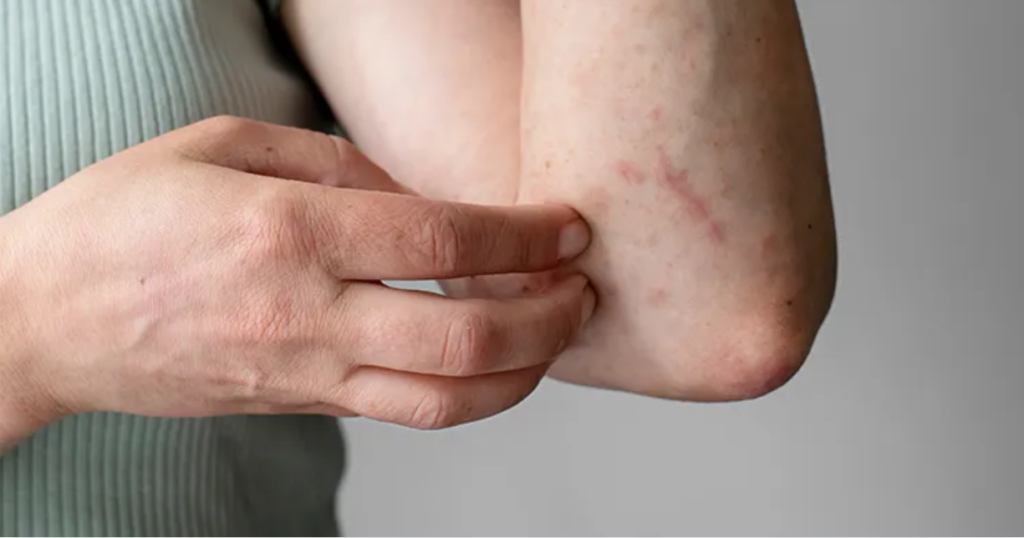
Featured Snippet: What are common signs of fungal skin infections?
Common signs include itching, redness, scaling, circular rashes, peeling skin, and thickened or discolored nails, often worsening in warm, moist areas of the body.
Why Fungal Infections Occur
Fungi naturally live on the skin, but infections develop when conditions allow overgrowth, such as:
- Warm and humid environments
- Sweating and poor ventilation
- Weak immune system
- Poor hygiene or shared personal items
Related concept
Microbial flora
1. Athlete’s Foot (Tinea Pedis)
A common fungal infection affecting the feet.
Symptoms:
- Itching between toes
- Peeling or cracking skin
- Burning sensation
- Foul odor
Related condition
Athlete’s foot
2. Ringworm (Tinea Corporis)
Despite its name, it is caused by a fungus, not a worm.
Symptoms:
- Circular, red rash
- Raised edges with clearer center
- Itching and spreading patches
Related condition
Tinea corporis
3. Jock Itch (Tinea Cruris)
Affects the groin area.
Symptoms:
- Red, itchy rash
- Flaking or scaling skin
- Worsens with sweating
Related condition
Tinea cruris
4. Yeast Skin Infections
Often caused by Candida overgrowth.
Symptoms:
- Red, moist patches
- Itching and irritation
- Occurs in skin folds (under breasts, armpits)
Related condition
Candidiasis
5. Fungal Nail Infection (Onychomycosis)
Affects fingernails or toenails.
Symptoms:
- Thickened nails
- Yellow or white discoloration
- Brittle or crumbling edges
Related condition
Onychomycosis
Common Risk Factors
Fungal infections are more likely in people who:
- Sweat excessively
- Wear tight or non-breathable footwear
- Share towels or shoes
- Have diabetes
- Have weakened immune systems
Related condition
Diabetes mellitus
How Fungal Skin Infections Spread
They can spread through:
- Direct skin contact
- Contaminated surfaces (floors, towels)
- Shared personal items
Prevention Tips
1. Keep skin dry
Fungi thrive in moisture.
2. Practice good hygiene
- Regular bathing
- Changing clothes after sweating
- Cleaning feet properly
3. Wear breathable fabrics
Cotton and moisture-wicking materials help reduce risk.
4. Avoid sharing personal items
Towels, socks, and shoes should be personal.
Featured Snippet: Are fungal skin infections dangerous?
Most fungal skin infections are not dangerous but can become persistent, spread to others, or worsen without treatment, especially in people with weakened immunity.
When to Seek Medical Care
Consult a healthcare professional if:
- The rash spreads quickly
- Symptoms persist despite over-the-counter treatment
- Pain, swelling, or pus develops
- Nail infections worsen or do not improve
Common Misconceptions
Myth: Fungal infections mean poor hygiene
They can occur even in clean individuals due to environmental exposure.
Myth: They disappear quickly without treatment
Many fungal infections require antifungal medication to fully resolve.
Myth: Only feet are affected
Fungi can affect skin, nails, and body folds.
Internal Linking Opportunities
This topic connects well with:
- Skin health and hygiene
- Immune system function
- Diabetes and infection risk
- Nail health disorders
- Dermatological conditions
Conclusion
Fungal skin infections are common, treatable conditions that can affect various parts of the body. Recognizing early signs such as itching, redness, scaling, and nail changes helps ensure timely treatment and prevents spread.
With good hygiene, moisture control, and appropriate medical care when needed, most fungal infections can be effectively managed.
Important Disclaimer: This article is for educational purposes only and should not replace professional medical advice. Persistent or worsening skin symptoms should be evaluated by a qualified healthcare professional.