Meta Description: Learn the early warning signs of blood clots, including deep vein thrombosis (DVT) and pulmonary embolism, to help recognize symptoms that require urgent medical attention.
A blood clot is a semi-solid mass of blood that forms when clotting processes become overactive. While clotting is essential to stop bleeding, abnormal clots can block blood flow and become life-threatening if they travel to vital organs.
Two major conditions are often involved:
- Deep vein thrombosis (DVT) — clot in a deep vein, usually in the leg
- Pulmonary embolism (PE) — clot that travels to the lungs
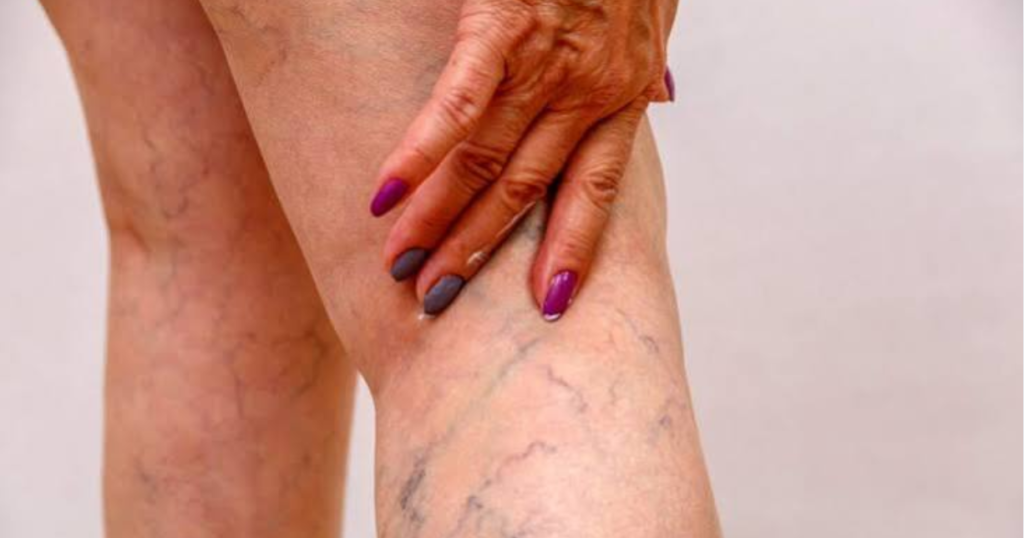
Featured Snippet: What are early signs of a dangerous blood clot?
Early signs include swelling, pain, warmth, and redness in one limb (often the leg), along with sudden shortness of breath, chest pain, rapid heartbeat, and unexplained fatigue if the clot affects the lungs.
1. Swelling in One Leg or Arm
A key warning sign is unilateral swelling, especially in the lower leg.
What it may feel like:
- One leg appears larger than the other
- Tightness or heaviness
- Swelling that develops suddenly
Related condition
Deep vein thrombosis
2. Pain or Tenderness in the Limb
Pain may feel like:
- Cramping
- Soreness
- Deep ache in the calf or thigh
It often worsens when walking or standing.
3. Warm Skin Over the Affected Area
The skin over the clot may feel noticeably warmer than surrounding areas.
4. Red or Discolored Skin
The affected limb may appear:
- Reddish
- Bluish
- Or unusually pale in some cases
5. Sudden Shortness of Breath
This is a medical emergency if it occurs suddenly.
It may indicate a clot has traveled to the lungs.
Related condition
Pulmonary embolism
6. Chest Pain (Worsening with Breathing)
Chest pain associated with a clot often:
- Sharp or stabbing
- Worse when inhaling deeply
- May mimic a heart attack
7. Rapid Heart Rate
The heart may beat faster to compensate for reduced oxygen levels.
Related concept
Tachycardia
8. Unexplained Fatigue or Dizziness
Reduced oxygen circulation may lead to:
- Weakness
- Lightheadedness
- Sudden exhaustion
Who Is at Higher Risk?
Risk factors include:
- Prolonged immobility (long flights, bed rest)
- Surgery or injury
- Pregnancy
- Smoking
- Obesity
- Certain medications (e.g., hormonal therapy)
Related concept
Blood coagulation
Warning Signs That Require Emergency Care
Seek urgent medical attention if you experience:
- Sudden chest pain
- Difficulty breathing
- Coughing up blood
- Severe swelling in one limb
- Sudden collapse or fainting
Featured Snippet: Can a blood clot go away on its own?
Some small clots may dissolve naturally, but dangerous clots can grow or travel to the lungs, heart, or brain. Medical evaluation is essential to prevent complications.
Possible Complications
If untreated, blood clots can lead to:
- Pulmonary embolism
- Stroke (if traveling to the brain)
- Heart strain
- Tissue damage due to poor circulation
Related condition
Stroke
Prevention Strategies
1. Stay active
Movement improves blood circulation.
2. Hydration
Helps maintain normal blood viscosity.
3. Avoid long periods of immobility
Take breaks during travel or sitting.
4. Follow medical advice after surgery
Preventive measures may include compression devices or medication.
Common Myths About Blood Clots
Myth: Blood clots always cause obvious symptoms
Some clots develop silently without clear early warning signs.
Myth: Only older people get blood clots
They can occur at any age depending on risk factors.
Myth: Massage helps dissolve clots
Massage can be dangerous if a clot is present.
Internal Linking Opportunities
This topic connects well with:
- Circulation and cardiovascular health
- Stroke awareness
- Edema and swelling
- Post-surgery recovery
- Heart and lung health
Conclusion
Blood clots can develop silently but may also produce early warning signs such as swelling, pain, warmth, and sudden breathing difficulties. Recognizing these symptoms early is critical, as untreated clots can become life-threatening.
If any serious symptoms appear—especially chest pain or shortness of breath—immediate medical attention is essential.
Important Disclaimer: This article is for educational purposes only and should not replace professional medical advice. Blood clots are medical emergencies and require prompt evaluation by a healthcare professional.