Meta Description: Learn about varicose veins, including causes, symptoms, risk factors, and modern health insights on managing vein health and improving circulation.
Varicose veins are a common vascular condition affecting millions of people worldwide. They often appear as bulging, twisted, or bluish veins, especially in the lower limbs. While they are frequently considered a cosmetic concern, they can sometimes indicate underlying issues with circulation.
Understanding how and why they develop can help with early recognition and better lifestyle management.
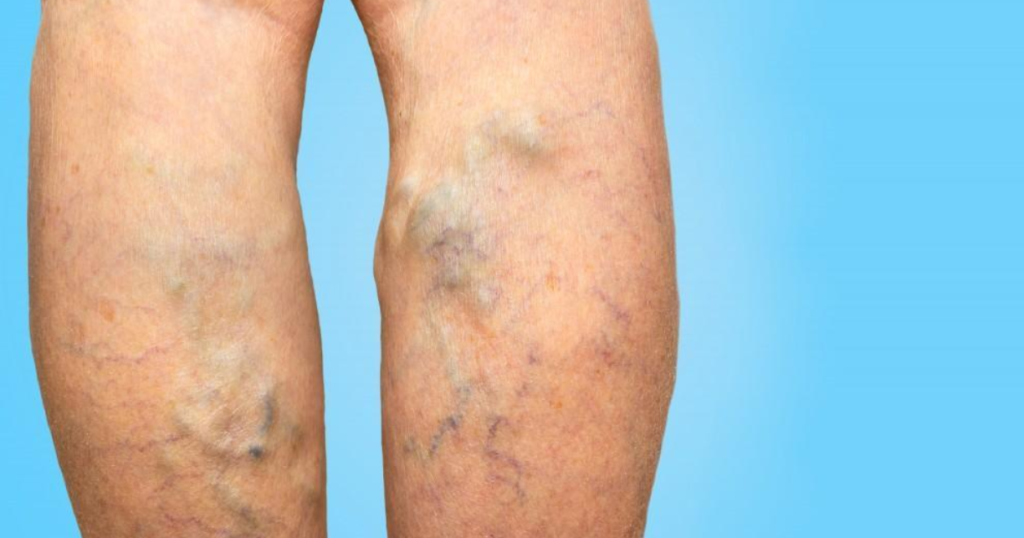
Featured Snippet: What are varicose veins and what causes them?
Varicose veins are enlarged, twisted veins caused by weakened vein valves that allow blood to pool in the legs instead of flowing efficiently back to the heart.
How Varicose Veins Develop
Veins in the legs contain small one-way valves that help blood move upward toward the heart. When these valves weaken:
- Blood flows backward (reflux)
- Pressure builds in the veins
- Veins become enlarged and visible
Related structure
Veins
Common Symptoms
Not everyone experiences symptoms, but when present they may include:
- Visible, bulging veins
- Heaviness or aching in the legs
- Burning or throbbing sensation
- Swelling in lower legs or ankles
- Itching around affected veins
Related condition
Chronic venous insufficiency
Risk Factors
Varicose veins are more likely in people who:
- Stand or sit for long periods
- Are older in age
- Have a family history
- Are pregnant
- Are overweight
Related concept
Venous pressure
Latest Health Insights (General Understanding)
Recent clinical understanding emphasizes that varicose veins are not just a cosmetic issue but part of a broader vascular health spectrum.
Key insights include:
- Early-stage vein changes may progress silently
- Lifestyle factors strongly influence symptom severity
- Compression therapy remains a first-line supportive approach
- Minimally invasive procedures have improved outcomes
Lifestyle and Circulation Support
While medical treatment may be necessary in some cases, lifestyle habits can support vein health:
1. Regular movement
Walking helps improve blood flow in the legs.
Related concept
Muscle pump mechanism
2. Elevating the legs
Helps reduce pressure and swelling.
3. Weight management
Reduces strain on leg veins.
4. Avoid prolonged sitting or standing
Encourages better circulation.
Medical Management Options (Overview)
Depending on severity, treatment options may include:
- Compression stockings
- Sclerotherapy (vein injections)
- Laser treatments
- Surgical procedures (in advanced cases)
Featured Snippet: Can varicose veins go away naturally?
Varicose veins do not usually disappear on their own, but symptoms can often be managed or reduced with lifestyle changes, compression therapy, and medical treatment when necessary.
Possible Complications (When Untreated)
In some cases, untreated varicose veins may lead to:
- Skin changes or discoloration
- Swelling and chronic discomfort
- Inflammation of veins (phlebitis)
- Skin ulcers in severe cases
Related condition
Venous ulcer
When to Seek Medical Advice
Consult a healthcare professional if you notice:
- Persistent leg pain or swelling
- Skin changes near veins
- Sudden worsening of symptoms
- Open sores near the ankles
Common Myths About Varicose Veins
Myth: Only elderly people get varicose veins
They can affect younger adults, especially with risk factors.
Myth: They are only a cosmetic issue
They may reflect underlying venous insufficiency.
Myth: Exercise makes them worse
In fact, regular movement usually helps circulation.
Internal Linking Opportunities
This topic connects well with:
- Circulatory system health
- Edema and swelling
- Blood clot awareness
- Physical activity and vascular health
- Leg pain and discomfort
Conclusion
Varicose veins are a common vascular condition caused by weakened vein valves and poor blood return from the legs. While often mild, they can sometimes indicate chronic venous issues. Understanding risk factors and supporting circulation through movement, lifestyle habits, and medical care when needed can help improve comfort and long-term vein health.
Important Disclaimer: This article is for educational purposes only and should not replace professional medical advice. Individuals experiencing persistent pain, swelling, or skin changes should consult a qualified healthcare professional.