Super seeds for women’s health offer concentrated sources of essential nutrients that support hormonal balance, bone integrity, cardiovascular function, and metabolic stability. Though small in size, their physiological impact is substantial when integrated strategically into a balanced diet.
Across cultures and centuries, seeds have symbolized vitality and regeneration. Modern nutritional science now confirms what traditional dietary patterns long suggested: seeds are dense packages of bioactive compounds. For women, whose nutritional needs shift across life stages—from menstruation and pregnancy to perimenopause and postmenopause—these small foods provide targeted support. Rich in essential fatty acids, fiber, lignans, antioxidants, plant protein, and critical minerals, seeds contribute to both preventive and therapeutic nutrition strategies.
This comprehensive scientific analysis explores how specific super seeds influence women’s health through evidence-based mechanisms and practical application.
What Are Super Seeds and Why Are They Especially Beneficial for Women?
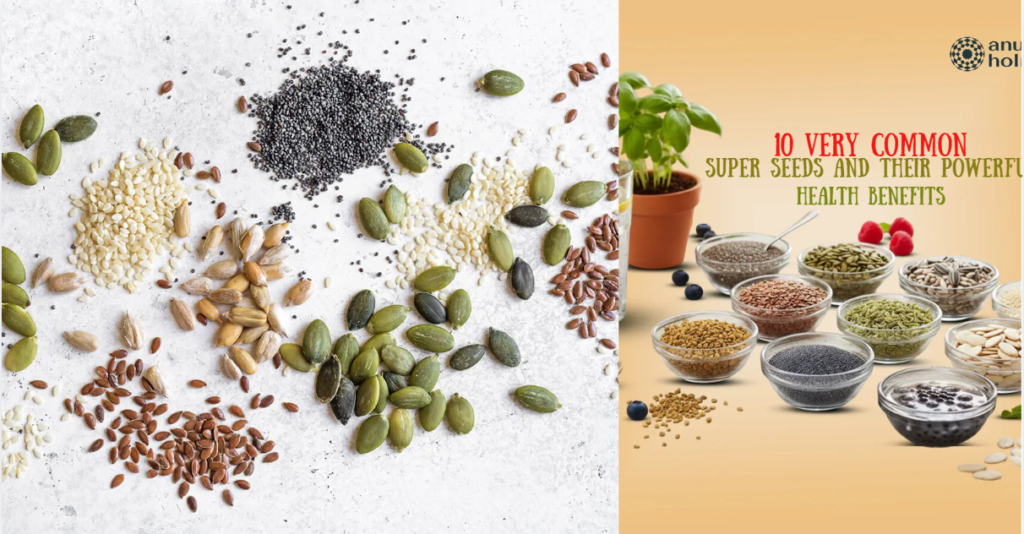
Super seeds refer to nutrient-dense edible seeds that provide high concentrations of beneficial compounds relative to their size and caloric value. Among the most studied are:
- Flaxseeds
- Chia seeds
- Pumpkin seeds
- Sunflower seeds
- Sesame seeds
These seeds deliver a combination of:
- Omega-3 and omega-6 fatty acids
- Dietary fiber
- Phytoestrogens
- Magnesium
- Iron
- Zinc
- Vitamin E
- Plant-based protein
Women often face increased risk of iron deficiency, bone density loss, and hormonal fluctuations. Seeds provide supportive micronutrients and phytonutrients that address these vulnerabilities. Their concentrated nutritional profile makes them efficient additions to meals without significant caloric burden.
How Do Flaxseeds Support Hormonal Balance?
Flaxseeds are particularly notable for their lignan content. Lignans are phytoestrogens—plant compounds that weakly bind to estrogen receptors and may modulate hormonal activity.
Research suggests flaxseed consumption may:
- Support menstrual cycle regularity
- Reduce severity of menopausal symptoms
- Promote healthy estrogen metabolism
Lignans are converted by gut bacteria into enterolignans, which exert mild estrogenic or anti-estrogenic effects depending on physiological context. This adaptive modulation may contribute to hormonal equilibrium.
Additionally, flaxseeds are rich in alpha-linolenic acid (ALA), a plant-based omega-3 fatty acid that supports cardiovascular and anti-inflammatory pathways.
For optimal absorption, flaxseeds should be consumed ground rather than whole, as intact seeds may pass through the digestive tract undigested.
How Do Chia Seeds Contribute to Metabolic and Cardiovascular Health?
Chia seeds are distinguished by their exceptional fiber content and omega-3 concentration. Approximately one-third of their weight consists of fiber, much of it soluble.
Soluble fiber:
- Slows glucose absorption
- Promotes satiety
- Supports gut microbiome diversity
- Assists in cholesterol regulation
For women managing metabolic shifts—such as those occurring during perimenopause—stable blood sugar regulation is particularly important.
Chia seeds also provide plant-based protein and calcium, both relevant for muscle preservation and bone integrity. When hydrated, they form a gel-like structure that slows digestion and may enhance nutrient absorption efficiency.
Cardiovascular health remains a leading concern for women globally. The omega-3 fatty acids in chia seeds support lipid balance and vascular function, contributing to long-term heart health.
Which Seeds Are Most Beneficial for Bone Health?
Bone density declines progressively after peak bone mass is reached, particularly during and after menopause due to decreased estrogen levels.
Several seeds provide minerals essential for bone maintenance:
Sesame Seeds
Exceptionally rich in calcium and magnesium, sesame seeds contribute to mineralization processes.
Chia Seeds
Provide calcium, phosphorus, and boron—minerals involved in bone metabolism.
Pumpkin Seeds
Contain magnesium and zinc, both critical for bone structure and enzymatic function.
Magnesium supports the structural development of bone and assists in vitamin D metabolism, which regulates calcium absorption. Zinc contributes to collagen synthesis and bone tissue repair.
Incorporating a variety of seeds ensures a broader spectrum of mineral support.
How Do Pumpkin Seeds Benefit Reproductive and Immune Health?
Pumpkin seeds are a concentrated source of zinc, iron, magnesium, and plant sterols.
Zinc plays a central role in:
- Immune function
- Reproductive hormone production
- Cellular repair
Iron is particularly relevant for menstruating women, as iron deficiency remains one of the most common global nutritional deficiencies. While plant-based iron (non-heme iron) has lower bioavailability than animal sources, pairing pumpkin seeds with vitamin C-rich foods enhances absorption.
Pumpkin seeds also provide tryptophan, an amino acid involved in serotonin synthesis. Adequate serotonin levels influence mood stability, which can fluctuate across hormonal cycles.
Their nutrient density makes them especially beneficial during reproductive years.
How Do Sunflower Seeds Protect Skin and Cellular Health?
Sunflower seeds are rich in vitamin E, a fat-soluble antioxidant that protects cell membranes from oxidative stress.
Vitamin E:
- Neutralizes free radicals
- Supports skin elasticity
- Protects lipid membranes
- Contributes to immune defense
Women exposed to environmental stressors—pollution, ultraviolet radiation, psychological stress—benefit from antioxidant protection. Vitamin E works synergistically with vitamin C and other antioxidants to maintain skin resilience and cellular stability.
Sunflower seeds also contain selenium, which plays a role in antioxidant enzyme systems such as glutathione peroxidase.
Regular inclusion may support visible skin vitality alongside systemic protection.
How Do Super Seeds Support Digestive and Microbiome Health?
Fiber plays a foundational role in digestive function and microbiome diversity. Seeds supply both soluble and insoluble fiber, supporting:
- Regular bowel movements
- Short-chain fatty acid production
- Reduced intestinal inflammation
- Improved glycemic regulation
The gut microbiome influences hormone metabolism, immune regulation, and even mood. By feeding beneficial bacteria, seed-derived fiber contributes to systemic balance.
Flax and chia seeds are particularly effective in promoting regularity due to their mucilaginous properties when hydrated.
Digestive stability forms the basis for efficient nutrient absorption and overall wellness.
Which Factors Influence Nutrient Absorption from Seeds?
While seeds are nutrient-dense, bioavailability depends on preparation and dietary context.
Key considerations include:
- Grinding flaxseeds to enhance lignan and omega-3 absorption
- Soaking chia seeds to improve digestibility
- Pairing iron-rich seeds with vitamin C sources
- Moderating intake to prevent excessive caloric density
Phytates naturally present in seeds can bind certain minerals, slightly reducing absorption. However, soaking, roasting, or sprouting can mitigate this effect.
Portion control is also important. Although nutritionally powerful, seeds are energy-dense. Incorporating one to two tablespoons per serving balances nutrient intake with caloric moderation.
How Can Women Incorporate Super Seeds into a Balanced Diet?
Practical integration enhances consistency and long-term benefit.
Evidence-based strategies include:
- Adding ground flaxseed to yogurt or oatmeal
- Mixing chia seeds into smoothies or hydration beverages
- Sprinkling pumpkin or sunflower seeds over salads
- Using tahini (sesame paste) in dressings
Rotating different seeds ensures nutritional diversity. Combining seeds with fruits, vegetables, and healthy fats enhances absorption of fat-soluble nutrients and antioxidants.
Consistency, rather than excessive quantity, determines measurable outcomes.
Conclusion
Super seeds for women’s health represent a convergence of traditional dietary wisdom and modern nutritional science. Flaxseeds support hormonal modulation through lignans. Chia seeds stabilize metabolism and promote cardiovascular resilience. Pumpkin seeds enhance reproductive and immune health. Sesame and sunflower seeds strengthen bone and protect against oxidative stress.
Though small in size, these foods deliver concentrated micronutrients, essential fatty acids, fiber, and phytonutrients that address women’s evolving physiological needs across life stages.
Integrating a variety of super seeds into a balanced diet offers a practical, evidence-based strategy to enhance hormonal balance, bone density, cardiovascular stability, digestive health, and cellular protection. Their power lies not in novelty, but in density—small foods delivering measurable biological benefits.
Disclaimer
This article is for informational purposes only and does not constitute medical advice. Individuals with medical conditions, allergies, or specific nutritional needs should consult a qualified healthcare professional before making significant dietary changes.