Meta Description: Unlock stronger, healthier hair by fueling your body with key nutrients scientifically proven to support growth, shine, and resilience.
Beautiful, strong hair starts from within. While styling products and treatments offer temporary improvements, lasting hair health depends on what you eat. Nutrients like protein, vitamins, and minerals are essential for hair growth, preventing breakage, and maintaining natural shine. By understanding which foods and nutrients your hair craves, you can transform weak, brittle strands into thick, resilient locks.
Eating for stronger hair isn’t about following strict diets or consuming exotic supplements. Small, consistent adjustments to your meals can yield noticeable improvements in hair density, texture, and overall scalp health. In this guide, we’ll break down the most important science-backed nutrients for hair, explain how to include them in your daily routine, and provide actionable strategies to optimize growth naturally.
Section 1: Foundation/Getting Started
Before diving into specific foods, it’s helpful to understand how nutrition influences hair health. Hair is made primarily of keratin, a protein that relies on essential nutrients to grow and remain strong.
H3: Key Components of Hair Health
- Keratin: The structural protein forming hair strands
- Collagen: Supports follicle strength and elasticity
- Scalp Circulation: Proper blood flow delivers nutrients to follicles
Understanding these basics will help you target the nutrients that truly matter.
H3: Why Diet Matters
A poor diet can lead to thinning, breakage, or slow growth. Nutrient deficiencies—especially in iron, zinc, vitamin D, and biotin—can weaken hair from the root. Optimizing your diet ensures follicles receive everything they need to thrive.
H3: Setting Realistic Expectations
Hair growth is gradual, usually about half an inch per month. Consistency is key—nutrient-rich meals over weeks and months produce visible changes.
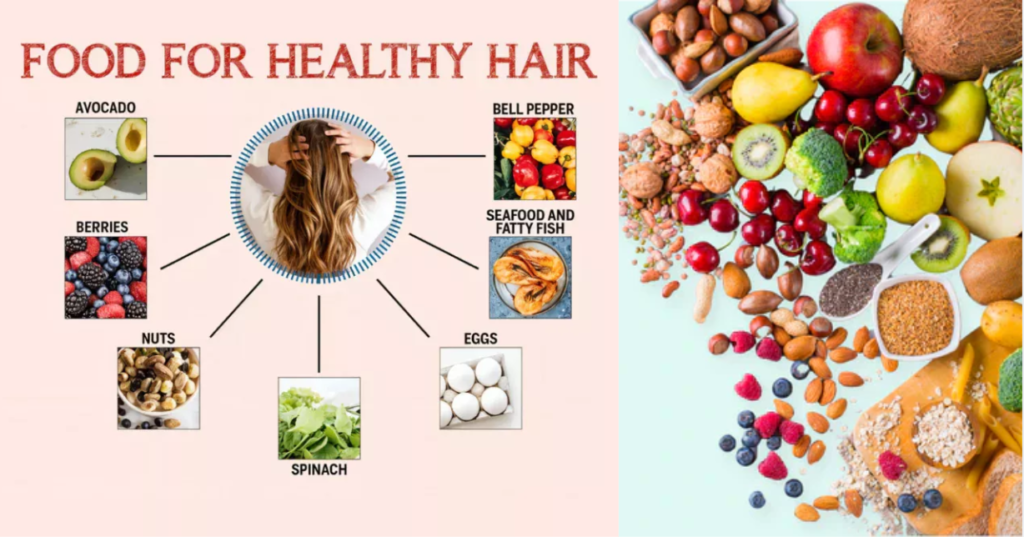
Section 2: Step-by-Step Process/Core Methods
H3: Protein – The Building Block
Hair is nearly 90% protein, making adequate intake critical.
- Sources: eggs, lean meats, fish, beans, lentils
- Tip: Aim for at least 0.8 grams per kilogram of body weight daily
Protein supports keratin production, strengthening strands and reducing breakage.
H3: Iron and Zinc – Essential Minerals
Iron deficiency can cause hair loss, while zinc promotes follicle repair.
- Iron sources: spinach, lentils, red meat, fortified cereals
- Zinc sources: pumpkin seeds, chickpeas, oysters
Pair iron-rich plant foods with vitamin C to enhance absorption.
H3: Vitamins for Growth
- Vitamin A: Supports sebum production to moisturize scalp
- Vitamin C: Boosts collagen formation and antioxidant protection
- Vitamin D: Stimulates follicle growth cycles
- Biotin (B7): Supports keratin production
Including colorful fruits and vegetables ensures you cover multiple vitamin bases.
H3: Healthy Fats
Omega-3 fatty acids maintain scalp health and hair elasticity.
- Sources: salmon, walnuts, chia seeds, flaxseeds
- Tip: Incorporate fatty fish twice a week or plant-based omega-3s daily
Section 3: Advanced Strategies/Pro Tips
H3: Hydration Matters
Adequate water intake maintains scalp moisture and prevents dryness. Aim for 8 glasses daily, adjusting for activity and climate.
H3: Balanced Meal Planning
Create meals that combine protein, healthy fats, and vitamins. Example: grilled salmon with quinoa, steamed broccoli, and pumpkin seeds. This combination fuels growth and supports follicle resilience.
H3: Timing and Consistency
Regular nutrient intake is more effective than occasional “superfood” days. Consistency ensures follicles receive a steady supply of building blocks for new hair.
Section 4: Troubleshooting/Common Challenges
H3: Slow Hair Growth
- Solution: Track protein and iron intake; consider scalp massages to stimulate blood flow
H3: Brittle or Breaking Hair
- Solution: Include omega-3 fats and vitamin E; minimize heat styling and harsh chemical treatments
H3: Thinning or Hair Loss
- Solution: Check for nutrient deficiencies with a healthcare provider; ensure adequate intake of iron, zinc, biotin, and protein
H3: Dietary Limitations
- Solution: Vegan or vegetarian? Focus on legumes, nuts, seeds, and fortified foods; consider plant-based protein powders if needed
Section 5: Maximizing Results/Next Level Tips
H3: Combine Nutrients for Synergy
Pairing vitamins and minerals improves absorption: vitamin C enhances iron uptake, while healthy fats improve absorption of fat-soluble vitamins A, D, E, and K.
H3: Lifestyle Supports Hair
- Exercise improves circulation, delivering nutrients to follicles
- Stress management reduces cortisol, which can trigger shedding
- Adequate sleep allows cellular repair for follicle health
H3: Supplement Wisely
While whole foods are best, supplements can fill gaps. Common options: biotin, omega-3s, and multivitamins designed for hair support. Always consult a healthcare professional before starting new supplements.
H3: Track Progress
Monitor hair health with monthly photos or noting texture changes. Small, consistent improvements indicate nutrient strategies are working.
Conclusion
Strong, vibrant hair starts from the inside out. By prioritizing protein, vitamins, minerals, healthy fats, and hydration, you provide your follicles with the tools to grow resilient, shiny strands. Combine this nutrition with lifestyle habits like exercise, stress management, and consistent care to maximize results.
Remember, hair growth is a journey. With patience and consistent nutrition, you can transform fragile strands into healthy, strong hair that reflects your overall well-being. Start today and nourish your hair from the roots up.
Important Disclaimer: This article is for informational purposes only and should not replace professional advice. For health-related topics, consult healthcare providers. Individual results may vary, and personal circumstances should always be considered when implementing any suggestions.