Meta Description: Explore how adult ADHD and posture are connected. Learn how attention, muscle tension, and movement patterns influence body alignment and daily comfort.
Have you ever noticed yourself slouching, fidgeting, or shifting positions constantly when trying to focus? For many adults with Attention Deficit Hyperactivity Disorder, posture isn’t just a physical habit—it’s closely tied to how the brain processes attention, movement, and regulation.
The connection between adult ADHD and posture reveals a powerful mind–body relationship. Your nervous system influences how you sit, stand, and move—and your posture, in turn, can affect focus, energy, and even mood.
In this guide, you’ll discover why posture challenges are common in ADHD, how they impact daily life, and practical ways to improve both physical alignment and mental clarity.
What Is Adult ADHD?
Adult ADHD is a neurodevelopmental condition that affects attention, impulse control, and executive function.
Core features
- Difficulty sustaining attention
- Restlessness or fidgeting
- Impulsivity
- Challenges with organization
Why it affects the body
ADHD doesn’t only affect the mind—it also influences:
- Motor control
- Muscle tone
- Body awareness (proprioception)
Featured Snippet: Does ADHD affect posture?
Yes, ADHD can affect posture by influencing muscle tone, movement patterns, and body awareness, often leading to slouching, restlessness, or difficulty maintaining stable positions.
The Science Behind the Mind–Body Connection
Your brain and body are constantly communicating.
1. Nervous system regulation
The brain controls muscle activation and posture through:
- Motor cortex signaling
- Sensory feedback loops
- Balance and coordination systems
2. Proprioception (body awareness)
People with ADHD may experience altered proprioception, meaning:
- Less awareness of body position
- Difficulty maintaining alignment
- Increased shifting or slouching
3. Dopamine and movement
ADHD is linked to differences in dopamine regulation.
- Movement (fidgeting) may help increase alertness
- Postural changes can be a self-regulation tool
How ADHD Influences Posture
1. Constant movement and fidgeting
- Frequent position changes
- Difficulty sitting still
- Use of movement to stay focused
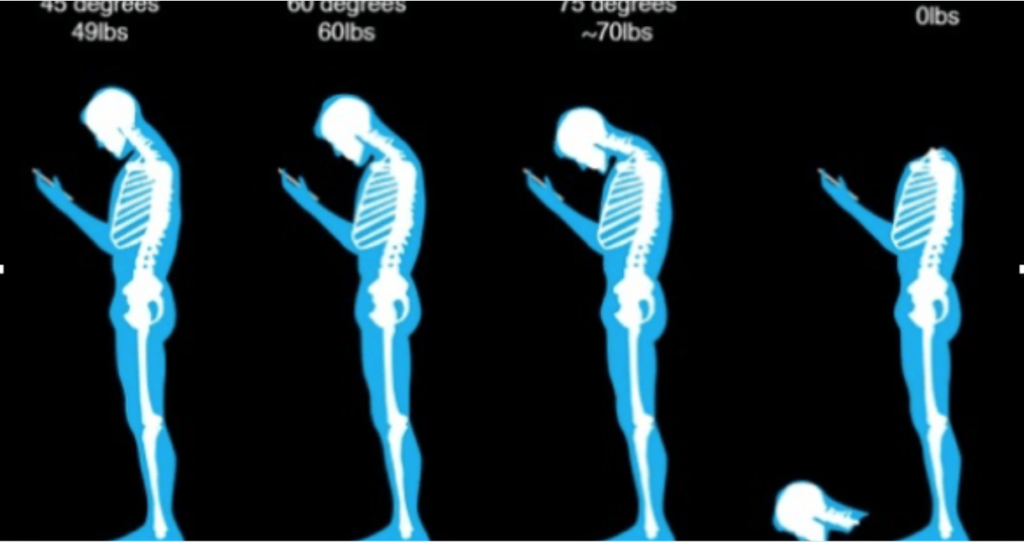
2. Slouched or collapsed posture
- Reduced muscle engagement
- Low postural awareness
- Fatigue from maintaining upright position
3. Hyperfocus posture
Interestingly, during deep focus:
- People may freeze in one position
- Poor alignment may go unnoticed
- Leads to stiffness and pain later
4. Muscle tension and imbalance
- Tight shoulders or neck
- Uneven posture habits
- Stress-related muscle contraction
Featured Snippet: Why do people with ADHD slouch?
People with ADHD may slouch due to reduced body awareness, low muscle engagement, and difficulty maintaining consistent posture without frequent movement.
Effects of Poor Posture in Adult ADHD
1. Physical discomfort
- Neck and back pain
- Muscle fatigue
- Joint stiffness
2. Reduced focus
Posture can influence attention:
- Slouching may decrease alertness
- Upright posture supports better concentration
3. Breathing limitations
- Poor posture restricts lung expansion
- Leads to shallow breathing
- Affects energy and mental clarity
4. Mood and confidence
Posture influences emotional state:
- Slumped posture may lower mood
- Upright posture can improve confidence
Practical Strategies to Improve Posture with ADHD
1. Use movement as a tool
Instead of forcing stillness:
- Use standing desks
- Try balance balls or active seating
- Incorporate short movement breaks
2. Build body awareness
Simple techniques:
- Posture check reminders
- Mirror feedback
- Mindful body scanning
3. Strengthen postural muscles
Focus on:
- Core muscles
- Back and shoulder stabilizers
Helpful exercises:
- Planks
- Wall posture holds
- Resistance band rows
4. Optimize your workspace
- Chair with lumbar support
- Screen at eye level
- Feet flat on the ground
5. Use sensory cues
- Wear posture-correcting devices
- Use tactile reminders (like a cushion or tape cue)
Featured Snippet: How can adults with ADHD improve posture?
Adults with ADHD can improve posture by incorporating movement breaks, strengthening core muscles, using ergonomic setups, and building body awareness through mindful techniques.
Advanced Mind–Body Techniques
1. Breathwork
- Deep breathing improves posture
- Enhances nervous system regulation
2. Yoga and stretching
- Improves flexibility
- Builds body awareness
- Reduces muscle tension
3. Occupational therapy strategies
- Tailored interventions
- Sensory integration techniques
4. Habit stacking
Link posture habits to daily routines:
- Sit upright when checking emails
- Stretch after every task
Common Challenges and How to Overcome Them
Challenge 1: Forgetting posture
Solution: Use alarms or visual cues.
Challenge 2: Discomfort in “perfect posture”
Solution: Focus on dynamic posture—not rigid stillness.
Challenge 3: Lack of consistency
Solution: Start small and build gradually.
Challenge 4: Mental fatigue
Solution: Combine posture work with movement and breaks.
Internal Linking Opportunities
This topic connects well with:
- ADHD management strategies
- Ergonomics and workplace health
- Back and neck pain prevention
- Mindfulness and body awareness
- Nervous system regulation techniques
Conclusion
The connection between adult ADHD and posture highlights how closely the mind and body work together. Posture is not just about sitting straight—it’s about how your brain regulates movement, awareness, and attention.
By embracing movement, improving body awareness, and creating supportive environments, you can enhance both your physical comfort and mental focus. Small, consistent changes can lead to meaningful improvements in how you feel and function every day.
Important Disclaimer: This article is for informational purposes only and should not replace professional advice. For health-related topics, consult healthcare providers. Individual results may vary, and personal circumstances should always be considered when implementing any suggestions.