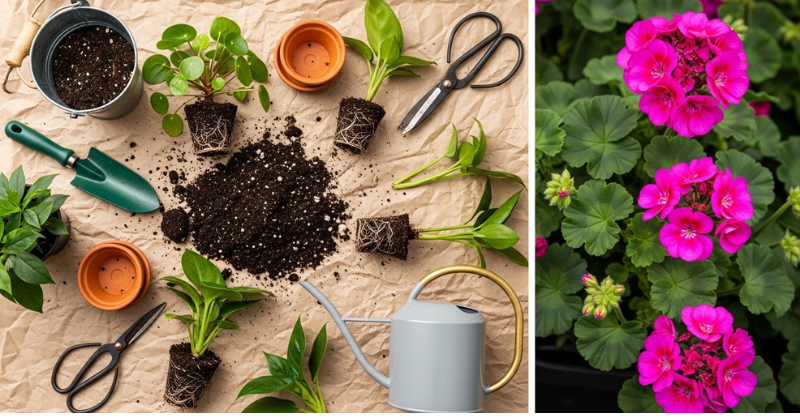
Your garden whispers secrets that commercial fertilizers have long drowned out—ancient wisdom encoded in kitchen cupboards, pantry staples that hold transformative power for roots, blooms, and soil. Baking soda, that humble white powder residing beside your flour and sugar, contains within its crystalline structure the potential to revolutionize how plants express their most vibrant selves.
I discovered this alchemical relationship between sodium bicarbonate and botanical vitality quite by accident, during a particularly stubborn bout with powdery mildew threatening to suffocate my prized roses. Conventional treatments had failed, leaving me desperate and willing to experiment with grandmother’s remedies that seemed too simple to work. That first application—dissolving a mere tablespoon in water and misting delicate petals at twilight—initiated a transformation that bordered on miraculous. Within days, the fungal invasion retreated, and something unexpected emerged: blooms of such intensity and abundance that neighbors began appearing at my gate, asking what expensive formula I’d discovered.
The truth proved both humbler and more profound than any commercial solution. Baking soda, when understood not as mere cleaning agent but as a subtle modulator of plant chemistry and soil ecology, unlocks dormant potential within your garden’s living systems. This article unveils ten garden hacks—some employing baking soda’s remarkable properties, others drawing on equally accessible household materials—that will transform your relationship with cultivation from passive observation to active partnership with nature’s regenerative intelligence.
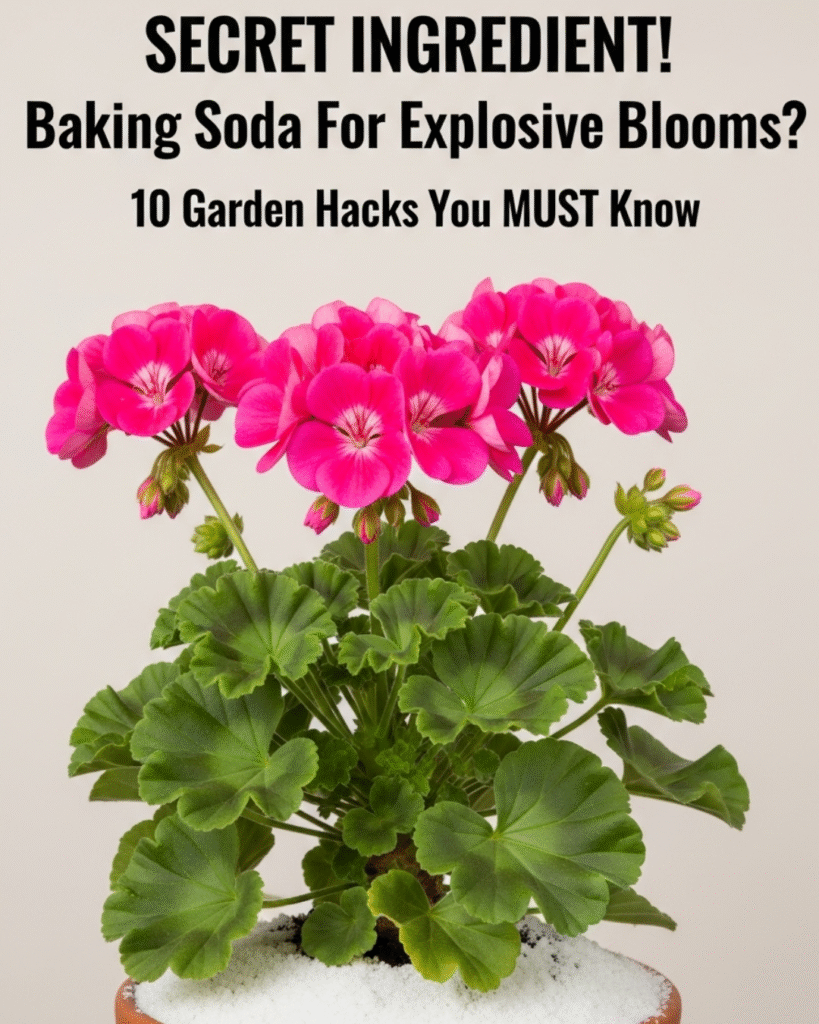
Understanding Baking Soda’s Botanical Alchemy: The Science Behind Garden Magic
Before your hands touch soil or mix solutions, pause to comprehend the elegant chemistry underlying baking soda’s garden applications. Sodium bicarbonate (NaHCO₃) exists as a mildly alkaline compound that, when dissolved in water, creates a pH environment hostile to many fungal pathogens while remaining gentle enough not to harm plant tissues or beneficial soil organisms.
The pH Phenomenon: Balancing Life’s Delicate Equations
Plant health depends profoundly on pH—that logarithmic scale measuring hydrogen ion concentration determining which nutrients remain available for root absorption and which lock into insoluble compounds beyond biological access. Most flowering plants thrive in slightly acidic to neutral soils (pH 6.0-7.0), where the full spectrum of essential nutrients—nitrogen, phosphorus, potassium, and trace minerals—dissolves into forms that root hairs can absorb.
Baking soda’s alkalinity (pH approximately 8.3 when dissolved) provides a tool for modulating excessively acidic conditions that sometimes develop in gardens where pine needles accumulate, where heavy rainfall leaches alkaline minerals, or where repeated applications of acidifying fertilizers have pushed pH below optimal ranges. A light application—never excessive, as overcorrection proves as problematic as the original imbalance—can nudge pH toward that sweet spot where nutrients flow freely and plants express their genetic potential fully.
Yet baking soda’s garden value extends far beyond pH adjustment. Its antifungal properties operate through multiple mechanisms: altering surface pH on leaves to levels where fungal spores cannot germinate, disrupting fungal cell membranes through osmotic stress, and potentially triggering systemic acquired resistance—plants’ own immune responses that prime defenses against future pathogen attacks.
The Foliar Application Principle: Direct Delivery to Living Tissues
When you mist baking soda solution onto leaves, you’re engaging in foliar feeding—a technique that bypasses the root-to-shoot nutrient pathway, delivering compounds directly to photosynthetic tissues. Leaves possess stomata—microscopic pores that open and close in response to environmental conditions—that can absorb dissolved minerals and other compounds. Early morning or late afternoon applications, when stomata open widest and when cooler temperatures prevent solution from evaporating before absorption, maximize effectiveness while minimizing stress.
The concentration matters profoundly. Too weak, and the solution provides insufficient antifungal action or pH modification; too strong, and you risk leaf burn through osmotic shock or excessive alkalinity damaging cellular structures. The sweet spot—approximately one tablespoon per gallon of water for most applications—reflects generations of trial and error crystallized into a formula that balances efficacy against safety.
Ten Transformative Garden Hacks: From Baking Soda Brilliance to Household Alchemy
Hack #1: The Powdery Mildew Vanquisher—Baking Soda Foliar Spray
Powdery mildew—that ghostly white coating that creeps across leaves like winter frost in summer—represents one of gardening’s most frustrating afflictions. This fungal disease thrives in conditions of moderate temperature, high humidity, and poor air circulation, gradually suffocating plants by blocking photosynthesis and stealing nutrients meant for growth and flowering.
Create your defense: Dissolve one tablespoon baking soda in one gallon of water, adding a few drops of liquid dish soap (which acts as a surfactant, helping solution adhere to waxy leaf surfaces rather than beading and rolling off). Pour into a spray bottle and mist affected plants thoroughly, coating upper and lower leaf surfaces until solution drips from foliage.
Apply weekly as prevention, or every three days when treating active infections, always in early morning or evening to avoid foliar burn from solution concentrating under intense midday sun. Within days, you’ll witness the fungal retreat—white patches fading, leaves recovering their natural green brilliance, and crucially, new growth emerging unblemished.
I’ve used this formula on roses, zinnias, phlox, cucumbers, and squash—all notorious mildew magnets—with consistent success. The transformation extends beyond disease elimination to include the unexpected bonus of more abundant, more intensely colored blooms, as if the plants, relieved from fungal burden, redirect energy toward reproductive expression.
Hack #2: The Bloom Booster—Epsom Salt Soil Amendment
While baking soda modulates surface chemistry, Epsom salt (magnesium sulfate) addresses nutritional deficiencies that silently limit flowering potential. Magnesium serves as the central atom in chlorophyll molecules—without adequate magnesium, photosynthesis falters, growth slows, and flowering diminishes or ceases entirely.
Dissolve one tablespoon Epsom salt per gallon of water and drench soil around the root zone of flowering plants monthly throughout the growing season. Roses respond with particular enthusiasm, producing blooms of extraordinary size and color depth. Tomatoes, peppers, and other fruiting vegetables benefit similarly, as magnesium also facilitates fruit development and ripening.
The first time I applied Epsom salt to a struggling rose bush—leaves yellowing between veins in the classic magnesium deficiency pattern—the transformation occurred so rapidly it seemed almost supernatural. Within ten days, new growth emerged deep green and vigorous, and the subsequent bloom cycle produced flowers that drew admiring comments from every garden visitor.
Hack #3: The Weed Assassin—Vinegar Herbicide for Pathways
Not all garden hacks nourish; some eliminate what competes for space and resources. White vinegar, with its acetic acid content, functions as an effective organic herbicide for weeds emerging in pathways, driveways, and between pavers—anywhere you desire complete vegetation elimination.
Pour undiluted white vinegar (5% acidity standard household strength) directly onto weed foliage on a hot, sunny day when no rain threatens for at least 24 hours. The acetic acid desiccates plant tissues, causing visible wilting within hours and complete death within days. For perennial weeds with extensive root systems, repeated applications may be necessary.
Exercise caution: vinegar kills indiscriminately, damaging any plant tissue it contacts. Shield desirable plants with cardboard or plastic sheeting during application, and avoid windy conditions that might carry spray onto prized specimens. This hack transforms pathway maintenance from backbreaking labor to simple pouring, reclaiming time for more pleasurable garden activities.
Hack #4: The Soil Sweetener—Wood Ash pH Elevation
For gardeners blessed with fireplaces or wood stoves, wood ash represents liquid gold for alkalinity-loving plants and acidic soil correction. Wood ash contains potassium, calcium, magnesium, and trace minerals in highly bioavailable forms, while its alkalinity (pH 9-13 depending on wood species) can raise soil pH more gradually and holistically than lime.
Apply wood ash at rates not exceeding 20 pounds per 1,000 square feet annually, working it into soil in early spring. Plants particularly responsive include lavender, clematis, lilac, and members of the brassica family (cabbage, broccoli, kale). The ash not only adjusts pH but also provides potassium essential for flowering, disease resistance, and cold hardiness.
I scatter wood ash around my lavender bed each spring, watching as this simple amendment encourages the more abundant flowering and intense fragrance that characterizes lavender grown in its native Mediterranean alkaline soils. The ritual connects me to centuries of gardeners who understood that plants carry within their cells the memory of ancestral soils, thriving when we recreate those original conditions.
Hack #5: The Root Rouser—Cinnamon Rooting Hormone Alternative
Commercial rooting hormones accelerate cutting propagation through synthetic auxins that trigger root initiation, but cinnamon offers a natural alternative with the bonus of antifungal protection preventing the rot that often claims cuttings before roots emerge.
Dip freshly cut stem ends into powdered cinnamon, coating the wound thoroughly before inserting into moist rooting medium. The cinnamon’s antifungal compounds protect vulnerable cut tissues during the vulnerable period before healing and root emergence occur, significantly improving propagation success rates.
This hack transformed my propagation practices, particularly with herbs like rosemary, lavender, and sage that root slowly and remain susceptible to fungal attack. The success rate increased from perhaps 50% to over 80%, filling my garden with plants propagated from a single purchased specimen—economic sustainability merged with the deep satisfaction of multiplying beauty through patient attention.
Hack #6: The Slug Barrier—Coffee Grounds Defense Perimeter
Slugs and snails—those nocturnal molluscan marauders that leave silvery slime trails and ragged holes in previously perfect foliage—meet their match in coffee grounds. The caffeine proves toxic to these soft-bodied creatures, while the rough texture creates an uncomfortable barrier they refuse to cross.
Spread used coffee grounds in a continuous band approximately two inches wide around vulnerable plants—hostas, lettuce, young transplants. Refresh after heavy rains that wash away or dilute the barrier. As bonus, the coffee grounds decompose into nitrogen-rich organic matter that improves soil structure and feeds plants.
My hostas, once riddled with slug damage that transformed their elegant leaves into lace, now emerge each spring and maintain pristine appearance throughout summer. The morning ritual of collecting coffee grounds and distributing them around the garden becomes meditation—a quiet investment in beauty and biological pest management that asks nothing more than attention and consistency.
Hack #7: The Tomato Sweetener—Baking Soda Soil Treatment
Here baking soda returns, this time addressing the soil beneath tomato plants rather than foliage above. A light application of baking soda to soil surface around tomato plants—approximately one-quarter cup per plant, scratched lightly into the top inch of soil and watered in—reduces soil acidity in the immediate root zone, reportedly resulting in sweeter fruit with reduced acidity.
The mechanism remains somewhat mysterious—whether through direct pH modification affecting sugar metabolism, through interaction with soil microorganisms that influence nutrient availability, or through some other pathway. Yet empirical evidence from generations of gardeners supports the practice, and my own trials produced tomatoes noticeably sweeter than untreated controls.
Apply this treatment once when plants begin setting fruit, then observe and taste the difference. The transformation won’t be dramatic—tomatoes won’t suddenly taste like candy—but the subtle sweetening and flavor rounding make this simple intervention worthwhile for those seeking to coax maximum deliciousness from homegrown harvests.
Hack #8: The Banana Peel Fertilizer—Potassium for Blooms and Fruit
Banana peels, destined for compost or trash, contain concentrated potassium that flowering and fruiting plants crave. Rather than waiting for slow composting to release these nutrients, you can create quick-acting fertilizer through simple water extraction.
Place several banana peels in a large jar, cover with water, seal, and allow to steep for 48 hours. The resulting amber liquid, diluted 1:5 with water, provides potassium-rich fertilizer you can apply directly to soil or use as foliar spray. The potassium enhances flowering, improves fruit quality, and strengthens disease resistance.
I maintain a dedicated banana peel jar on my kitchen counter, adding peels as bananas are consumed and decanting the “tea” for garden use every few days. Roses, tomatoes, and flowering annuals receive regular applications, responding with vigor that reflects this simple recycling of kitchen waste into botanical gold. The practice embodies circular economy principles—nothing wasted, everything transformed into nourishment.
Hack #9: The Eggshell Calcium Boost—Blossom End Rot Prevention
Blossom end rot—that dark, sunken lesion appearing on tomato and pepper fruit bottoms—results not from disease but from calcium deficiency disrupting cellular wall formation in rapidly growing fruit. Eggshells, nearly pure calcium carbonate, provide readily available calcium when properly prepared.
Rinse eggshells thoroughly, allow to dry completely, then crush into fine powder using mortar and pestle or coffee grinder. Mix this powder into soil at planting time (approximately one-quarter cup per planting hole), or brew eggshell “tea” by steeping crushed shells in water for several days, then applying the calcium-rich solution to soil around susceptible plants.
Since implementing this practice, blossom end rot has virtually disappeared from my tomatoes and peppers. The transformation required patience—I saved eggshells throughout winter, building a supply sufficient for spring planting—but the result justified the effort. Perfect fruit, unmarred by deficiency-induced damage, represents the visible expression of this simple nutritional intervention.
Hack #10: The Companion Planting Multiplier—Marigolds as Pest Deterrent
This final hack extends beyond single substances to embrace ecological relationships. Marigolds, particularly Mexican marigold (Tagetes minuta) and French marigold (Tagetes patula), exude compounds from roots that suppress soil nematodes while above-ground tissues repel aphids, whiteflies, and other insect pests.
Plant marigolds throughout vegetable gardens, particularly near tomatoes, peppers, and cucurbits. The colorful blooms attract beneficial insects—pollinators and predators that prey on garden pests—while the biochemical warfare waged beneath soil surface protects crop roots from microscopic threats.
My vegetable garden transformation began when I interplanted marigolds between every third tomato plant and scattered them liberally along bed edges. The explosion of biodiversity—butterflies, native bees, ladybugs, lacewings—created a living ecosystem where pest problems resolved themselves through natural predation. The marigolds asked only sunlight and occasional water, yet returned value far exceeding their modest requirements.
Timing and Application Wisdom: When Garden Hacks Work Their Magic
Understanding when to apply these interventions proves as critical as knowing how. Gardens operate on rhythms—daily cycles of light and temperature, weekly patterns of growth spurts and consolidation, seasonal arcs of germination, flowering, fruiting, and dormancy. Aligning your actions with these rhythms multiplies effectiveness while minimizing stress.
Daily Timing: The Morning and Evening Windows
Apply foliar sprays during early morning (just after sunrise, when stomata open but before heat intensifies) or late afternoon/early evening (as temperatures cool and plants enter their nocturnal repair and growth phase). Midday applications under intense sun risk concentrating solutions through rapid evaporation, burning delicate tissues through osmotic shock or lens-effect water droplets focusing sunlight.
Watering soil amendments in thoroughly ensures they reach root zones rather than remaining on surface where they volatilize, wash away, or concentrate harmfully. Water slowly and deeply, allowing soil to absorb rather than creating runoff that carries your carefully prepared amendments away from target plants.
Seasonal Rhythms: Spring Awakening Through Winter Rest
Spring, when plants emerge from dormancy with voracious appetites and explosive growth, represents prime time for soil amendments—Epsom salts, wood ash, crushed eggshells—that build nutritional foundations for the season ahead. Work amendments into soil before planting, giving them time to integrate with soil chemistry and microbial activity.
Summer maintenance focuses on foliar applications—baking soda for disease pressure that intensifies in warm, humid conditions, banana peel tea for sustained flowering and fruiting. Monitor plants closely during this peak growth period, responding quickly to first signs of deficiency or disease before they compound into serious problems.
Fall preparation includes final applications of wood ash and other pH modifiers, giving them winter months to weather and integrate before spring planting. This seasonal planning transforms garden hacks from reactive responses to proactive foundation-building that prevents problems before they manifest.
Weather Awareness: Reading Sky and Soil
Never apply foliar sprays when rain threatens within 24 hours—precipitation will wash treatments away before absorption occurs. Conversely, drought-stressed plants should be watered thoroughly before receiving any amendment applications, as moisture-starved tissues cannot effectively absorb or process sudden chemical inputs.
Wind carries spray onto unintended targets or dilutes application before contact. Choose calm days for foliar work, when air hangs still and solutions land precisely where directed. This attention to weather conditions reflects the deeper principle underlying all successful gardening: working with rather than against natural forces, finding the moments when conditions align perfectly for intervention.
Troubleshooting and Refinement: When Garden Hacks Need Adjustment
Even proven techniques sometimes produce unexpected results, reflecting the complexity of living systems where multiple variables interact in ways that defy simple prediction. Understanding common complications and their solutions transforms setbacks into learning opportunities that deepen your botanical intuition.
Leaf Burn: The Concentration Question
If baking soda spray causes leaf tips to brown or tissues to develop crispy patches, you’ve exceeded the safe concentration threshold. Reduce baking soda to one-half tablespoon per gallon, or dilute existing solution 1:1 with water. Some plants—particularly those with thin, delicate foliage like impatiens or begonias—prove more sensitive than thick-leaved specimens.
Test any new spray on a few leaves before treating entire plants. Wait 48 hours, observing for adverse reactions. This precautionary approach prevents wholesale damage from well-intentioned but overly aggressive applications.
Stunted Growth: The Over-Application Trap
More is not better when adjusting soil pH. Excessive wood ash or baking soda can push pH so high (above 7.5) that essential micronutrients—iron, manganese, zinc—become unavailable, causing chlorosis (yellowing) and stunted growth despite adequate fertilization. If plants show these symptoms after pH-raising amendments, leach soil thoroughly with water to remove excess alkalinity, and have soil pH tested before further applications.
Garden hacks work best as gentle nudges rather than dramatic interventions. Patience and restraint—applying modest amounts, observing results, adjusting gradually—yield better outcomes than aggressive applications hoping for instant transformation.
Pest Persistence: The Integrated Approach
If coffee ground barriers fail to deter slugs, or if companion planting doesn’t eliminate pest pressure, remember that no single technique solves all problems. Effective pest management requires integrated strategies: physical barriers combined with biological controls combined with plant health optimization that enables specimens to withstand some damage without compromising vitality.
Gardens are not sterile laboratories where single variables can be isolated and controlled. They are complex ecosystems where success emerges from multiple small interventions creating conditions that favor desired outcomes over undesired ones. When one hack disappoints, layer additional strategies, creating redundancy that ensures some approaches succeed even when others fail.
Beyond Basics: Advanced Applications and Creative Combinations
Once you’ve mastered individual hacks, begin experimenting with combinations and variations that address your specific garden’s unique conditions and challenges. This is where gardening transcends rule-following to become creative practice informed by observation, intuition, and accumulated experience.
The Multi-Purpose Spray: Baking Soda Plus Oils
Enhance basic baking soda spray by adding one tablespoon horticultural oil or neem oil per gallon along with the soap. This combination addresses fungal diseases while the oil component suffocates soft-bodied insects like aphids and mites. Apply every 7-10 days during active growing season as both preventive and treatment.
The synergy between ingredients creates effectiveness exceeding either component alone—the baking soda modulates pH and provides direct antifungal action, the soap ensures even coverage, and the oil adds insecticidal properties and creates a physical barrier that prevents new infections.
The Compost Tea Complement: Microbial Reinforcement
While these hacks address specific nutritional needs or pest pressures, soil health ultimately depends on robust microbial communities that cycle nutrients, suppress pathogens, and enhance plant stress tolerance. Complement mineral amendments with regular compost tea applications—water in which finished compost has steeped, extracting beneficial bacteria and fungi.
Apply compost tea as soil drench or foliar spray every 2-4 weeks throughout growing season. The living microorganisms colonize soil and leaf surfaces, creating biological barriers against pathogens while improving nutrient availability. This biological dimension complements the chemical approaches discussed earlier, creating truly holistic plant care.
The Succession Strategy: Rotating Treatments
Rather than applying all interventions simultaneously, consider rotation strategies that address different needs at different times. Month one: Epsom salt for magnesium. Month two: banana peel tea for potassium. Month three: compost tea for biological activity. This rotating approach prevents overwhelming plants with multiple inputs while ensuring comprehensive nutritional support across the growing season.
Document your applications and observations in a garden journal, tracking which interventions produced which results under what conditions. Over years, this accumulated knowledge becomes personalized expertise reflecting your specific soil, climate, plant selections, and growing practices—wisdom no book or article can provide because it emerges from your direct, sustained engagement with your particular garden ecosystem.
The Philosophy of Garden Hacks: Sustainability and Connection
These ten hacks represent more than techniques—they embody a philosophy of gardening that honors both tradition and innovation, that values accessibility and sustainability, that recognizes the power residing in simple, non-toxic materials available to anyone willing to look beyond commercial marketing to nature’s fundamental principles.
When you spray baking soda solution onto mildewed roses or work banana peels into soil, you’re participating in a lineage of resource-conscious gardeners who understood that the best solutions often hide in plain sight, disguised as common household items whose botanical applications remain invisible until revealed through experimentation and observation.
This approach carries profound environmental implications. Each chemical fertilizer, pesticide, or fungicide you don’t purchase represents petroleum not extracted, factories not polluting, trucks not burning fuel, and ultimately, synthetic compounds not entering ecosystems where they persist and accumulate with consequences we’re only beginning to understand. The cumulative effect of millions of gardeners choosing baking soda over synthetic fungicides, coffee grounds over molluscicides, companion planting over insecticides creates meaningful reduction in environmental burden while producing gardens no less abundant, beautiful, or productive than chemically-dependent alternatives.
The personal dimension matters equally. When you prepare these simple amendments yourself, you reclaim agency from industrial agriculture’s narrative insisting that successful growing requires purchasing specialized products from authorized retailers. You discover that you possess the knowledge and resources necessary for abundance, that your kitchen already contains much of what your garden needs, that the relationship between human and plant predates and transcends commercial mediation.
This reclamation of horticultural self-sufficiency connects you to ancestral gardeners who worked without synthetic inputs not from ideology but from necessity, who developed intimate understanding of plant needs through observation spanning seasons and years, who recognized that sustainable abundance emerges from working with natural processes rather than attempting to dominate them through chemistry.
Conclusion: The Garden Transformed Through Household Wisdom
The transformation awaiting your garden requires no exotic materials, no expensive equipment, no specialized knowledge beyond what this article has provided. Baking soda, Epsom salt, vinegar, coffee grounds, banana peels, eggshells—these humble substances contain within themselves the potential to revolutionize how your plants grow, bloom, resist disease, and express their genetic potential.
Your journey begins with a single application: perhaps baking soda spray on that persistently mildewed rose, or Epsom salt solution drenched around a struggling tomato plant. As you witness the response—fungal retreat, bloom abundance, vigorous new growth—you’ll develop confidence to experiment further, layering additional techniques, observing results, refining approaches based on what you learn from your specific plants in your specific conditions.
Remember that these hacks work not through magic but through patient application of time-tested principles. Some effects manifest within days; others require weeks or full seasons to reveal themselves completely. Trust the process, maintain consistency, and allow your garden to teach you through its responses what works and what needs adjustment.
The most profound transformation, however, occurs not in your plants but in yourself. As you prepare and apply these simple amendments, you’ll discover that gardening becomes more than hobby or chore—it evolves into meditation, into creative practice, into relationship with living beings whose needs you increasingly understand and can meet through your own knowledge and effort.
Begin today. Dissolve that tablespoon of baking soda, observe what happens, and let your garden guide you deeper into the mysteries of growth, abundance, and the quiet miracles that unfold when we pay attention to the wisdom already present in our kitchens, in our compost, in the relationships between plants that have co-evolved over millennia.
Your garden awaits transformation. The materials rest in your cupboards. The knowledge now resides in your mind. What remains is simply beginning—that first spray, that first soil amendment, that first step into a way of growing that honors tradition while embracing experimentation, that values sustainability while pursuing beauty, that recognizes the profound truth that the best solutions often prove the simplest, hiding in plain sight until revealed by those willing to look beyond marketing to nature’s elegant, accessible wisdom.