Imagine stepping into your garden at twilight, when the air becomes thick with perfume—jasmine releasing its secrets, roses breathing their velvet sweetness, gardenia whispering promises of tropical nights. The best smelling plants transform ordinary outdoor spaces into olfactory sanctuaries, creating living perfume gardens that awaken memories, soothe anxieties, and reconnect us with nature’s most profound gift: the language of scent. This journey explores the aromatic treasures that will turn your garden into a fragrant paradise.
The Art of Creating a Fragrant Garden Sanctuary
Designing a scented garden is far more than selecting beautiful plants—it becomes a deeply personal exploration of how fragrance shapes our emotional landscape. Each aromatic plant carries within it centuries of botanical evolution, developing complex volatile compounds to attract pollinators, deter predators, and communicate across the silent networks of the natural world.
The magic begins with understanding that fragrance moves through space like invisible poetry. Some scents float effortlessly on evening breezes, while others require proximity, inviting you to lean close and discover their intimate secrets. The most successful fragrant gardens create layers of aromatic experiences, positioning plants where their perfumes can surprise and delight throughout the day.
Consider the pathway you walk most frequently—this becomes your fragrant corridor. Border it with lavender that releases its calming essence when brushed against, or plant low-growing thyme between stepping stones so each footfall releases bursts of herbal aromatics. Near seating areas, position night-blooming jasmine or angel’s trumpet, plants that reserve their strongest performances for evening hours when you’re most likely to pause and breathe deeply.
Positioning Plants for Maximum Aromatic Impact
Strategic placement amplifies fragrance exponentially. Position sweet-smelling plants near windows that open frequently, allowing their perfumes to drift indoors on summer breezes. Plant climbing roses or honeysuckle near entryways, creating fragrant thresholds that mark the transition between exterior and interior worlds. Container gardens filled with aromatic herbs can migrate throughout your space, bringing scent exactly where you need it most.
Wind patterns shape how fragrances travel through your garden. Observe which direction prevailing breezes come from, then position your most powerfully scented plants upwind of seating areas. This ensures their perfumes reach you naturally, carried on currents of air that blend multiple fragrances into complex olfactory symphonies.
Understanding Seasonal Fragrance Succession
A thoughtfully designed fragrant garden performs throughout the year, with different aromatic voices rising as seasons transition. Spring opens with hyacinths and lilacs, their sweet powerful scents announcing renewal after winter’s dormancy. Summer brings the heavy tropical perfumes of gardenia and tuberose, while autumn offers the spicy warmth of chrysanthemums and osmanthus. Even winter contributes fragrance through witch hazel and winter honeysuckle, plants that bloom courageously through cold months.
Legendary Roses: Queens of Garden Fragrance
No exploration of aromatic plants can begin anywhere except with roses—the undisputed monarchs of garden perfume. For millennia, humans have cultivated roses not merely for their visual beauty but for their intoxicating fragrances that range from light and citrusy to deep and wine-like. The complexity of rose scent rivals fine perfumes, containing over 400 volatile compounds that shift and evolve as flowers mature.
Old garden roses and English roses typically offer the most powerful fragrances. Varieties like ‘Gertrude Jekyll’ produce pure rose perfume so intense it can scent an entire garden room. ‘Abraham Darby’ blends fruit notes with classic rose fragrance, creating an apricot-tinged sweetness that evolves throughout the bloom cycle. ‘Madame Isaac Pereire’ offers perhaps the most powerful fragrance in the rose world—a deep, wine-rich scent with hints of raspberry that can overwhelm in the best possible way.
Modern roses often sacrifice fragrance for other qualities like disease resistance or repeat blooming. However, breeders increasingly recognize that gardeners crave scented varieties, leading to wonderful new introductions that combine contemporary performance with old-fashioned perfume. Look for roses described as “myrrh-scented” (a distinctive honey-anise fragrance), “fruity,” or “damask” for the most rewarding olfactory experiences.
Cultivating Roses for Optimal Fragrance Production
Rose fragrance intensifies under specific conditions. Full sun exposure generates the most volatile oils, though in extremely hot climates, some afternoon shade prevents flowers from burning and losing their scent. Adequate water during bud formation ensures cells fully develop the structures that produce and store aromatic compounds. Mature, established roses produce stronger fragrances than young plants still developing their root systems.
Harvest rose petals for potpourri or rose water in early morning after dew evaporates but before heat dissipates the volatile oils. This captures fragrance at its peak concentration. Even if you never process the flowers, visit your rose garden during this magical hour when perfume hangs thickest in the air.
Jasmine: The Perfume That Writes Love Letters to the Night
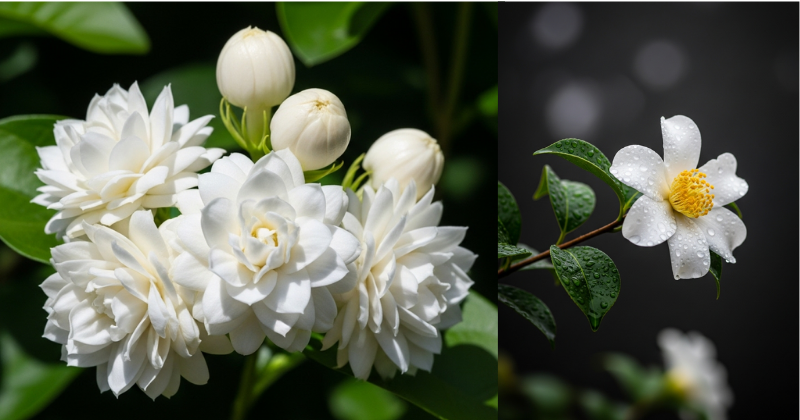
Jasmine speaks the language of tropical evenings and moonlit gardens. Several species share the common name “jasmine,” each offering its own interpretation of this beloved fragrance profile. True jasmines (Jasmine officinale and Jasmine sambac) produce intensely sweet, almost narcotic perfumes that strengthen dramatically after sunset—an evolutionary adaptation to attract night-flying moth pollinators.
Jasmine sambac, also known as Arabian jasmine, creates small white flowers that open at dusk, releasing waves of creamy, exotic perfume. In warmer climates, this plant blooms continuously, becoming a permanent source of fragrance. The flowers serve multiple purposes across cultures—strung into garlands in Southeast Asia, brewed into jasmine tea in China, extracted for perfume oils throughout the Middle East and India.
Confederate jasmine (Trachelospermum jasminoides) isn’t a true jasmine but produces similarly intoxicating fragrance from masses of small white pinwheel flowers. This vigorous vine tolerates more cold than true jasmines, making it accessible to gardeners in temperate zones. It blankets fences, arbors, and walls with both visual beauty and overwhelming sweetness during its spring bloom period.
Creating the Perfect Environment for Jasmine
Jasmine thrives in warmth and sunlight, though it appreciates some afternoon shade in intense heat climates. Rich, well-draining soil amended with organic matter supports the vigorous growth necessary for abundant flowering. During active growth and flowering periods, jasmine demands consistent moisture—allowing it to dry out reduces flower production and fragrance intensity.
For gardeners in cooler climates, growing jasmine in large containers allows you to move plants indoors during winter. Position them near frequently used spaces so their evening perfume can be fully appreciated. Even a single jasmine plant flowering in a sunroom can scent an entire home.
Lavender: Mediterranean Medicine for the Modern Soul
Lavender embodies the essence of sun-drenched Mediterranean hillsides—its fragrance carries notes of herbs, flowers, and something indefinably calming that has made it beloved for centuries. Beyond its aromatic appeal, lavender offers therapeutic properties recognized by modern aromatherapy and supported by scientific research showing its compounds genuinely reduce stress and promote relaxation.
English lavender (Lavandula angustifolia) produces the most refined fragrance, sweet and herbaceous without the camphorous notes found in some lavender species. French lavender (Lavandula dentata) offers year-round interest in mild climates with its toothed leaves and topped flower spikes. Spanish lavender (Lavandula stoechas) creates architectural flower heads with prominent bracts, though its scent leans more toward camphor than the classic lavender perfume.
A lavender hedge transforms into a living aromatherapy device—brushing against the foliage releases volatile oils that calm the nervous system and clear the mind. The dried flowers retain their fragrance for months, perhaps years, making lavender ideal for sachets, potpourri, and herbal preparations. Even in winter dormancy, lavender foliage maintains some fragrance when touched.
Mastering Lavender Cultivation for Maximum Aromatic Reward
Lavender demands what many gardeners find counterintuitive—lean soil, minimal water, and benign neglect. Originating from rocky Mediterranean hillsides, lavender develops the most concentrated essential oils when grown in well-draining, relatively infertile soil. Rich, heavily amended garden soil produces lush foliage but diluted fragrance. Full sun exposure is non-negotiable; shade reduces both flowering and aromatic intensity.
Proper pruning maintains lavender’s compact form and promotes prolific flowering. After the initial spring bloom fades, cut back flower stalks and shape plants lightly, removing about one-third of the green growth. This encourages a second, smaller bloom flush in late summer. Avoid cutting into old woody stems, as lavender regenerates poorly from mature wood.
Gardenia: Tropical Opulence in Waxy White Blooms
Gardenia perfume represents pure floral indulgence—creamy, rich, almost edibly sweet with hints of coconut and jasmine-like intensity. These glossy-leaved evergreen shrubs produce pristine white flowers that seem too perfect to be real, their waxy petals protecting the precious volatile oils within. The fragrance can overwhelm in enclosed spaces, which explains why gardenias appear so frequently in bridal bouquets and high-end perfumes.
Gardenia jasminoides thrives in warm, humid climates with acid soil—conditions that replicate its native Asian forest understory habitat. In ideal environments, gardenias bloom prolifically from late spring through summer, with some varieties offering sporadic autumn flowers. Each blossom opens white and gradually deepens to cream as it ages, the fragrance shifting subtly throughout this transformation.
For gardeners outside traditional gardenia territory, container cultivation offers possibilities. Dwarf varieties like ‘Radicans’ or ‘Chuck Hayes’ (slightly more cold-hardy) adapt well to pot culture, allowing you to control soil pH and move plants to protected locations during temperature extremes.
Troubleshooting Gardenia Growing Challenges
Gardenias communicate their needs through their appearance. Yellow leaves with green veins indicate iron chlorosis, common in alkaline soils—address this with chelated iron supplements and sulfur to acidify soil. Bud drop before flowers open signals environmental stress: sudden temperature changes, inconsistent watering, or insufficient humidity. Maintaining stable conditions during bud formation prevents this frustrating problem.
Pests find gardenias as attractive as humans do. Whiteflies, aphids, and scale insects frequently colonize these plants. Regular inspection and early intervention with insecticidal soap or horticultural oil prevents infestations from establishing. Strong fragrance doesn’t deter pests—it’s a myth that aromatic plants resist insect damage.
Fragrant Herbs: Aromatic Utility Meets Botanical Beauty
Herbs bridge the worlds of ornamental and edible gardening, offering powerful fragrances alongside culinary applications. Their aromatic oils serve defensive purposes in nature—deterring herbivores and inhibiting competing plants—but become gifts to humans who cultivate them. An herb garden becomes a living pharmacy and perfumery combined.
Rosemary releases pine-like, camphoraceous fragrance when touched, its needle-like leaves containing oils used in everything from cooking to cosmetics. Different cultivars offer variations—’Tuscan Blue’ provides strong upright growth, while prostrate varieties cascade beautifully over walls and containers. The flowers, appearing in cool seasons, attract beneficial pollinators with their delicate blue blooms.
Mint family members (Mentha species) offer countless variations on the theme of refreshing, cooling fragrance. Peppermint provides classic mint sharpness, while spearmint offers sweeter, gentler notes. Chocolate mint, pineapple mint, and orange mint demonstrate how breeding can create specific aromatic profiles. All mints spread aggressively—contain them in pots or be prepared for vigorous expansion.
Scented geraniums (Pelargonium species) deserve special mention for their incredible diversity of fragrances. Rose geranium, lemon geranium, coconut geranium, and dozens more offer leaves that, when crushed, release perfumes remarkably true to their names. These tender perennials thrive in containers, making them accessible to gardeners across climate zones.
Harvesting and Preserving Herbal Fragrances
Timing transforms herb harvesting from routine task to aromatic ritual. Collect herbs in mid-morning after dew evaporates but before intense heat dissipates volatile oils. For most herbs, harvest just before flowering when oil concentration peaks. Bundle small groups and hang upside down in a warm, dry, dark location with good air circulation—this preserves both color and fragrance.
Fragrant Flowering Trees and Shrubs for Landscape Impact
Certain trees and shrubs offer fragrance at a scale that transforms entire landscapes. These plants create aromatic landmarks that define seasons and places in memory.
Magnolia trees, particularly Southern magnolia (Magnolia grandiflora) and star magnolia (Magnolia stellata), produce enormous flowers with fruity-sweet lemon fragrance. Their blooms often appear in early spring, sometimes before leaves emerge, creating spectacular displays that perfume the awakening garden.
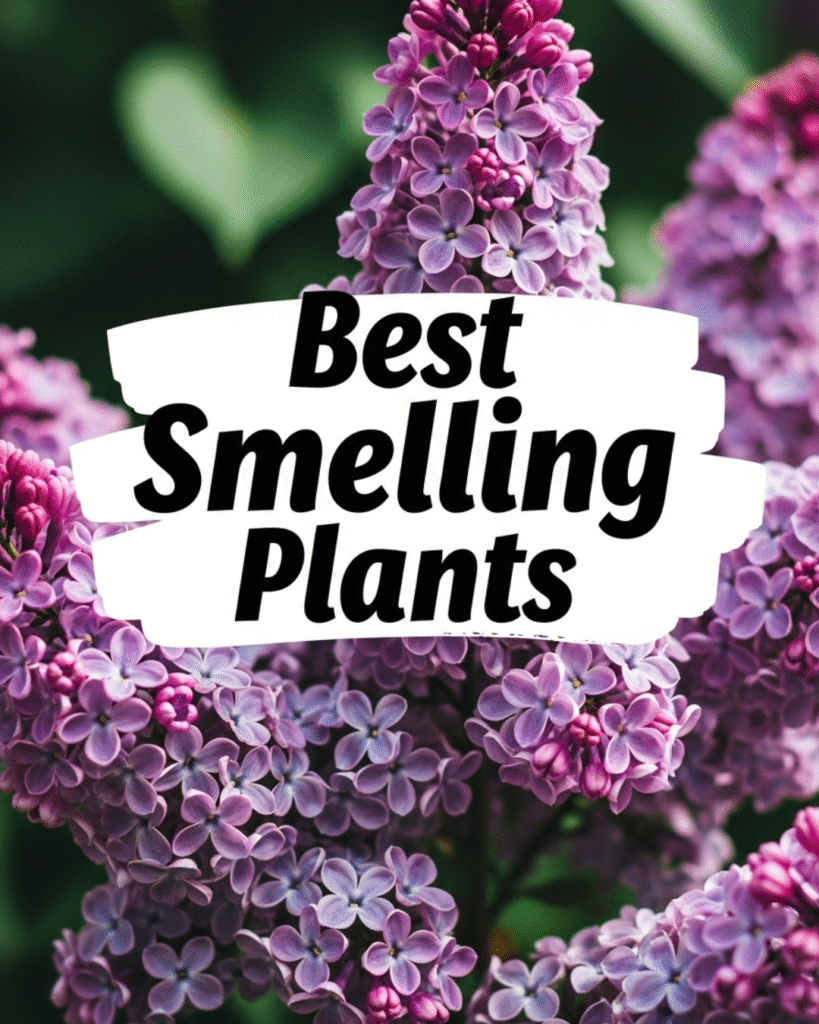
Lilac (Syringa vulgaris) epitomizes spring fragrance—its cone-shaped flower clusters release sweet, powdery perfume that carries remarkable distances. The brief but glorious bloom period marks seasonal transition in temperate climates. Newer varieties extend the color range beyond traditional purple, though purists insist the classic purple-blue forms offer the most authentic fragrance.
Mock orange (Philadelphus coronarius) produces masses of white flowers with intense orange-blossom fragrance. This deciduous shrub thrives in various conditions and requires minimal maintenance beyond occasional renewal pruning. Position it near outdoor living spaces where its June fragrance can be fully appreciated.
Daphne species offer some of the most powerful fragrances in the plant kingdom. Daphne odora, winter daphne, blooms in late winter with clusters of pink-and-white flowers that perfume entire gardens from just one modest-sized shrub. The plant’s reputation for being temperamental is somewhat exaggerated—provide excellent drainage and avoid disturbing established plants.
Integrating Fragrant Woody Plants into Landscape Design
Large fragrant plants require thoughtful placement since they cannot be easily relocated once established. Consider mature size, ensuring adequate space for full development. Position them where prevailing breezes carry their fragrance toward frequently used areas. Near patios, decks, or along pathways where people naturally pause, fragrant trees and shrubs create memorable sensory experiences.
Night-Blooming Fragrant Plants: When Darkness Releases Perfume
Some of nature’s most intoxicating fragrances emerge only after sunset, filling evening gardens with mysterious perfumes. These plants have evolved to attract night-active pollinators—moths and bats—that navigate by scent rather than sight.
Night-blooming jasmine (Cestrum nocturnum) produces unremarkable tubular greenish-white flowers that release overwhelming sweet fragrance after dark. A single plant can perfume an entire yard, the scent sometimes traveling surprising distances on night breezes. Its intensity proves too much for some people, causing headaches in enclosed spaces, but positioned strategically outdoors, it creates magical evening experiences.
Angel’s trumpet (Brugmansia species) dangles huge trumpet-shaped flowers that open wider and release stronger fragrance as evening progresses. The perfume blends sweet floral notes with subtle spicy undertones. All parts of this plant are toxic, requiring careful placement away from children and pets, but its dramatic appearance and intoxicating evening scent make it a favorite where it can be grown safely.
Four o’clocks (Mirabilis jalapa) earned their common name by opening their flowers in late afternoon, releasing sweet fragrance that intensifies through evening hours. These reliable, easy-to-grow perennials (or annuals in cold climates) self-seed generously, creating expanding patches of evening color and perfume.
Conclusion: Cultivating Your Personal Aromatic Paradise
Creating a fragrant garden represents one of gardening’s most rewarding pursuits—each season bringing new waves of perfume that mark time’s passage and create lasting sense memories. The best smelling plants offer more than temporary beauty; they forge deep connections between gardener and garden, between the present moment and treasured memories, between the cultivated landscape and wild nature’s generous gifts.
Begin your fragrant garden journey by selecting just a few plants that genuinely excite you. Perhaps a climbing rose trained over an arbor, a patch of lavender bordering a pathway, or night-blooming jasmine near a bedroom window. As these establish and begin perfuming your space, you’ll discover how profoundly scent shapes your experience of home and garden.
Remember that fragrance gardening rewards patience. Many aromatic plants take several years to reach their full potential, developing the mature root systems and branch structures necessary for abundant flowering. Trust the process, nurture your plants through establishment, and soon you’ll find yourself stepping into your own private perfumery—a garden that engages not just eyes but the powerful, memory-laden sense of smell. Your aromatic sanctuary awaits, ready to be planted one fragrant treasure at a time.