Meta Description: Discover the health benefits of red meat and kidney beans, compare their nutritional profiles, and learn how to balance protein choices for optimal wellness.
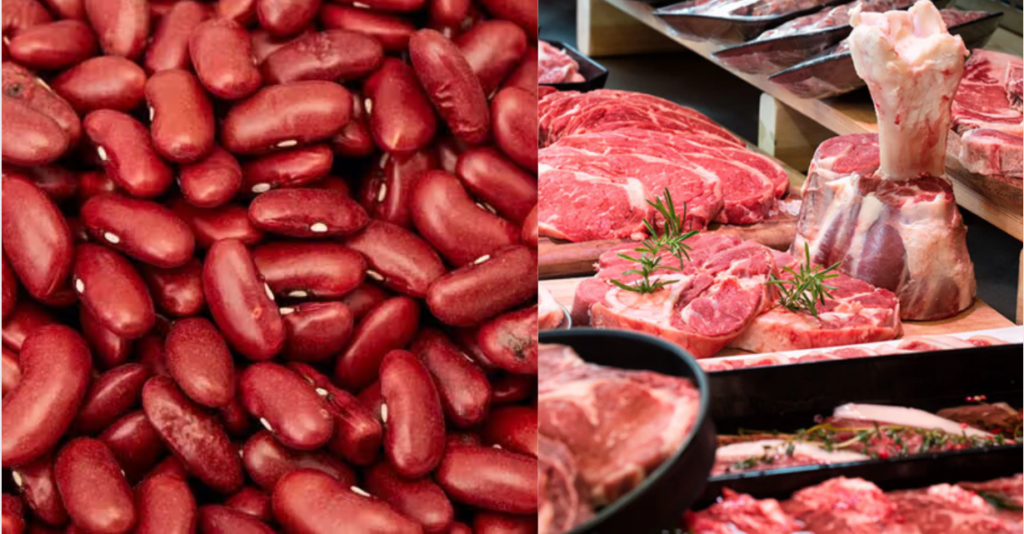
Introduction
Did you know that both red meat and kidney beans provide essential nutrients, yet they impact your body in very different ways? Choosing between animal-based and plant-based proteins can influence your heart health, energy levels, and overall wellness. Understanding the benefits—and potential drawbacks—of each allows you to make informed decisions that support your lifestyle and health goals.
In this article, we’ll explore the nutritional profiles, health effects, and practical strategies for incorporating red meat and kidney beans into your diet. By the end, you’ll have a clear perspective on which protein source works best for you—or how to balance both for maximum benefit.
Section 1: The Basics of Protein Sources
H3: Red Meat – Nutrient Powerhouse
Red meat, including beef, lamb, and pork, is a rich source of:
- High-quality complete protein
- Iron, especially heme iron which is easily absorbed
- Vitamin B12 for energy and neurological health
- Zinc for immune support
It’s particularly beneficial for individuals with higher protein needs, such as athletes or those recovering from illness.
H3: Kidney Beans – Plant-Based Nutrition
Kidney beans provide:
- Plant-based protein, ideal for vegetarians and vegans
- Dietary fiber for digestive health and cholesterol management
- Folate and magnesium for heart and metabolic support
- Antioxidants that help reduce inflammation
Unlike red meat, kidney beans are low in saturated fat, making them heart-friendly options.
Section 2: Health Benefits Comparison
H3: Heart Health
- Red Meat: Regular consumption of processed red meats has been linked to higher cholesterol and cardiovascular risk. Choosing lean cuts and limiting processed forms helps reduce negative impact.
- Kidney Beans: The fiber and antioxidants in kidney beans help lower LDL cholesterol and stabilize blood sugar, supporting heart health.
H3: Muscle and Bone Support
- Red Meat: Provides complete proteins and essential amino acids critical for muscle maintenance and repair. Also contains bioavailable minerals like phosphorus and zinc for bone health.
- Kidney Beans: While they offer good protein, plant-based proteins may require combining with grains for a complete amino acid profile. Beans still support muscle repair when part of a varied diet.
H3: Weight Management and Satiety
- Red Meat: High protein content promotes satiety but can be calorie-dense, so portion control is important.
- Kidney Beans: Fiber-rich, low-calorie, and filling, making them excellent for weight management and digestive health.
Section 3: Potential Drawbacks
H3: Red Meat Concerns
- High in saturated fats if not choosing lean cuts
- Overconsumption linked to increased risk of heart disease and certain cancers
- Environmental impact considerations for sustainability
H3: Kidney Beans Concerns
- Contain anti-nutrients like lectins, which may cause digestive discomfort if beans are undercooked
- Lower bioavailability of certain minerals compared to animal sources
- Require proper preparation to maximize nutrition and minimize digestive issues
Section 4: Practical Tips for Balanced Consumption
H3: Combining Both for Nutritional Balance
- Mix plant-based proteins with lean red meat in meals to diversify nutrient intake
- Pair kidney beans with whole grains to ensure complete amino acid profiles
- Rotate protein sources to benefit from both plant and animal nutrients
H3: Cooking Considerations
- Red Meat: Opt for grilling, baking, or broiling to reduce added fats
- Kidney Beans: Soak and cook thoroughly to neutralize anti-nutrients and improve digestibility
H3: Portion Guidance
- Lean red meat: 3–4 ounces per meal, 2–3 times per week
- Kidney beans: 1 cup cooked per serving, can be consumed daily as part of a varied diet
Section 5: Maximizing Health Benefits
H3: Red Meat Tips
- Choose grass-fed or lean cuts for better omega-3 and lower saturated fat content
- Limit processed meats like sausages and bacon
- Pair with vegetables and whole grains to improve meal balance
H3: Kidney Bean Tips
- Combine with colorful vegetables for antioxidant synergy
- Use in soups, salads, or as a meat substitute in chili and casseroles
- Gradually increase intake if new to legumes to prevent digestive discomfort
H3: Lifestyle Integration
- Incorporate both protein sources according to your personal health goals, dietary preferences, and activity levels
- Regular exercise and hydration enhance the benefits of a balanced diet
- Mindful eating supports nutrient absorption and overall wellness
Conclusion
Both red meat and kidney beans offer unique health benefits. Red meat excels in providing complete protein, heme iron, and B12, while kidney beans shine with fiber, antioxidants, and heart-friendly nutrients. By understanding their strengths and limitations, you can make informed choices, or even combine them strategically for optimal health.
The key is balance, mindful portions, and diversity. Whether you favor plant-based proteins, lean meats, or a combination, you have the power to shape a diet that nourishes your body, supports your lifestyle, and promotes long-term wellness.
Important Disclaimer: This article is for informational purposes only and should not replace professional advice. Consult a healthcare provider or registered dietitian for personalized nutrition guidance. Individual results may vary.