Meta Description: Compare chicken breast and chickpeas to discover their nutritional benefits, protein content, and how to balance them in a healthy diet for optimal wellness.
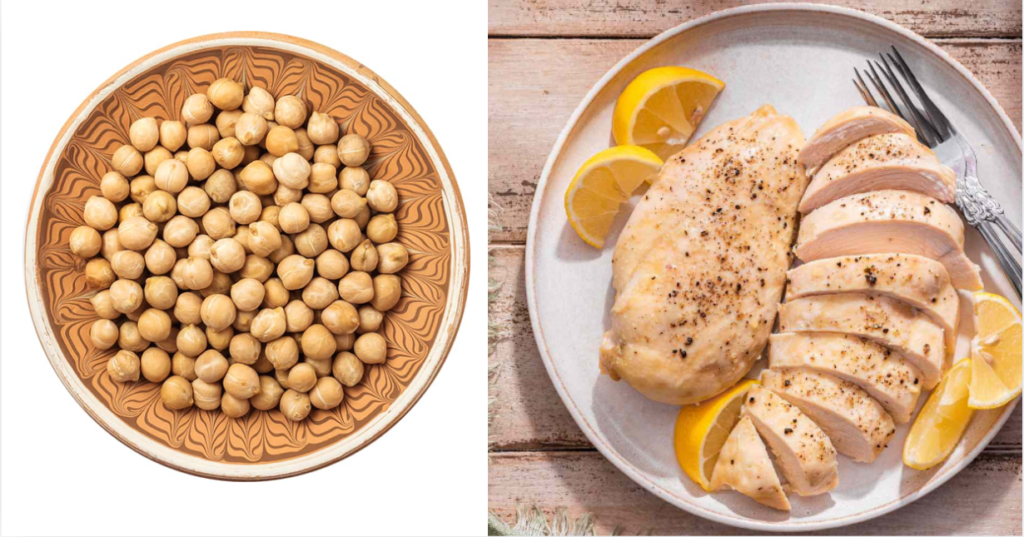
Introduction
Did you know that both chicken breast and chickpeas are excellent sources of protein, yet they offer very different nutritional profiles? Choosing between animal-based and plant-based proteins can shape your health, energy levels, and even your weight management goals. Understanding the strengths and limitations of each helps you make smarter, balanced dietary choices.
In this article, we’ll dive into the nutritional differences, health benefits, and practical ways to incorporate chicken breast and chickpeas into your meals. By the end, you’ll have the knowledge to create meals that meet your protein needs while supporting long-term wellness.
Section 1: Protein Powerhouses – Understanding the Basics
H3: Chicken Breast – Lean and Complete
Chicken breast is celebrated for being:
High in complete protein, containing all essential amino acids
Low in fat when skinless, making it ideal for lean diets
Rich in B vitamins, especially niacin and B6, supporting metabolism and energy
Contains selenium and phosphorus for immunity and bone health
It’s perfect for athletes, fitness enthusiasts, and anyone aiming to build or maintain muscle.
H3: Chickpeas – Plant-Based Nutrition
Chickpeas, also known as garbanzo beans, offer:
Plant-based protein, suitable for vegetarians and vegans
High dietary fiber that aids digestion and promotes satiety
Folate, magnesium, and iron to support heart and metabolic health
Antioxidants that help reduce inflammation and oxidative stress
Chickpeas are versatile, from salads and soups to hummus and stews, making them easy to integrate into a plant-forward diet.
Section 2: Comparing Health Benefits
H3: Heart and Cholesterol Health
Chicken Breast: Low in saturated fat compared to red meat, which supports heart health. Grilling or baking enhances health benefits.
Chickpeas: Fiber and plant compounds help lower LDL cholesterol and stabilize blood sugar, supporting cardiovascular wellness.
H3: Muscle and Bone Support
Chicken Breast: Provides complete proteins essential for muscle repair, growth, and maintenance.
Chickpeas: While not a complete protein on their own, pairing with grains like rice or quinoa provides all essential amino acids for muscle support.
H3: Weight Management and Satiety
Chicken Breast: High-protein, low-fat, and calorie-conscious, keeping you full and energized.
Chickpeas: Fiber-rich, slow-digesting carbs help maintain fullness and support healthy digestion.
Section 3: Potential Drawbacks
H3: Chicken Considerations
Overcooking or frying adds unnecessary fat and calories
May contain traces of antibiotics or hormones depending on source—opt for organic or responsibly raised options
Limited fiber content, requiring plant foods to round out meals
H3: Chickpea Considerations
May cause bloating or gas if introduced too quickly
Lower bioavailability of some minerals compared to animal proteins
Requires proper cooking or soaking to neutralize anti-nutrients like lectins
Section 4: Practical Tips for Balanced Consumption
H3: Combining Animal and Plant Proteins
Mix chickpeas with chicken in salads, grain bowls, or stews to diversify nutrients
Use chickpeas as a meat alternative a few times per week to lower saturated fat intake
Rotate protein sources to enjoy both nutritional benefits
H3: Cooking and Preparation Tips
Chicken Breast: Bake, grill, or poach for healthier meals; avoid heavy sauces
Chickpeas: Soak and cook thoroughly; canned chickpeas are convenient but rinse to reduce sodium
H3: Portion Guidance
Chicken breast: 3–4 ounces per meal, up to 2–3 times per week for lean protein support
Chickpeas: 1 cup cooked per serving, ideal for daily consumption as part of balanced meals
Section 5: Maximizing Health Benefits
H3: Chicken Breast Tips
Opt for skinless, lean cuts to reduce fat intake
Pair with vegetables and whole grains for a nutrient-rich plate
Rotate with other proteins like fish or beans for dietary diversity
H3: Chickpea Tips
Incorporate into soups, salads, or spreads like hummus
Combine with whole grains for complete protein
Add spices and herbs for flavor and additional antioxidant benefits
H3: Lifestyle Integration
Balance plant and animal proteins according to activity level, dietary preferences, and health goals
Stay hydrated and maintain regular physical activity to support protein utilization
Mindful eating enhances nutrient absorption and supports overall wellness
Conclusion
Both chicken breast and chickpeas are powerful protein sources, each with unique health benefits. Chicken provides complete proteins and essential nutrients for muscle and energy, while chickpeas offer fiber, plant-based protein, and heart-friendly compounds. By understanding their strengths, you can incorporate both into your diet strategically, enjoy variety, and support long-term health.
Whether you lean toward plant-based meals, animal proteins, or a combination, you have the tools to design a balanced, nourishing diet that fuels your body, promotes wellness, and aligns with your lifestyle.
Important Disclaimer: This article is for informational purposes only and should not replace professional advice. Consult a registered dietitian or healthcare provider for personalized nutrition guidance. Individual results may vary.