Meta Description: Gut healers and harmonizers like probiotic cultures support digestion, immunity, and balance. Discover how to restore gut health naturally through food and lifestyle.
Your gut is often called your “second brain,” and for good reason. It influences digestion, immunity, energy levels, mood, and even skin health. When your gut is balanced, you feel light, energetic, and clear-minded. When it’s not, symptoms like bloating, fatigue, irregular digestion, and inflammation can appear.
That’s where gut healers & harmonizers: a complete guide to digestive balance with probiotic cultures becomes important. Probiotics are beneficial microorganisms that help restore harmony in your digestive system, supporting a healthy balance between good and bad bacteria.
In this guide, you’ll discover how probiotic cultures work, which foods naturally support gut healing, and how to build a long-term digestive balance that supports your overall well-being.
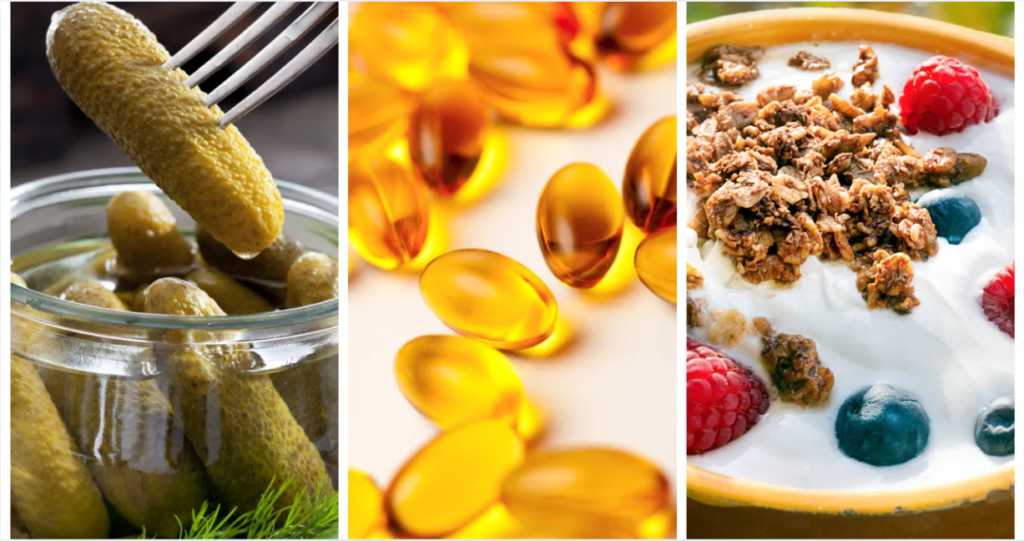
Understanding Gut Health: The Foundation of Digestive Balance
Your gut is home to trillions of microorganisms known as the gut microbiome. These bacteria play a vital role in digestion and overall health.
What the gut microbiome does
A healthy gut microbiome helps:
- Break down food efficiently
- Absorb nutrients properly
- Strengthen the immune system
- Regulate inflammation
- Support mood and brain function
When this ecosystem is balanced, your body functions smoothly.
What disrupts gut balance?
Several modern lifestyle factors can disturb gut harmony:
- Highly processed foods
- Excess sugar intake
- Stress and poor sleep
- Antibiotic use
- Low fiber diets
When “bad” bacteria outnumber “good” bacteria, digestive issues often begin.
What Are Probiotic Cultures and Why They Matter
Probiotic cultures are live beneficial bacteria that support a healthy gut environment.
How probiotics work
Once consumed, probiotics:
- Help restore healthy gut bacteria
- Improve digestion efficiency
- Reduce harmful microbial growth
- Support nutrient absorption
Think of probiotics as “peacekeepers” that restore balance in your digestive system.
Natural sources of probiotic cultures
You can find probiotics in fermented foods such as:
- Yogurt with live cultures
- Kefir
- Sauerkraut
- Kimchi
- Miso
- Fermented pickles
These foods naturally introduce beneficial bacteria into your gut.
Featured Snippet: What are gut healers and harmonizers?
Gut healers and harmonizers are foods, nutrients, and probiotic cultures that help restore balance in the digestive system. They support healthy gut bacteria, improve digestion, reduce inflammation, and enhance nutrient absorption. Common examples include yogurt, kefir, fermented vegetables, and fiber-rich foods that feed beneficial bacteria.
Best Gut-Healing Foods for Digestive Balance
Healing your gut is not just about adding probiotics—it’s also about feeding them properly.
1. Probiotic-rich foods (good bacteria sources)
These foods introduce beneficial bacteria directly into your gut:
- Yogurt (with live cultures)
- Kefir
- Kimchi
- Sauerkraut
- Kombucha
2. Prebiotic foods (fuel for good bacteria)
Prebiotics feed probiotics and help them thrive.
Examples include:
- Garlic
- Onions
- Bananas
- Oats
- Asparagus
3. Fiber-rich foods (gut cleaners)
Fiber helps move waste through the digestive system and supports microbial diversity:
- Lentils
- Whole grains
- Apples
- Chia seeds
- Leafy greens
Step-by-Step Guide to Restoring Gut Balance Naturally
Building gut health takes consistency, not quick fixes.
Step 1: Add probiotics daily
Start with small servings of fermented foods:
- 1 cup yogurt
- 1 glass kefir
- A spoon of sauerkraut
Step 2: Increase fiber gradually
Too much fiber too quickly can cause bloating. Increase slowly:
- Add vegetables to every meal
- Choose whole grains instead of refined ones
Step 3: Stay hydrated
Water helps fiber do its job and supports digestion.
Step 4: Reduce gut disruptors
Limit:
- Sugary drinks
- Ultra-processed snacks
- Excess alcohol
Advanced Gut Harmonizing Strategies
Once your basics are in place, you can go deeper.
1. Combine probiotics and prebiotics
This combination is called synbiotics, and it boosts gut health more effectively.
Example:
- Yogurt + banana
- Kefir + oats
2. Time your meals
Giving your gut time to rest between meals supports digestion efficiency.
3. Support the gut-brain connection
Your gut and brain communicate constantly. Stress management is key:
- Deep breathing
- Walking
- Quality sleep
Troubleshooting Common Gut Issues
Even with healthy habits, your gut may need time to adjust.
Bloating after probiotics
This is common at first. It usually improves as your microbiome adapts.
Persistent digestive discomfort
Possible causes include:
- Food intolerances
- Gut imbalance
- Overuse of processed foods
Slow improvement
Gut healing is gradual. It can take weeks or months to fully rebalance.
Long-Term Gut Health Strategies
To maintain a healthy digestive system, consistency matters.
1. Eat a diverse diet
Different foods feed different bacteria. Variety is key.
2. Prioritize whole foods
Whole foods naturally support microbiome diversity.
3. Manage stress regularly
Chronic stress can directly impact gut bacteria balance.
4. Support sleep quality
Poor sleep can disrupt digestion and gut repair cycles.
Internal Health Connections You Should Know
Gut health is deeply connected to many other systems:
- Immune system strength
- Mental health and mood stability
- Skin clarity and inflammation
- Energy metabolism
- Hormonal balance
A healthy gut often improves the entire body.
Conclusion
Your gut is the foundation of your overall health, and gut healers & harmonizers: a complete guide to digestive balance with probiotic cultures shows how powerful small daily choices can be. By combining probiotic-rich foods, fiber, and mindful habits, you can restore balance and support your digestive system naturally.
Healing the gut is not about perfection—it’s about consistency. When you nourish your microbiome, you support your energy, immunity, and long-term well-being from the inside out.
Start small, stay consistent, and your gut will thank you.
Important Disclaimer: This article is for informational purposes only and should not replace professional medical advice. If you have persistent digestive issues or health concerns, consult a qualified healthcare provider. Individual responses to dietary changes and probiotics may vary.