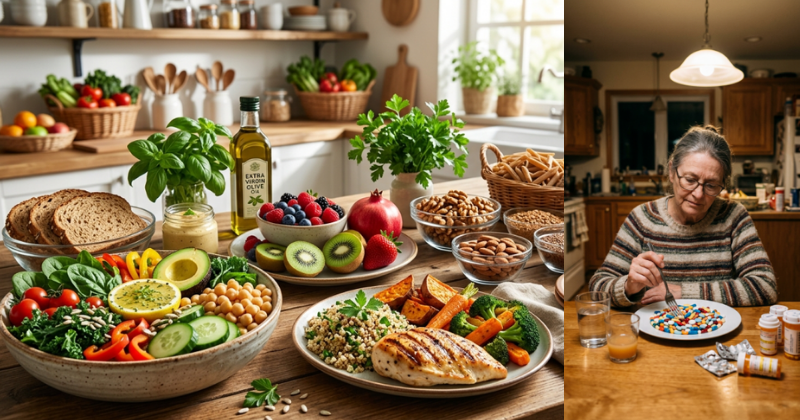
Hippocrates, the father of modern medicine, famously said, “Let food be thy medicine and medicine be thy food.” Yet today, many people reach for a pill bottle first and skip the produce aisle. With rising rates of chronic conditions like inflammation, fatigue, digestive issues, and heart concerns, the choice feels more urgent than ever: eat food as medicine for prevention and healing, or treat medicine like food and rely on synthetic solutions? This guide breaks down both approaches with clear science, real-world benefits, practical steps, and honest trade-offs so you can decide what fits your life. Whether you’re dealing with everyday wellness or looking to reduce reliance on prescriptions, you’ll walk away with actionable tips to make food your daily ally. No extreme diets—just realistic, evidence-based ways to nourish your body from the inside out.
Understanding “Food as Medicine” vs. “Medicine as Food”
Food as medicine means using whole, nutrient-dense foods to support the body’s natural healing processes. Think turmeric for inflammation, berries for antioxidants, or fermented foods for gut health. It’s proactive, preventive, and rooted in centuries of traditional practices now backed by modern research.
Medicine as food, on the other hand, refers to treating supplements, vitamins, or prescription drugs as daily staples—popping pills for energy, immunity, or pain without addressing root causes through diet. While medications save lives in acute situations, long-term reliance can sometimes mask symptoms rather than resolve them.
The decision isn’t all-or-nothing. Most experts agree the ideal path combines both: use food as the foundation and medicine when truly needed. But shifting toward food-first can dramatically improve energy, immunity, and quality of life.
The Science Behind Food as Medicine
Every bite sends signals to your cells. Anti-inflammatory compounds in leafy greens, omega-3s in fatty fish, and polyphenols in dark chocolate directly influence gene expression, reduce oxidative stress, and balance hormones. A 2023 review in Nutrients showed that diets rich in whole foods lowered markers of chronic inflammation by up to 30% in just 8 weeks—results comparable to some over-the-counter anti-inflammatories, without side effects.
Gut health provides another powerful example. The microbiome (trillions of bacteria in your digestive tract) thrives on fiber from vegetables, fruits, and whole grains. When it’s balanced, it produces short-chain fatty acids that calm the immune system and even influence mood via the gut-brain axis. Studies from Harvard Medical School link poor diets to higher risks of depression, while Mediterranean-style eating patterns rich in plants cut heart disease risk by 25–30%.
In contrast, over-reliance on isolated supplements or medications can disrupt natural processes. For instance, long-term use of certain acid blockers may reduce nutrient absorption, creating a cycle of needing more pills. Food delivers nutrients in synergistic packages—fiber, vitamins, and minerals working together—something no single capsule can fully replicate.
Key Benefits of Choosing Food as Medicine
People who adopt a food-first mindset often report:
- Steady energy and fewer crashes: Complex carbs, healthy fats, and proteins from real food stabilize blood sugar better than quick-fix supplements.
- Stronger immunity: Vitamin C from citrus, zinc from seeds, and probiotics from yogurt work preventively, reducing sick days.
- Natural weight management: Whole foods are more filling and satisfying, making calorie control effortless.
- Better mood and mental clarity: Omega-3s, B vitamins, and antioxidants support brain health without the fog some medications cause.
- Reduced inflammation and pain: Ginger, garlic, and cherries have been shown in clinical trials to ease joint discomfort comparably to low-dose NSAIDs for some people.
- Long-term cost savings: Fresh produce and pantry staples are often cheaper than monthly supplement subscriptions or co-pays.
These benefits compound over months, creating a foundation of health that feels sustainable rather than forced.
When Medicine Still Plays a Role (And How Food Supports It)
Certain conditions require medical intervention—antibiotics for infections, insulin for diabetes, or statins for genetically high cholesterol. The smart choice isn’t rejecting medicine; it’s using food to enhance its effectiveness and potentially reduce dosage over time under medical supervision.
For example, pairing blood-pressure medication with a potassium-rich diet (bananas, spinach, sweet potatoes) can improve outcomes. Always consult your doctor before making changes, especially if you take prescriptions.
6 Practical Ways to Start Eating Food as Medicine Today
You don’t need a total kitchen overhaul. Begin with these simple, step-by-step strategies:
- Build Every Plate Around Plants Fill half your plate with colorful vegetables and fruits. Aim for 5–7 servings daily. Start by adding spinach to breakfast eggs or berries to oatmeal.
- Choose Anti-Inflammatory Staples Stock turmeric (pair with black pepper for better absorption), ginger, garlic, olive oil, and fatty fish. A simple golden milk recipe: warm 1 cup almond milk + ½ tsp turmeric + pinch black pepper + honey to taste. Drink nightly.
- Ferment for Gut Power Make quick pickles or buy plain sauerkraut. Step-by-step: slice cabbage, massage with 1 tsp sea salt per cup, pack into a jar, and let sit 3–7 days at room temperature. Eat 1–2 tablespoons daily.
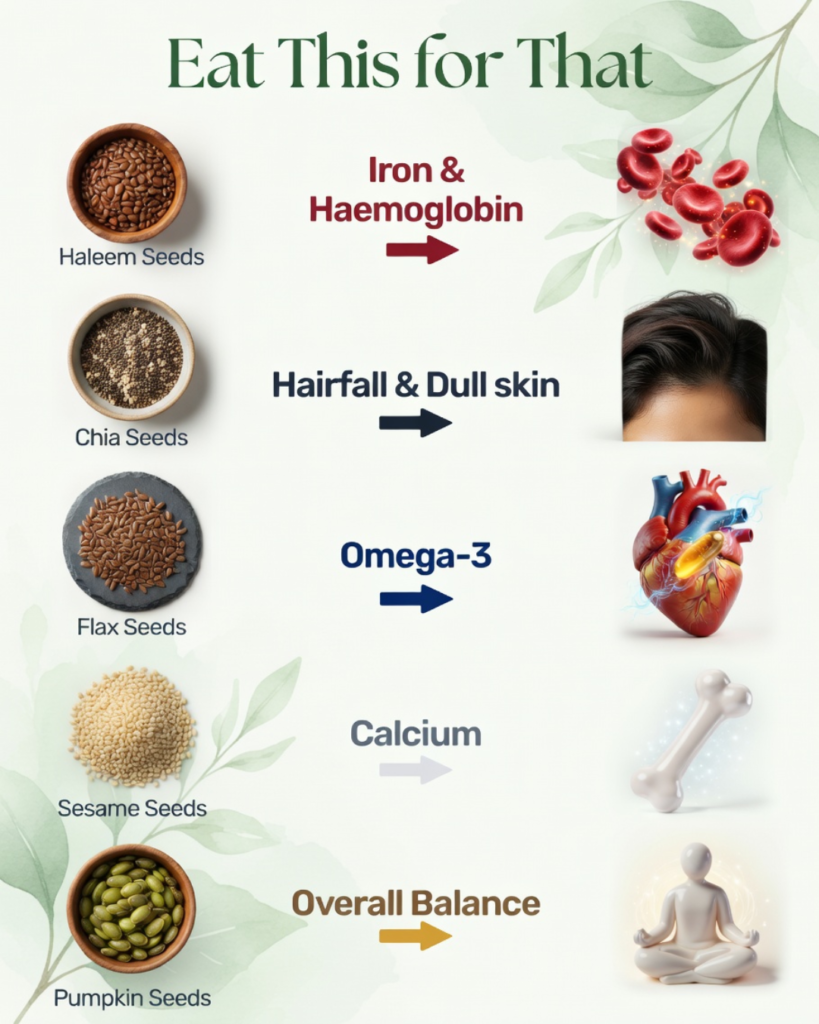
- Swap Processed Snacks for Healing Ones Replace chips with a handful of walnuts or apple slices with almond butter. Prep “medicine jars” on Sunday: layer overnight oats with chia seeds, flax, and cinnamon.
- Herbal Teas as Daily Medicine Brew ginger-lemon tea for digestion or chamomile for calm. Recipe: steep 1-inch fresh ginger + juice of half a lemon in hot water for 10 minutes. Drink 2 cups daily.
- Mindful Meal Timing Eat within a 12-hour window to support circadian rhythms and digestion. Example: finish dinner by 7 pm and wait until 7 am for breakfast.
Track how you feel after two weeks—most notice better digestion and energy within days.
Common Mistakes That Sabotage Food-as-Medicine Results
- Expecting overnight miracles: Food works gradually; give it 4–6 weeks of consistency.
- Ignoring quality: Choose organic when possible for produce on the “Dirty Dozen” list and grass-fed meats to avoid added hormones.
- Over-supplementing anyway: Whole foods first, then targeted supplements only after bloodwork shows gaps.
- All-or-nothing thinking: One indulgent meal doesn’t ruin progress—focus on the next one.
- Forgetting hydration: Water carries nutrients; aim for half your body weight in ounces daily.
Customizing Food as Medicine for Your Lifestyle
- Busy professionals: Prep smoothie packs with spinach, banana, ginger, and turmeric in the freezer.
- Families with kids: Make “rainbow plates” a game—see who gets the most colors.
- Athletes: Add tart cherry juice post-workout for natural recovery.
- Budget-friendly: Focus on seasonal produce, beans, lentils, and eggs—the most affordable nutrient powerhouses.
- Vegan or plant-based: Emphasize legumes, nuts, seeds, and leafy greens for complete protein and minerals.
Conclusion: The Choice Is Yours—And Your Body Will Thank You
Eating food as medicine isn’t about perfection or rejecting modern healthcare; it’s about giving your body the raw materials it evolved to use for repair and vitality. Science shows whole foods can prevent, manage, and sometimes reverse chronic issues in ways isolated medicines cannot. Medicine as food has its place for acute needs, but building habits around real nourishment creates sustainable wellness that lasts a lifetime. Start small this week—add one anti-inflammatory food daily or try the golden milk recipe tonight. Listen to how your body responds, work with your healthcare provider, and decide what feels right for you. Your future self will thank you for choosing the path that nourishes rather than just treats. Save this guide, share it with someone ready to feel better naturally, and enjoy the simple power of food as your daily medicine.