Meta Description: Explore the benefits of vaccination and learn essential tips for safe storage of vaccines to ensure maximum effectiveness and protection.
Introduction
Vaccination is one of the most powerful tools in modern medicine, protecting millions of people from infectious diseases every year. From childhood immunizations to seasonal flu shots, vaccines are designed to train your immune system to recognize and fight pathogens before they can cause serious illness. Understanding both the benefits of vaccination and the proper handling and safe storage of vaccines is essential for individuals, healthcare providers, and caregivers.
In this article, you will discover how vaccines protect your health, why maintaining their effectiveness through proper storage is critical, and practical strategies for ensuring vaccines remain safe and potent. By the end, you’ll feel empowered to make informed decisions about immunizations for yourself and your loved ones.
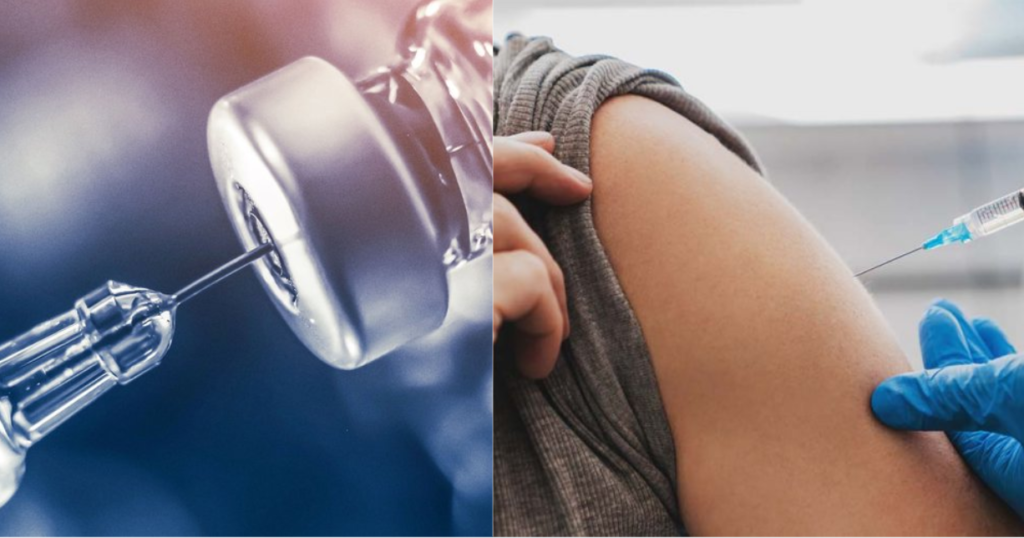
Section 1: Foundation – The Science Behind Vaccination
Before diving into storage and logistics, it’s important to understand how vaccines work and why they’re essential.
H3: How Vaccines Protect You
Vaccines work by introducing a harmless form of a pathogen—such as a protein, weakened virus, or inactivated bacteria—to your immune system. This triggers an immune response that creates memory cells capable of recognizing and fighting the pathogen in future encounters. Benefits include:
- Preventing disease before it occurs
- Reducing severity if infection happens
- Protecting communities through herd immunity
H3: Types of Vaccines
Vaccines come in several forms, each with unique characteristics:
- Live attenuated vaccines: Contain a weakened form of the virus (e.g., MMR vaccine)
- Inactivated vaccines: Contain killed pathogens that cannot replicate (e.g., polio vaccine)
- Subunit, recombinant, and conjugate vaccines: Contain only specific components of the pathogen
- mRNA vaccines: Teach cells to produce a harmless protein that triggers immunity (e.g., COVID-19 vaccines)
H3: Addressing Common Concerns
Some people worry about side effects or long-term effects of vaccines. Most side effects are mild, like soreness at the injection site or a low-grade fever. The protective benefits far outweigh these minor inconveniences, especially for vulnerable populations like infants, older adults, and people with chronic conditions.
Section 2: Step-by-Step Guide to Safe Vaccine Storage
Proper storage ensures that vaccines remain potent and effective. Even the most advanced vaccines can fail if mishandled.
H3: Temperature Control
Most vaccines must be stored at precise temperatures:
- Refrigerated vaccines: Typically stored at 2–8°C (36–46°F)
- Frozen vaccines: Stored at -15 to -50°C depending on manufacturer recommendations
Temperature excursions, even for a short period, can reduce vaccine effectiveness.
H3: Handling and Monitoring
- Use digital data loggers to continuously monitor temperatures
- Avoid frequent opening of storage units to maintain stable conditions
- Keep vaccines away from sunlight and moisture
H3: Transportation and Logistics
Vaccines often travel long distances before reaching clinics:
- Use insulated containers with ice packs for short-term transport
- Monitor temperature during transit
- Avoid stacking vaccines in a way that restricts airflow or causes uneven cooling
Section 3: Advanced Strategies for Maximizing Vaccine Safety
H3: Emergency Preparedness
Healthcare providers should have protocols for power outages or equipment failure:
- Backup generators for refrigerators
- Contingency plans for transferring vaccines to alternate storage
- Documentation of temperature logs for accountability
H3: Training and Education
Staff responsible for vaccines must receive ongoing training:
- Proper handling techniques
- Understanding shelf-life and expiration dates
- Recognizing signs of compromised vaccines
H3: Innovative Storage Solutions
Emerging technologies help maintain vaccine potency:
- Solar-powered refrigerators for remote areas
- Temperature-stable formulations of some vaccines
- Smart sensors with real-time alerts for temperature fluctuations
Section 4: Troubleshooting Common Challenges
H4: Temperature Excursions
If vaccines are exposed to inappropriate temperatures:
- Check the manufacturer’s guidance for whether the vaccine can still be used
- Document the incident and notify relevant health authorities
- Avoid administering compromised vaccines to prevent ineffective immunization
H4: Supply Chain Delays
Delays can compromise vaccines:
- Prioritize vaccines with shorter shelf lives
- Implement first-expired, first-out (FEFO) rotation strategies
- Maintain buffer stock to prevent shortages
H4: Public Hesitancy
Some patients may resist vaccination due to misinformation:
- Provide clear, evidence-based information
- Highlight benefits for personal and community health
- Address fears respectfully and empathetically
Section 5: Maximizing Results – Combining Vaccination with Healthy Practices
Vaccination works best when paired with healthy lifestyle habits:
H3: Maintaining a Strong Immune System
- Balanced diet rich in fruits, vegetables, and protein
- Regular exercise to support circulation and immune function
- Adequate sleep for optimal immune response
H3: Staying Informed
- Keep up-to-date with recommended vaccines for your age group and region
- Use reputable sources like the CDC, WHO, or local health authorities
- Schedule regular check-ups to ensure immunity is maintained
H3: Internal Linking Opportunities
- “How Herd Immunity Protects Communities”
- “Common Vaccine Myths Debunked”
- “Seasonal Flu Vaccine: Timing and Effectiveness”
- “Immunization Guidelines for Infants and Children”
Featured Snippet: Why is Vaccine Storage Important?
Proper vaccine storage is critical because vaccines can lose potency if exposed to incorrect temperatures, light, or moisture. Safe storage ensures vaccines remain effective in preventing disease, protecting both individuals and communities.
Conclusion
Vaccination is a cornerstone of public health, offering protection against life-threatening diseases. By understanding the benefits of vaccination and following best practices for safe storage, you can ensure that vaccines provide maximum protection. Empower yourself and your community by staying informed, supporting proper vaccine handling, and prioritizing immunizations. Remember, effective vaccination is a proactive step toward a healthier future for everyone.
Important Disclaimer: This article is for informational purposes only and should not replace professional advice. For health-related topics, consult healthcare providers. Individual results may vary, and personal circumstances should always be considered when implementing any suggestions.