Meta Description: Compare eggs and liver in terms of protein, fats, vitamins, and minerals to understand which food offers superior nutritional benefits for different health goals.
Both Egg and Liver are considered highly nutritious animal-based foods. However, they differ significantly in nutrient density, vitamin concentration, and macronutrient balance.
Understanding their strengths helps determine which is better suited for energy, muscle building, or micronutrient replenishment.
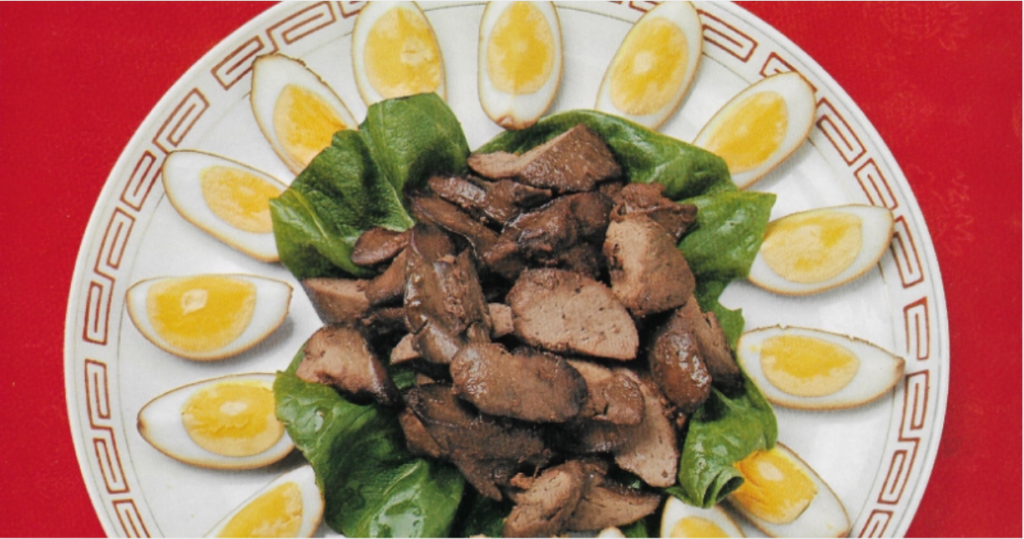
Featured Snippet: Eggs vs liver — which is healthier?
Eggs are balanced in protein and healthy fats, while liver is far richer in vitamins and minerals. Eggs are better for everyday consumption, while liver is superior for correcting micronutrient deficiencies.
Macronutrient Comparison
1. Protein content
Eggs
- High-quality complete protein
- ~6–7 g protein per large egg
- Excellent amino acid profile
Liver
- Very high protein density
- ~20–25 g protein per 100 g
- Slightly lower fat content than eggs
👉 Edge: Liver (higher protein per gram)
2. Fat content
Eggs
- Contains healthy fats
- Includes phospholipids and cholesterol
- More balanced fat profile
Liver
- Lower fat overall
- Minimal essential fatty acids
👉 Edge: Eggs (better balanced fats)
3. Calories
- Eggs: moderate calorie density
- Liver: slightly lower calories per serving
👉 Both are suitable for nutrient-dense diets
Micronutrient Power: Where Liver Dominates
Liver is one of the most nutrient-dense foods on the planet.
Key nutrients in liver
- Vitamin A (extremely high)
- Vitamin B12
- Folate
- Iron (heme iron, highly absorbable)
- Copper
- Choline
Key nutrients in eggs
- Vitamin B12 (moderate)
- Vitamin D
- Choline (very high)
- Selenium
- Riboflavin
Featured Snippet: Which has more vitamins, eggs or liver?
Liver contains significantly higher levels of vitamin A, B12, iron, and folate, while eggs provide more balanced vitamins such as vitamin D and choline.
Vitamin A: A Critical Difference
Liver
- Extremely rich in preformed vitamin A
- Supports vision, immunity, and skin health
⚠️ However, excessive intake may lead to toxicity if consumed frequently in large amounts.
Eggs
- Contains vitamin A in much smaller, safer amounts
- Suitable for daily consumption
Iron and Blood Health
Liver
- High in heme iron
- Supports hemoglobin production
- Helpful in iron-deficiency anemia
Eggs
- Contains small amounts of iron
- Less bioavailable compared to liver
👉 Edge: Liver (strong for anemia support)
Choline: Brain and Liver Health
Both foods are excellent sources:
- Eggs: one of the best daily sources
- Liver: extremely high concentration
Choline supports:
- Brain development
- Memory
- Liver detox pathways
Vitamin B12: Energy and Nervous System
Both provide B12, but:
- Liver: extremely high levels
- Eggs: moderate, steady source
👉 Edge: Liver
Health Benefits Comparison
Eggs
- Supports muscle maintenance
- Enhances satiety
- Good for daily balanced nutrition
- Easy to digest and prepare
Liver
- Rapid correction of micronutrient deficiencies
- Supports red blood cell production
- Boosts energy in deficiency states
- Strong immune support
Potential Downsides
Eggs
- Moderate cholesterol content (not harmful for most people)
- Possible allergy in some individuals
Liver
- Very high vitamin A (risk if overconsumed)
- High cholesterol
- Not recommended daily in large amounts
Featured Snippet: Is liver safe to eat regularly?
Liver is safe in moderate amounts but should not be eaten daily due to its extremely high vitamin A content, which can become toxic if overconsumed.
Which One Should You Choose?
Choose eggs if you want:
- Daily balanced nutrition
- Muscle support
- Heart-friendly protein source
- Easy, versatile food
Choose liver if you want:
- Iron and B12 replenishment
- Treatment support for deficiencies
- High micronutrient density
- Short-term nutritional boosting
Best Strategy: Use Both
Rather than choosing one, combining both is often optimal:
- Eggs: regular staple food
- Liver: occasional nutrient booster (1–2 times per week)
Featured Snippet: Should you eat eggs or liver?
Eggs are ideal for daily nutrition and balance, while liver is best for occasional use to correct nutrient deficiencies due to its extremely high vitamin and mineral content.
Internal Linking Opportunities
This topic connects well with:
- Iron deficiency anemia
- Vitamin A toxicity and safety
- Protein metabolism
- Brain health and choline function
- Nutrient-dense diet planning
Conclusion
Eggs and liver are both highly nutritious but serve different roles. Eggs provide balanced, safe, everyday nutrition, while liver delivers exceptional micronutrient density for correcting deficiencies and boosting overall nutrient status.
A combined approach—eggs regularly and liver occasionally—offers one of the most efficient natural nutrition strategies.
Important Disclaimer: This article is for educational purposes only and should not replace professional medical advice. Individuals with medical conditions, pregnancy, or dietary restrictions should consult a healthcare provider before making significant dietary changes.