Meta Description: Learn about different types of leg pain, their causes, symptoms, and clinical significance, including muscular, vascular, neurological, and joint-related pain patterns.
Leg pain is a very common symptom that can arise from multiple systems in the body. It may be mild and temporary or a sign of an underlying condition affecting muscles, bones, nerves, or blood vessels.
Understanding the type, location, and pattern of pain is essential for identifying the possible cause and determining whether medical evaluation is needed.
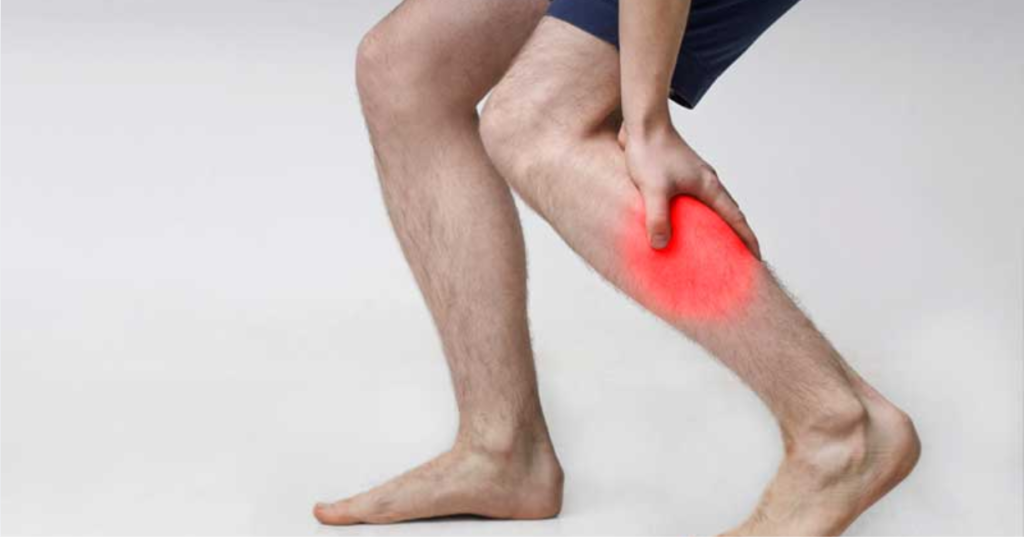
What Is Leg Pain?
Leg pain refers to any discomfort or aching sensation occurring in the lower limbs, including the thighs, calves, knees, and feet.
It can be:
- Acute (sudden onset)
- Chronic (long-term)
- Localized or widespread
Featured Snippet: What causes leg pain?
Leg pain can be caused by muscle strain, nerve compression, poor circulation, joint disorders, injury, or underlying vascular and neurological conditions.
Major Types of Leg Pain
1. Muscular Leg Pain
This is one of the most common types.
Causes
- Overuse or exercise strain
- Muscle fatigue
- Dehydration or electrolyte imbalance
- Minor injuries
Symptoms
- Aching or soreness
- Cramping
- Tenderness when touching the muscle
Typical locations
- Calves
- Thighs
- Hamstrings
Featured Snippet: What is muscular leg pain?
Muscular leg pain is discomfort caused by overuse, strain, or injury to muscles, often presenting as soreness, cramping, or fatigue in the thighs or calves.
2. Neuropathic pain in the legs
This type of pain originates from nerve damage or irritation.
Causes
- Sciatica
- Diabetes (diabetic neuropathy)
- Nerve compression
- Spinal disorders
Symptoms
- Burning sensation
- Tingling or “pins and needles”
- Sharp, shooting pain
- Numbness
Featured Snippet: What is nerve-related leg pain?
Nerve-related leg pain occurs when nerves are damaged or compressed, causing burning, tingling, or shooting pain along the affected nerve pathway.
3. Joint-Related Leg Pain
Often associated with inflammation or degeneration.
Causes
- Osteoarthritis
- Rheumatoid arthritis
- Injury to ligaments or cartilage
Symptoms
- Stiffness
- Swelling around joints
- Pain during movement
- Reduced range of motion
Common joints affected
- Knees
- Hips
- Ankles
4. Deep vein thrombosis (Vascular Leg Pain)
A serious condition caused by blood clot formation in deep veins.
Causes
- Prolonged immobility
- Surgery or trauma
- Blood clotting disorders
Symptoms
- Swelling in one leg
- Warmth and redness
- Deep, persistent pain
- Tenderness in calf
Featured Snippet: What is deep vein thrombosis leg pain?
Deep vein thrombosis causes leg pain due to a blood clot in deep veins, often presenting with swelling, warmth, redness, and persistent pain in one leg.
5. Circulatory (Ischemic) Leg Pain
Caused by reduced blood flow to muscles.
Causes
- Peripheral artery disease
- Atherosclerosis
Symptoms
- Pain during walking (claudication)
- Cold feet or legs
- Slow wound healing
6. Cramping Leg Pain
Often sudden and involuntary.
Causes
- Dehydration
- Electrolyte imbalance (potassium, magnesium)
- Muscle fatigue
Symptoms
- Sudden tight muscle contraction
- Short-lasting but intense pain
Featured Snippet: What causes leg cramps?
Leg cramps are caused by dehydration, mineral imbalances, muscle fatigue, or prolonged physical activity.
Red Flag Symptoms of Leg Pain
Seek medical attention if you experience:
- Sudden severe swelling
- One-sided leg pain with redness
- Difficulty walking
- Persistent numbness
- Pain with shortness of breath
Why these are important
These may indicate serious conditions like blood clots or nerve compression.
Diagnostic Approach to Leg Pain
1. Clinical evaluation
Doctors assess:
- Pain location
- Duration
- Trigger factors
2. Imaging tests
- X-ray (bone issues)
- MRI (nerve or soft tissue)
- Ultrasound (vascular assessment)
3. Blood tests
- Inflammation markers
- Electrolytes
- Glucose levels
Management of Leg Pain
Treatment depends on the underlying cause.
1. Rest and activity modification
Helpful for muscle strain and overuse injuries.
2. Medication
- Pain relievers
- Anti-inflammatory drugs
- Neuropathic pain medications
3. Physical therapy
Improves:
- Strength
- Flexibility
- Joint stability
4. Hydration and nutrition
Important for preventing cramps and supporting muscle function.
5. Treatment of underlying disease
- Diabetes control
- Vascular disease management
- Arthritis treatment
Featured Snippet: How is leg pain treated?
Leg pain is treated based on its cause and may include rest, medications, physical therapy, hydration, and management of underlying conditions.
Prevention Strategies
1. Regular exercise
Improves circulation and muscle strength.
2. Proper hydration
Helps prevent cramps.
3. Ergonomic posture
Reduces nerve and joint strain.
4. Managing chronic diseases
Controls conditions like diabetes and vascular disease.
Internal Linking Opportunities
This topic connects well with:
- Circulatory system disorders
- Neuropathy and nerve health
- Musculoskeletal injuries
- Blood clotting disorders
- Electrolyte imbalance and dehydration
Conclusion
Leg pain is a broad symptom with many possible causes, ranging from simple muscle strain to serious vascular or neurological conditions. Identifying the type, location, and pattern of pain is essential for accurate diagnosis and effective management.
Early recognition of warning signs—such as swelling, one-sided pain, or neurological symptoms—can help prevent complications and ensure timely medical care.
Important Disclaimer: This article is for educational purposes only and should not replace professional medical advice. Persistent, severe, or unexplained leg pain should be evaluated by a healthcare professional.