Meta Description: Understand Hashimoto’s disease, an autoimmune thyroid disorder, including its causes, symptoms, diagnosis, and how it leads to hypothyroidism and metabolic changes.
Hashimoto thyroiditis is a chronic autoimmune condition in which the immune system mistakenly attacks the thyroid gland, gradually reducing its ability to produce thyroid hormones.
It is one of the most common causes of hypothyroidism worldwide and often develops slowly over years before symptoms become noticeable.
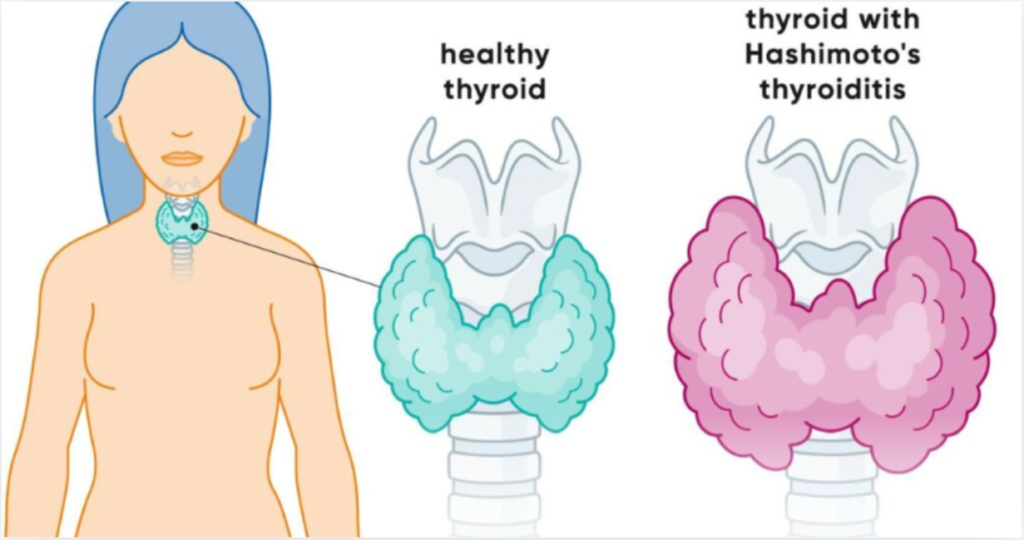
What Is Hashimoto’s Disease?
Hashimoto’s disease is an autoimmune inflammation of the thyroid that leads to progressive thyroid gland destruction and reduced hormone production.
Role of the thyroid gland
The thyroid regulates:
- Metabolism
- Body temperature
- Heart rate
- Energy production
Featured Snippet: What is Hashimoto’s disease?
Hashimoto’s disease is an autoimmune condition where the immune system attacks the thyroid gland, leading to decreased hormone production and hypothyroidism.
Causes of Hashimoto’s Disease
1. Autoimmune dysfunction
The immune system produces antibodies that target thyroid tissue.
Common antibodies involved
- Anti-thyroid peroxidase (anti-TPO)
- Anti-thyroglobulin antibodies
2. Genetic predisposition
Family history increases risk significantly.
3. Hormonal factors
More common in women, especially during:
- Pregnancy
- Postpartum period
- Menopause
4. Environmental triggers
Possible triggers include:
- Viral infections
- Excess iodine intake
- Chronic stress
5. Other autoimmune diseases
Often associated with conditions like:
- Type 1 diabetes
- Celiac disease
- Rheumatoid arthritis
Featured Snippet: What causes Hashimoto’s disease?
Hashimoto’s disease is caused by autoimmune dysfunction, genetic factors, hormonal changes, environmental triggers, and association with other autoimmune diseases.
How Hashimoto’s Affects the Thyroid
Step 1: Immune attack
Immune cells infiltrate thyroid tissue.
Step 2: Chronic inflammation
The gland becomes progressively inflamed.
Step 3: Tissue destruction
Healthy thyroid cells are damaged over time.
Step 4: Hormone decline
Reduced production of T3 and T4 hormones leads to hypothyroidism.
Result
Development of Hypothyroidism
Featured Snippet: How does Hashimoto’s disease affect the thyroid?
Hashimoto’s disease gradually damages the thyroid gland through autoimmune inflammation, leading to reduced thyroid hormone production and hypothyroidism.
Common Symptoms of Hashimoto’s Disease
Symptoms often develop slowly.
1. Fatigue and low energy
- Persistent tiredness
- Reduced stamina
2. Weight gain
Due to slowed metabolism.
3. Cold intolerance
Feeling unusually cold.
4. Dry skin and hair changes
- Dry skin
- Hair thinning or hair loss
5. Depression and brain fog
- Difficulty concentrating
- Memory issues
6. Neck swelling (goiter)
Enlargement of the thyroid gland.
Featured Snippet: What are symptoms of Hashimoto’s disease?
Symptoms include fatigue, weight gain, cold intolerance, dry skin, hair loss, depression, and possible thyroid enlargement (goiter).
Diagnosis of Hashimoto’s Disease
1. Blood tests
- TSH (thyroid-stimulating hormone)
- T3 and T4 levels
- Anti-TPO antibodies
2. Physical examination
- Thyroid enlargement
- Neck tenderness (sometimes)
3. Imaging
- Thyroid ultrasound may show inflammation or structural changes
Featured Snippet: How is Hashimoto’s disease diagnosed?
Hashimoto’s disease is diagnosed using blood tests for thyroid hormones and antibodies, along with physical examination and sometimes ultrasound imaging.
Complications of Untreated Hashimoto’s Disease
1. Severe hypothyroidism
May lead to metabolic slowdown.
2. Goiter enlargement
Progressive thyroid swelling.
3. Cardiovascular effects
- Elevated cholesterol
- Increased heart disease risk
4. Mental health effects
- Depression
- Cognitive slowing
5. Myxedema (rare severe form)
Life-threatening hypothyroid state.
Featured Snippet: What happens if Hashimoto’s disease is untreated?
Untreated Hashimoto’s disease can lead to severe hypothyroidism, goiter, high cholesterol, heart problems, and cognitive impairment.
Treatment and Management
There is no cure for autoimmune activity, but thyroid function can be managed effectively.
1. Thyroid hormone replacement
Main treatment is levothyroxine to restore hormone levels.
2. Regular monitoring
- TSH level adjustments
- Symptom tracking
3. Nutritional support
May include:
- Selenium
- Iodine balance (not excess)
- Vitamin D
4. Lifestyle management
- Stress reduction
- Balanced diet
- Regular physical activity
Featured Snippet: How is Hashimoto’s disease treated?
Hashimoto’s disease is treated mainly with thyroid hormone replacement therapy, along with regular monitoring and supportive lifestyle and nutritional care.
Hashimoto’s vs General Hypothyroidism
Hashimoto’s disease
- Autoimmune cause
- Chronic inflammation
- Gradual thyroid destruction
Other hypothyroidism causes
- Iodine deficiency
- Thyroid surgery
- Medication side effects
Internal Linking Opportunities
This topic connects well with:
- Thyroid hormone regulation
- Autoimmune diseases
- Metabolism and weight changes
- Endocrine system disorders
- Fatigue and metabolic slowdown
Conclusion
Hashimoto’s disease is a chronic autoimmune condition that gradually impairs thyroid function, leading to hypothyroidism and widespread metabolic effects. Although it develops slowly, early detection through antibody testing and thyroid function monitoring can significantly improve long-term outcomes.
With appropriate hormone replacement and lifestyle support, most individuals can manage symptoms effectively and maintain a good quality of life.
Important Disclaimer: This article is for educational purposes only and should not replace professional medical advice. If you suspect thyroid dysfunction or autoimmune symptoms, consult a qualified healthcare provider.