Meta Description: Learn what HbA1c means, how it reflects long-term blood sugar control, and why it is a key test for diagnosing and managing diabetes.
Managing blood sugar is not just about daily readings. One of the most important tools in diabetes care is HbA1c, a blood test that shows how well blood glucose has been controlled over the past 2–3 months.
Unlike a single glucose reading, HbA1c provides a broader picture of long-term metabolic health, helping clinicians assess risk and adjust treatment plans more effectively.
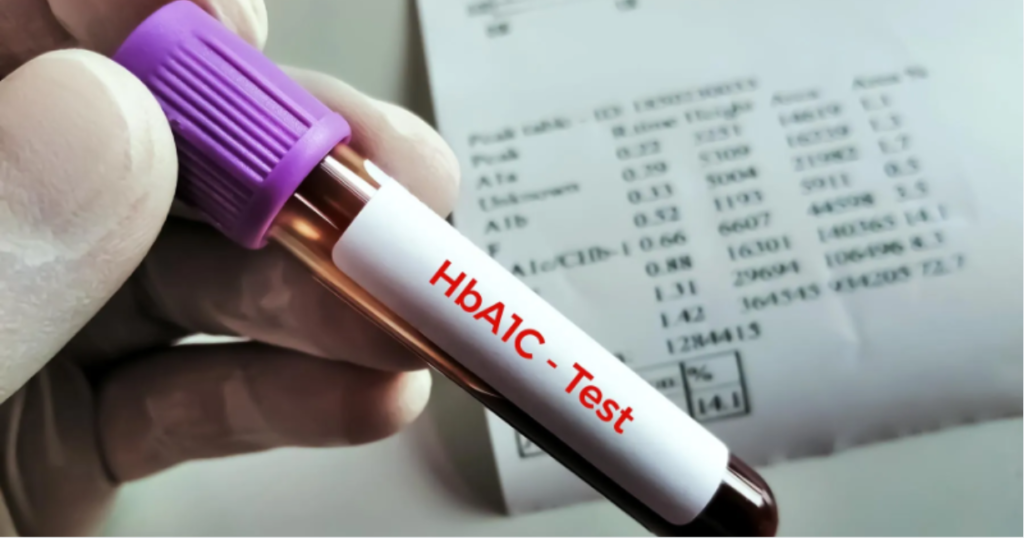
Featured Snippet: What does HbA1c measure?
HbA1c measures the percentage of hemoglobin in the blood that is coated with glucose, reflecting average blood sugar levels over the previous 8 to 12 weeks.
What Is HbA1c?
Hemoglobin A1c (HbA1c) forms when glucose attaches to Hemoglobin.
The higher the blood sugar levels, the more glucose binds to hemoglobin.
Because red blood cells live for about 3 months, HbA1c reflects long-term glucose control.
Why HbA1c Matters
HbA1c is widely used because it:
- Reflects long-term blood sugar trends
- Does not require fasting
- Helps assess diabetes risk and control
- Guides treatment adjustments
Normal, Prediabetes, and Diabetes Ranges
HbA1c interpretation
- Normal: Below 5.7%
- Prediabetes: 5.7% – 6.4%
- Diabetes: 6.5% or higher
Related condition
Prediabetes
HbA1c in Diabetes Management
For people with diabetes, HbA1c helps:
- Monitor long-term glucose control
- Evaluate treatment effectiveness
- Reduce risk of complications
Related disease
Diabetes mellitus
What Affects HbA1c Levels?
1. Blood glucose control
Higher average glucose leads to higher HbA1c.
2. Diet and lifestyle
- High sugar intake
- Sedentary lifestyle
- Weight changes
3. Medical conditions
Some conditions may affect red blood cells and alter results.
Related condition
Anemia
4. Medications
Certain treatments may influence glucose metabolism or red blood cell lifespan.
HbA1c vs Daily Blood Glucose
Daily glucose testing
- Shows real-time blood sugar levels
- Influenced by meals, stress, and activity
HbA1c testing
- Reflects long-term average
- Not affected by short-term fluctuations
Featured Snippet: Why is HbA1c more useful than daily glucose readings?
HbA1c provides a long-term overview of blood sugar control over 2–3 months, making it more reliable for assessing overall diabetes management than single daily measurements.
Why HbA1c Is Important for Complications
High HbA1c levels over time increase the risk of:
- Heart disease
- Kidney damage
- Nerve damage
- Eye complications
Related condition
Diabetic neuropathy
Who Should Get HbA1c Tested?
Recommended for:
- People with diabetes
- Individuals at risk of diabetes
- Those with metabolic syndrome
- Pregnant individuals (in specific cases)
Related condition
Metabolic syndrome
How Often Should HbA1c Be Checked?
- Every 3–6 months for people with diabetes
- Once or twice a year for those at risk
- As recommended by healthcare providers
How to Improve HbA1c Levels
1. Balanced nutrition
Focus on:
- Whole grains
- Fiber-rich foods
- Lean proteins
- Healthy fats
2. Regular physical activity
Exercise improves insulin sensitivity.
3. Weight management
Even modest weight loss can improve HbA1c levels.
4. Medication adherence
For those prescribed treatment, consistency is key.
Common Misconceptions
Myth: HbA1c changes daily
HbA1c reflects long-term trends, not daily fluctuations.
Myth: A normal HbA1c means perfect health
Other metabolic or cardiovascular risks may still exist.
Myth: Only diabetics need HbA1c testing
It can also help identify prediabetes and risk levels.
Internal Linking Opportunities
This topic connects well with:
- Diabetes management
- Prediabetes prevention
- Blood glucose monitoring
- Metabolic health
- Cardiovascular risk factors
Conclusion
HbA1c is a powerful marker that provides insight into long-term blood sugar control, making it essential for diagnosing and managing diabetes. Unlike daily glucose tests, it reflects average levels over several months and helps guide effective treatment strategies.
Understanding HbA1c empowers individuals to take a more informed and proactive approach to metabolic health and diabetes prevention.
Important Disclaimer: This article is for educational purposes only and should not replace professional medical advice. Individuals should consult a healthcare professional for interpretation of HbA1c results and personalized care.